Article
Preparing the article…
If a translation is needed, this may take a few seconds.
If a translation is needed, this may take a few seconds.
Ramadan begins this Tuesday, April 13 in Nigeria and as every year, religious authorities are calling on wholesalers not to raise food prices disproportionately. The month of Ramadan often corresponds to a sharp rise in food prices, while Africa's most populous country is already facing 17% inflation on food products.
With our correspondent in Lagos, Liza Fabbian
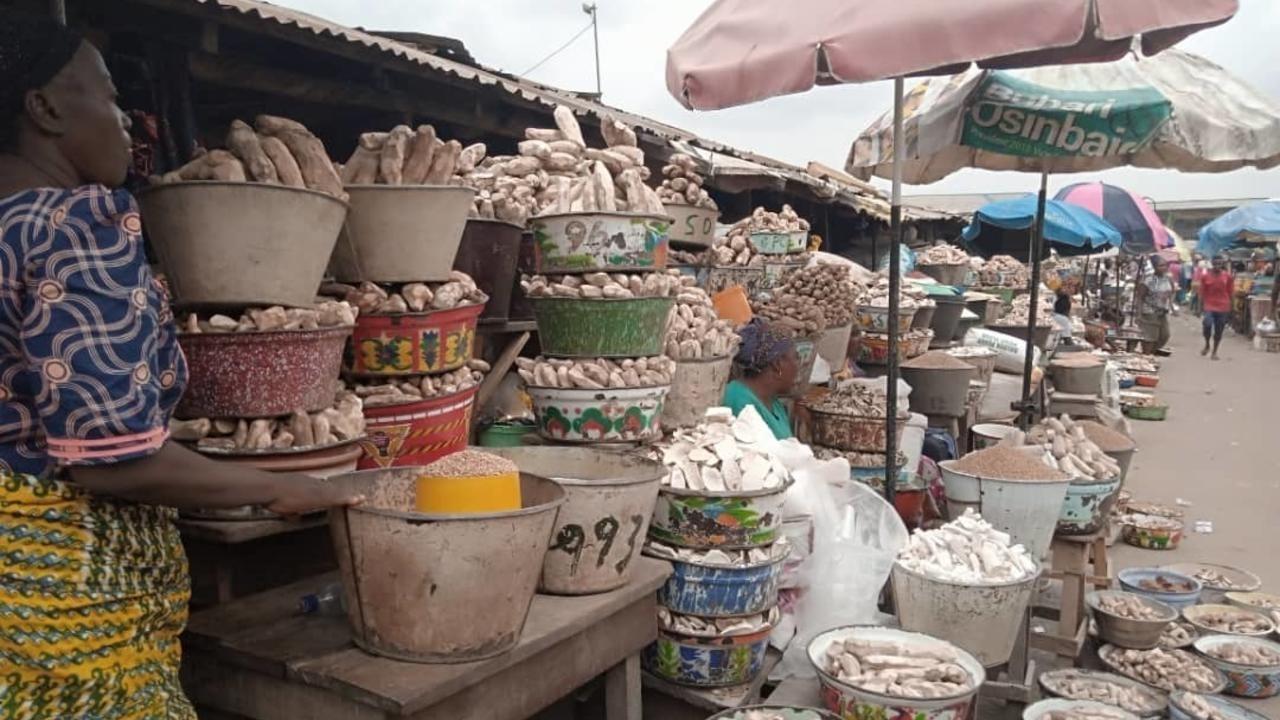
After a year marked by recession and economic and health crisis, many Nigerians have become impoverished. Jamila, a Muslim woman who came from Togo, notes that lately the prices of corn or beans have more than doubled on the market. "We went to the market to buy, but it was pointless, we didn't buy anything, we went back home. Prices have gone up, we can see the beans whose price has increased a lot."
Every year, traders take advantage of Ramadan to inflate the prices of basic foodstuffs. A difficult situation as Nigeria faces unprecedented inflation: according to the National Bureau of Statistics, food prices have never been higher in 12 years.
The high demand during the Muslim month stokes the greed of vendors according to Ola: "Many wealthy people want to perform acts of charity for the poor. So instead of buying just one bag of rice, they will buy 200. So prices go up. For us small buyers, a bag of rice costs double during this period."
Nigerian religious authorities have issued a call to traders to maintain reasonable prices during the Ramadan period.
► Also read: Uganda: imams organizing for Ramadan without large gatherings
Our editors' picks of what matters. Monday to Friday.
By subscribing, you accept our privacy policy.