Article
Preparing the article…
If a translation is needed, this may take a few seconds.
If a translation is needed, this may take a few seconds.
In Libya, the release on Wednesday, March 31, of more than one hundred prisoners held since the beginning of Marshal Khalifa Haftar's aborted offensive to seize the capital in 2019 has been welcomed locally and by the United Nations. It was at the initiative of a local dialogue group that these prisoners of…
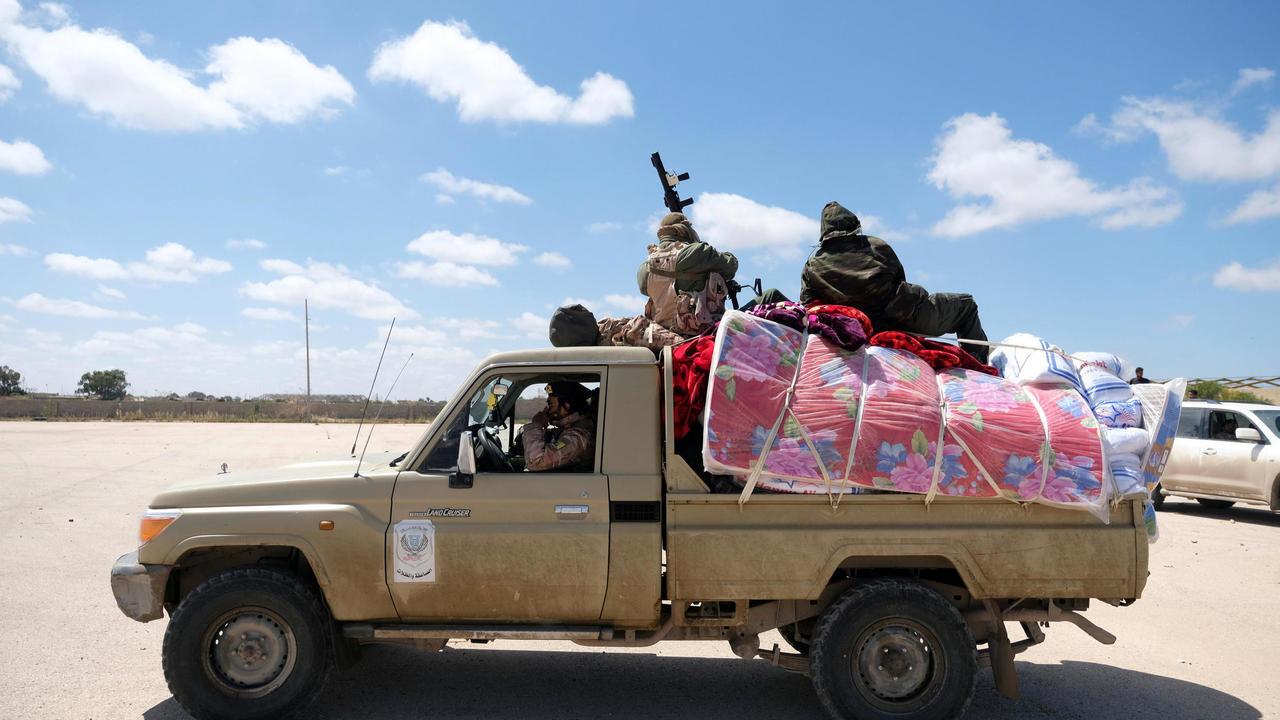
It was at the initiative of a local dialogue group that these prisoners of war were released on Wednesday, March 31. All dressed in white in traditional Libyan clothing. They were welcomed by the "youyous" of their families. The ceremony, which took place in the city of Zawiya located 70 km from Tripoli, in western Libya, was surrounded by significant security measures. The gesture is considered a first step toward hoped-for national reconciliation. Calls have been made to release all prisoners.
The released prisoners are all very young, inexperienced men. Drawn into the war, they belonged to the 107th brigade of the Libyan national army led by Khalifa Haftar while they all come from western Libya. Primarily from two cities: Sabrata and Sorman.
In his speech, the head of the Presidential Council, Mohamed al-Manfi, called to "move forward to rebuild the country". National reconciliation is his top priority for the presidential council. It is the "cornerstone for building a civil and unified state", he stated. His vice-president, Moussa al-Koni, urged other cities to follow Zawiya's example in releasing prisoners from the past two years.
According to the political agreement signed in Geneva last fall, all prisoners of war should be released. In January 2021, the two rival camps had carried out a first prisoner exchange in accordance with the ceasefire agreement.
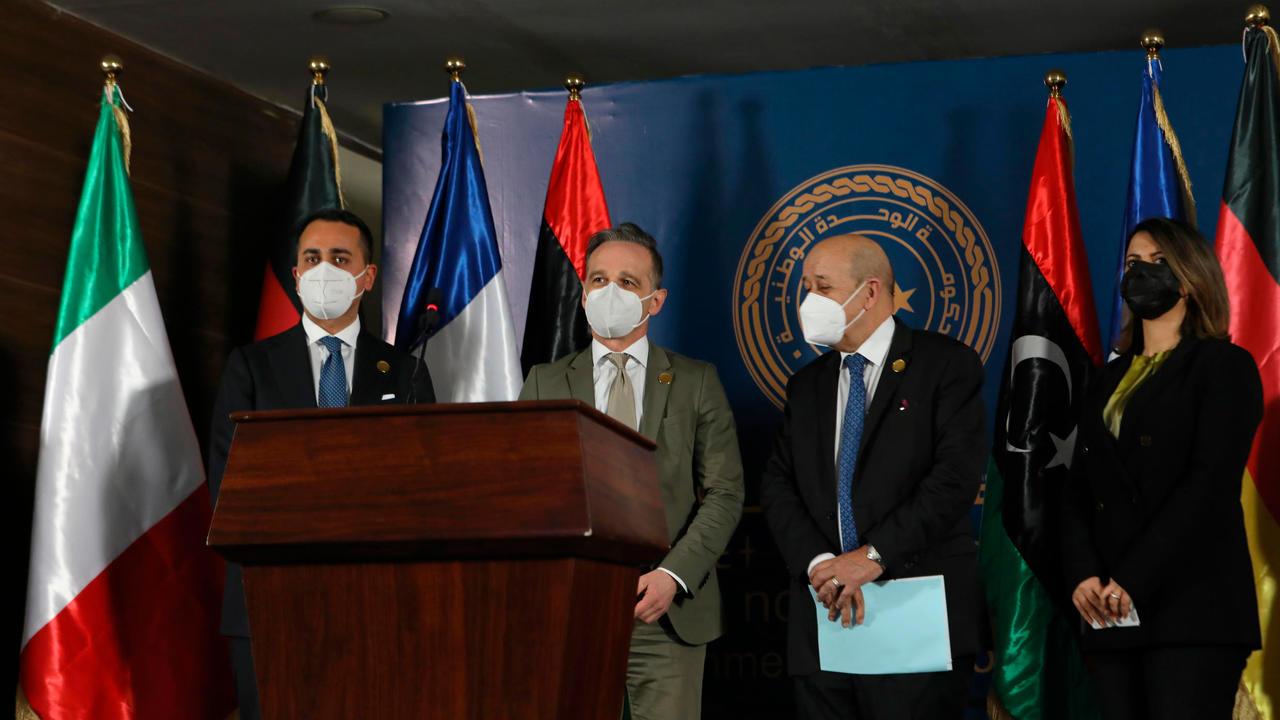
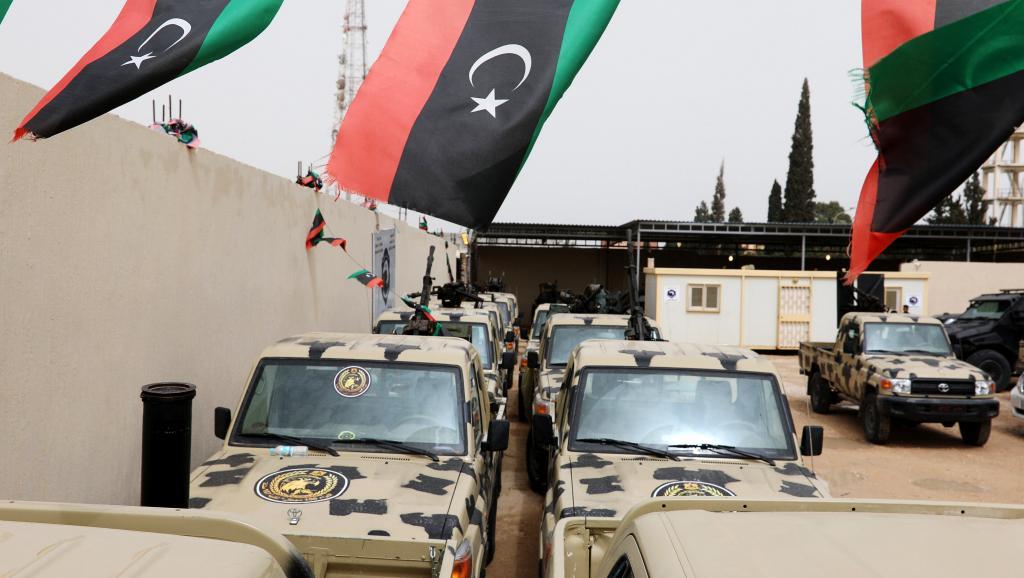
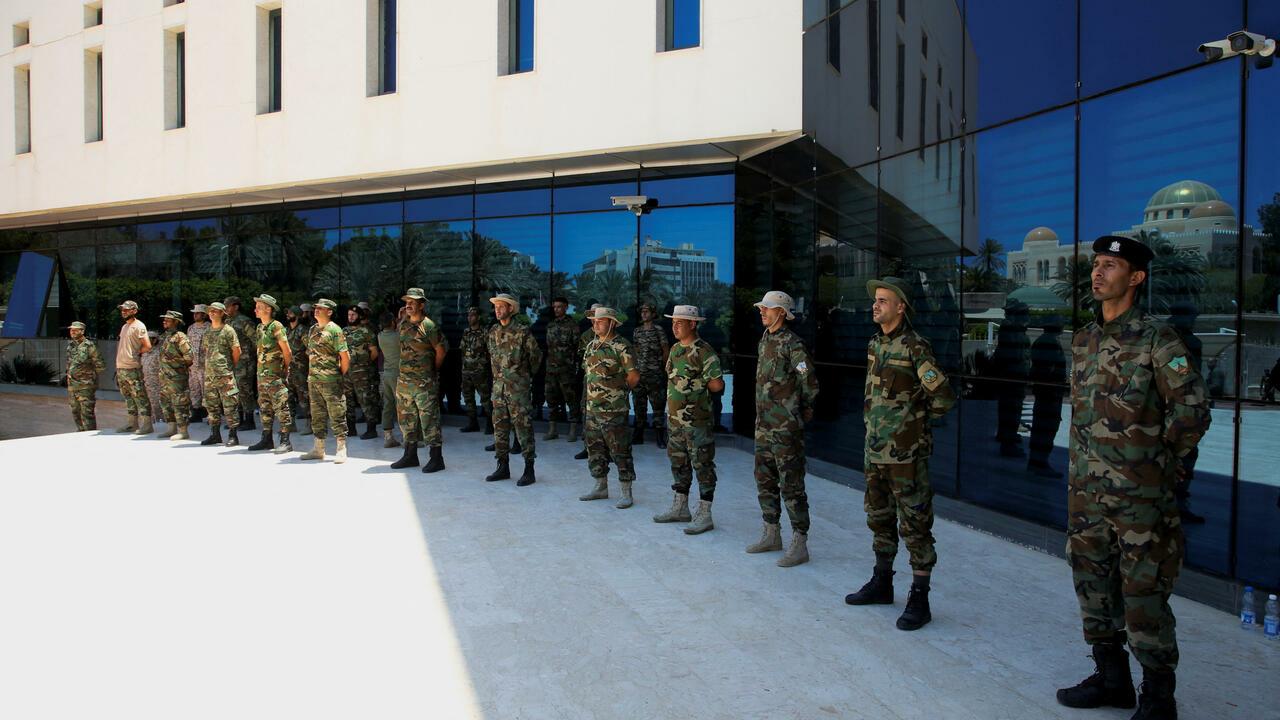
Following the reopening of the French embassy on Monday in Tripoli, a meeting took place on Thursday, April 1 at the Boucetta military base in Tripoli between French military attaché Lieutenant Colonel Thomas Billard and Libyan General Mohamed al-Haddad. Military coordination between the two countries was discussed. There was also discussion of resuming an agreement signed in the past between the two parties to train Libyan military personnel.
► Also to read: Libya: despite a joint executive, Benghazi still plagued by insecurity
Our editors' picks of what matters. Monday to Friday.
By subscribing, you accept our privacy policy.