Article
Preparing the article…
If a translation is needed, this may take a few seconds.
If a translation is needed, this may take a few seconds.
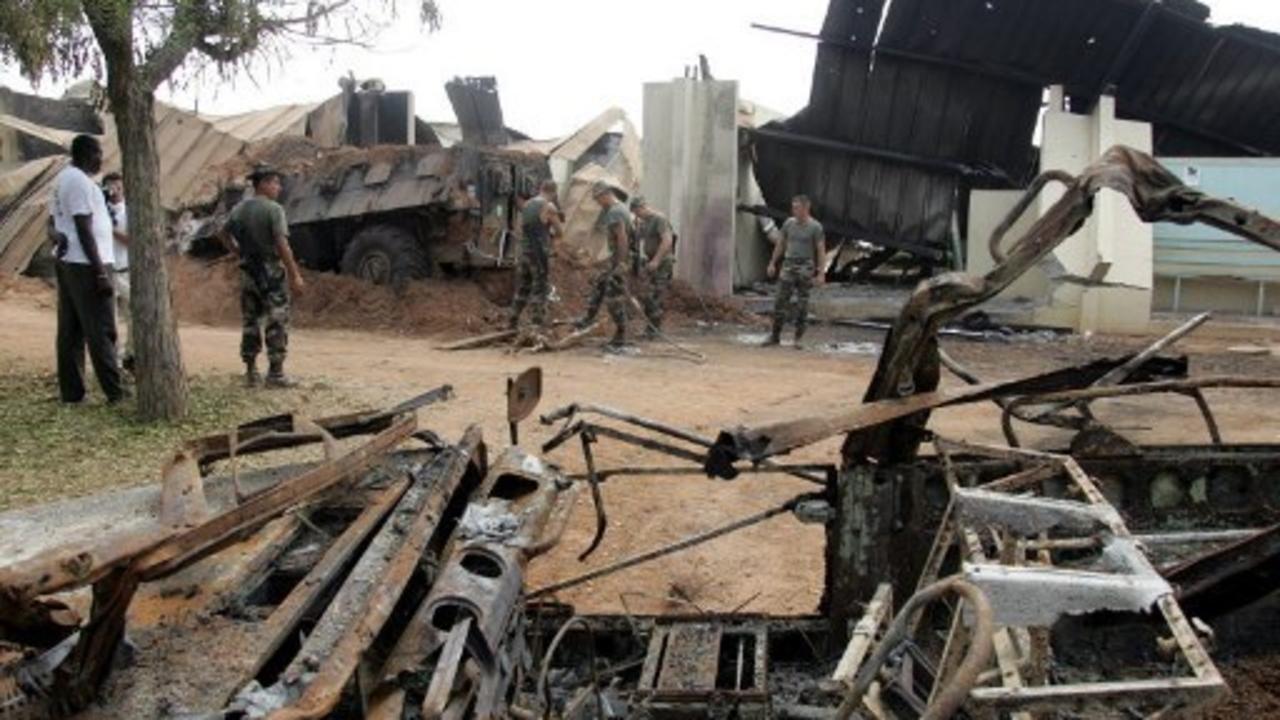
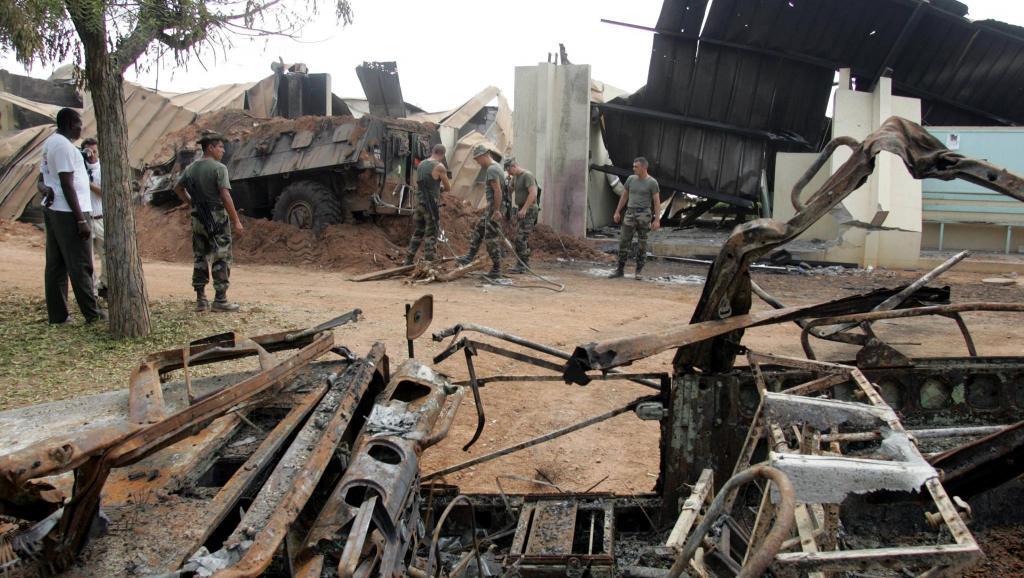
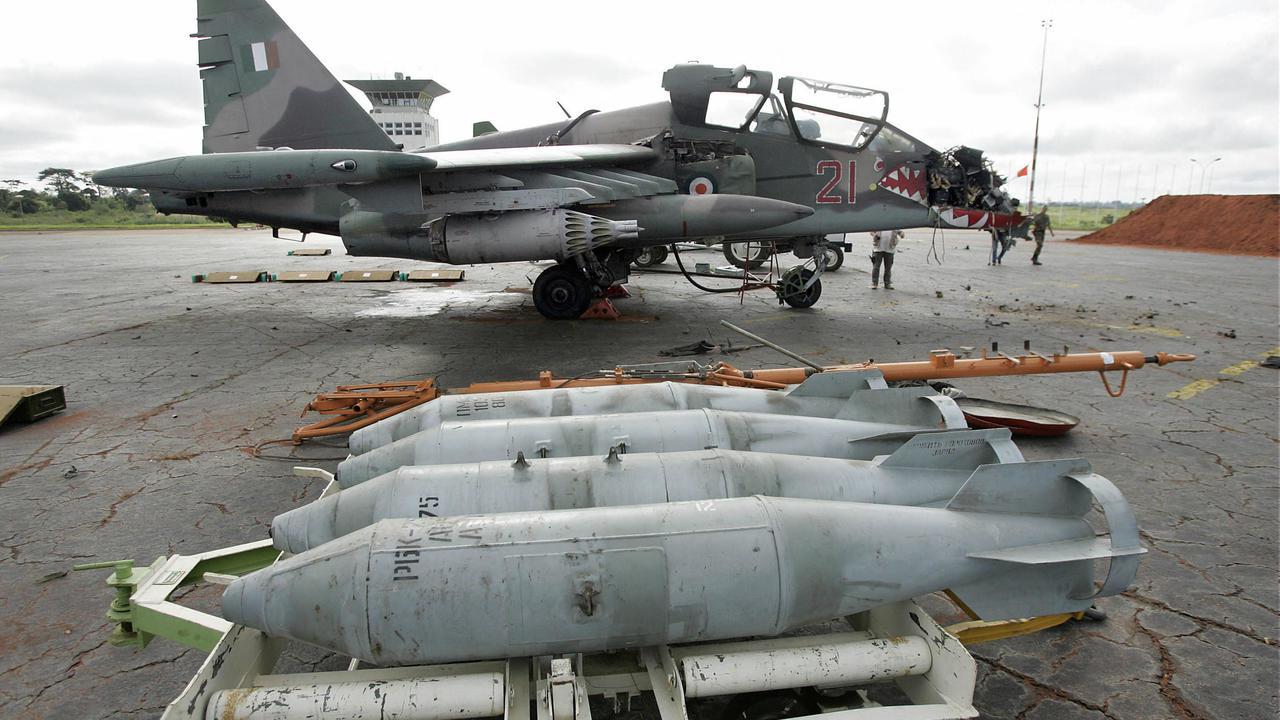
First hearing Monday, March 29 in Paris in the trial of the Bouaké bombing. On November 6, 2004, two aircraft from the Ivorian military targeted a French base in this Côte d'Ivoire city, killing 10 and wounding 38. The aircraft were piloted by Belarusian mercenaries and assisted by Ivorian copilots. This day was devoted to calling witnesses, recalling the facts, and the first hearings.
With our special correspondents at the Paris Palace of Justice, Pierre Firtion and Laura Martel
Gérard Moricard, former commander of the Bouaké provost brigade, tries to "gather his memories despite the passage of time" as the judge instructs him. In a nutshell, he paints the context: the tension linked to the offensive of loyalist forces; water, electricity and telephone cut off. He is in another French position, 2 or 3 km away from the Descartes high school, when it is bombed. Yet he will have to wait more than 3 hours to get there. The crowd has gathered around the area, but above all, he receives the order to "wait until the airspace is secured".
On the ground, "it was total chaos, the soldiers were in shock". The former commander admits: he felt "very alone [...] without any directive", because for 4 days, all communication is denied to him. "The only satellite phone was the colonel's" he points out, cryptically.
For the investigator, there is no doubt: "a target error quickly seemed totally impossible, the pilots knew they were striking French forces." On the other hand, the former commander finds it "curious" that "nothing was attempted to stop the Belarusian pilots" upon their return to Yamoussoukro airport, which he visits 4 days later.
"I heard the resentment of soldiers who said there would have been a way to arrest them. They had taken refuge in a building at the airport. It would have been easy, but the orders must not have been given in that direction. But to hand them over to whom?" he asks himself. Before conceding, "it was complicated, the situation was very tense".
►Also read: Trial of the Bouaké bombing in Côte d'Ivoire: expectations of civil parties
For his part, Nicolas Bouron was present during the bombing. With quivering voice, he tells from the stand about his day of November 6. The French camp that goes on alert at the takeoff of the 2 Sukhoi, the unexpected bombing, his body propelled forward by the impact of the rockets and his attempt to help one of his companions. For him too, there is no doubt, the act was completely deliberate.
What does he expect from this trial? The conviction of the accused. "But what would have interested me more", adds this former soldier who has kept sequelae from the bombing, "is that the ministers take responsibility". However, it is not yet certain that the political leaders of the time will come to testify.
This afternoon, having had the lighting from the judicial part – the investigation conducted by the Ministry of the Interior – brought us facts that we did not know. Well, me anyway. I expect to see if other answers are provided to my questions in the days to come.
Ms. Delon, mother of a soldier missing in Bouaké, on the hearing: "It was extremely difficult"
Jean-Pierre Raffarin, then Prime Minister, and Dominique de Villepin, former Interior Minister, have not yet confirmed their attendance. Michèle Alliot-Marie, the former Defense Minister, made it known that she did not wish to testify. But the court intends to press her. Because for the advocate general, her presence at this trial is "absolutely essential".
Michèle #AlliotMarie #MAM she does not wish to come testify. A refusal denounced by lawyers for the civil parties. "It seems to me absolutely essential that she be able to testify before the court" rules the advocate general. Consequence: the judge announces he will press her. #Trial #Bouake
— Pierre Firtion (@pedrofirtion) March 29, 2021
Only Michel Barnier, at the time Foreign Affairs Minister, has confirmed to the court his attendance. Another important political figure has assured that he will be there: this is Michel de Bonnecorse, at the time head of the Africa cell at the Élysée.
Our editors' picks of what matters. Monday to Friday.
By subscribing, you accept our privacy policy.