Article
Preparing the article…
If a translation is needed, this may take a few seconds.
If a translation is needed, this may take a few seconds.
Mango exports fell by nearly 30% last year following the cancellation of many contracts due to the pandemic. Within two to three weeks, sector players will know if order books are full for 2021. The new campaign for the most sought-after variety, Kent, begins in April.
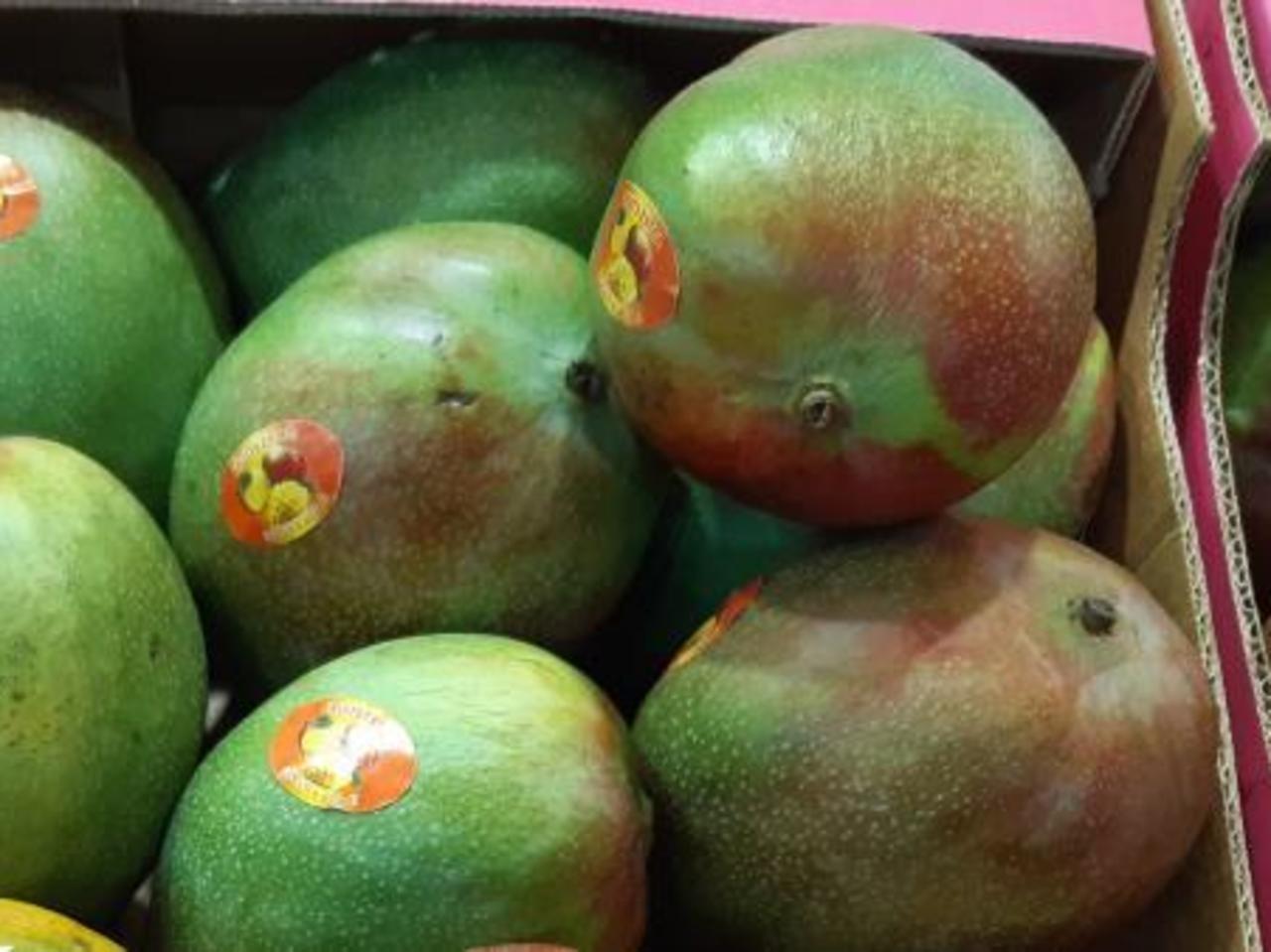
The head of Inter-mangue hopes to have a less stressful year than 2020, a year marked by a collapse in orders and a cascade of contract cancellations.
The third supplier to the European market after Peru and Brazil, Côte d'Ivoire exported 26,000 tonnes of mangoes last year, nearly 30% less than in 2019. The indirect loss goes even further if one takes into account the good year that was shaping up, adds Pascal Nembelessini-Silué. Thanks to the fight against fruit flies, 2020 was indeed a promising year with fruit that rotted more slowly and could therefore better withstand long sea voyages.
But the treatments carried out did have their benefits. Everything that was not exported was able to be partly sold on the local market, explains the head of Inter-mangue: treated products kept better, and sales were able to continue until July instead of stopping in May. The prices paid by European importers were fortunately generally above those of 2019, which compensated for the drop in exports, explains a sector expert.
For 2021, no guarantees yet, the mango market remains cautious. Small and medium-sized importers are delaying their orders as much as possible. Some have placed an intention to purchase without confirming, but the campaign that begins in early April will push buyers to take a position. "The coming two weeks will be decisive", estimates the head of the interprofessional organization. By the end of March, the tone will be set for the year.
Short-term challenges remain unchanged. The sector must bank on mango processing to absorb losses, processing that remains too rare in the country compared to what is being done in neighboring Mali and Burkina Faso.
Another objective, finding new markets. The prospecting missions that some had launched last year towards the Middle East were frozen. They will resume as soon as the pandemic permits. Knowing that the main handicap of the Ivorian sector remains yield, aging and small orchards produce only 5 to 6 tonnes per hectare compared to 10 or 20 from competitors.
Our editors' picks of what matters. Monday to Friday.
By subscribing, you accept our privacy policy.