Article
Preparing the article…
If a translation is needed, this may take a few seconds.
If a translation is needed, this may take a few seconds.
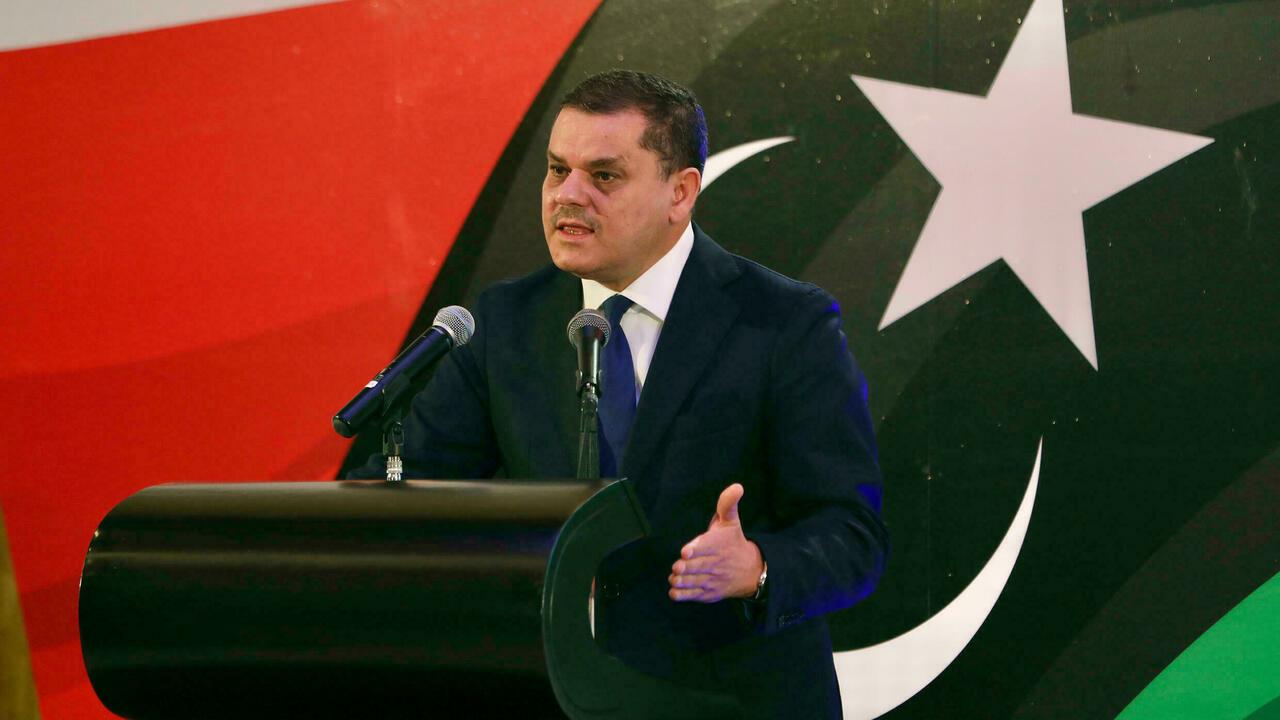
Libyan Prime Minister Abdel Hamid Dbeibah, designated on February 5 by the Libyan Dialogue Forum to lead a new transition period, announced that he would name the members of his government before the expiration of the 21-day deadline. According to the Prime Minister's press office, this government…
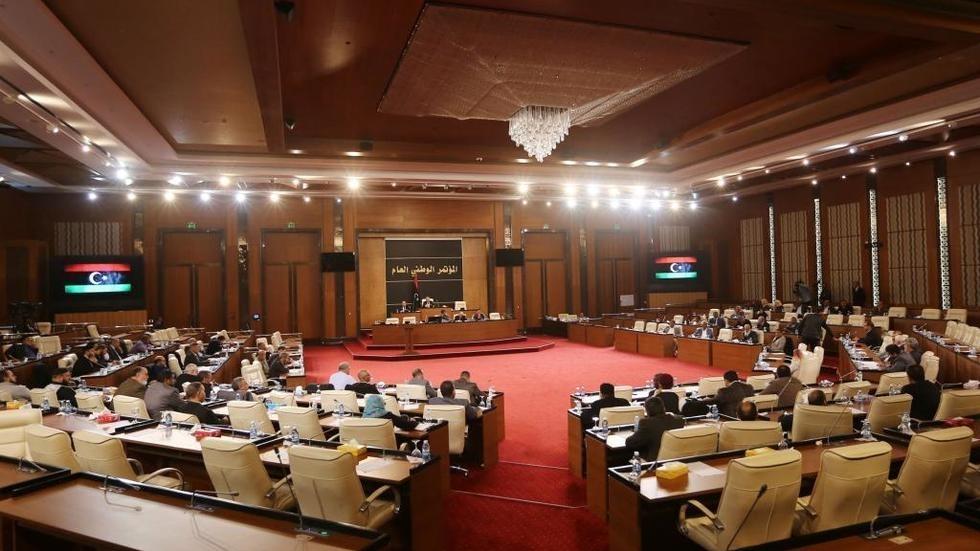
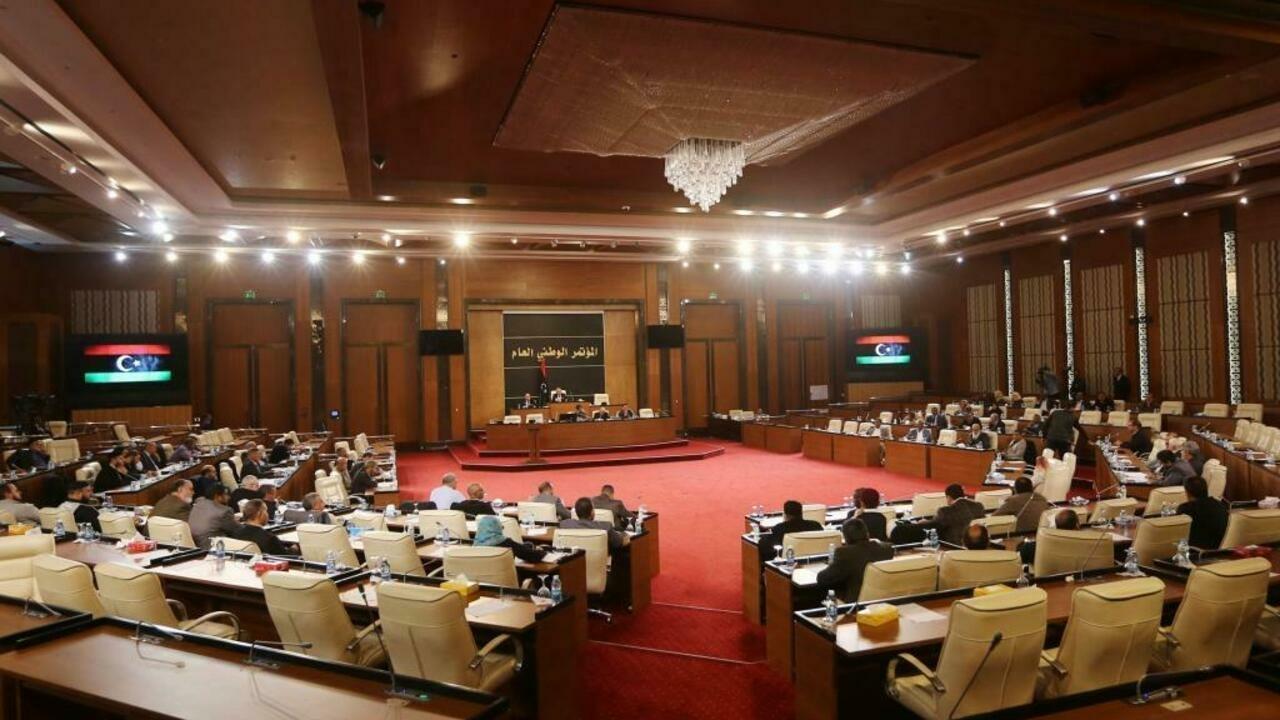
According to the Prime Minister's press office, this government of specialists "will represent all Libyans". However, the location where the government's investiture session should be held is creating controversy within Parliament. The individual charged with presiding over the session is also problematic, which further weakens an institution that is deeply divided.
Like the divided Parliament, two preparatory meetings to ratify the next government were held on Monday, February 15, in two separate locations: in Tobruk, the official seat of Parliament, and in Sabrata, for the first time.
After their split in 2019, it was in Tripoli that deputies from western Libya had been accustomed to meeting, but Sabrata was chosen this time to ensure the security of several deputies from the East.
The objective is to change the internal regulations of the Chamber of Deputies to be able to appoint a new president. 70 parliamentarians were present on Monday, February 15. They hope to obtain a quorum of 90 votes, essential for voting on these changes. A new session is scheduled for Tuesday, February 16.
According to the new regional balances, the head of Parliament must come from the South, explains Mohamad Raief, deputy from Misrata, because currently, the head of government represents the West and the head of the Presidential Council, the East.
Aguila Saleh also organized a parliamentary meeting on Monday, February 15, in Tobruk in eastern Libya. According to his spokesperson, it is in Sirte that the next assembly will be held, to which all deputies will be invited.
The head of Parliament reiterated his position, calling on all state institutions to settle in Sirte during the transition period, as he proposed in his peace initiative.
In Sabrata, everyone agrees that the head of government, Aguila Saleh, "is not seeking to bring deputies together". He "has always made unilateral decisions", assert several parliamentarians who refuse to go to Sirte, a city under the control of the forces of Marshal Haftar.
►Also read: Libya: the countdown to obtaining a government has begun
Our editors' picks of what matters. Monday to Friday.
By subscribing, you accept our privacy policy.