Article
Preparing the article…
If a translation is needed, this may take a few seconds.
If a translation is needed, this may take a few seconds.
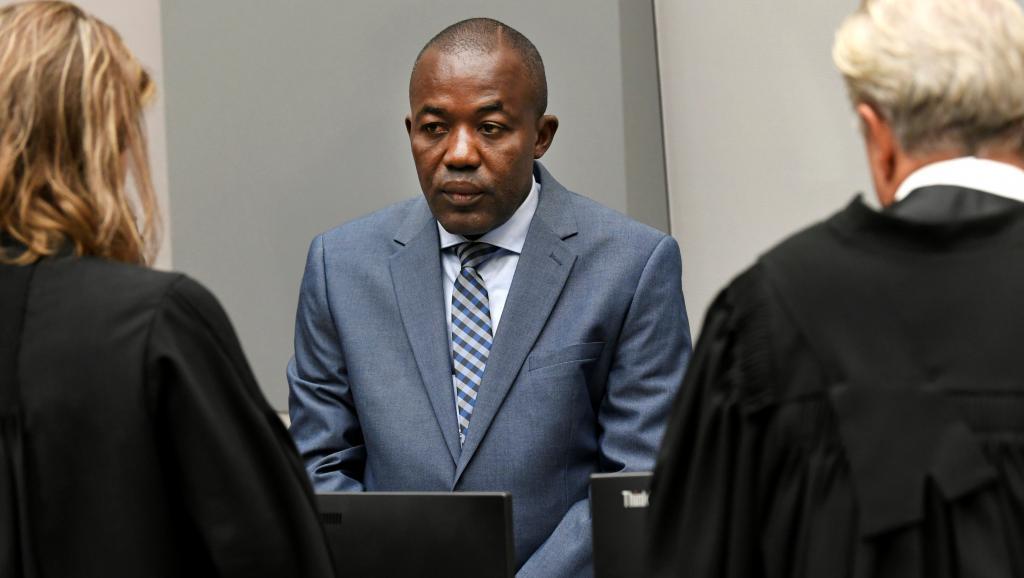
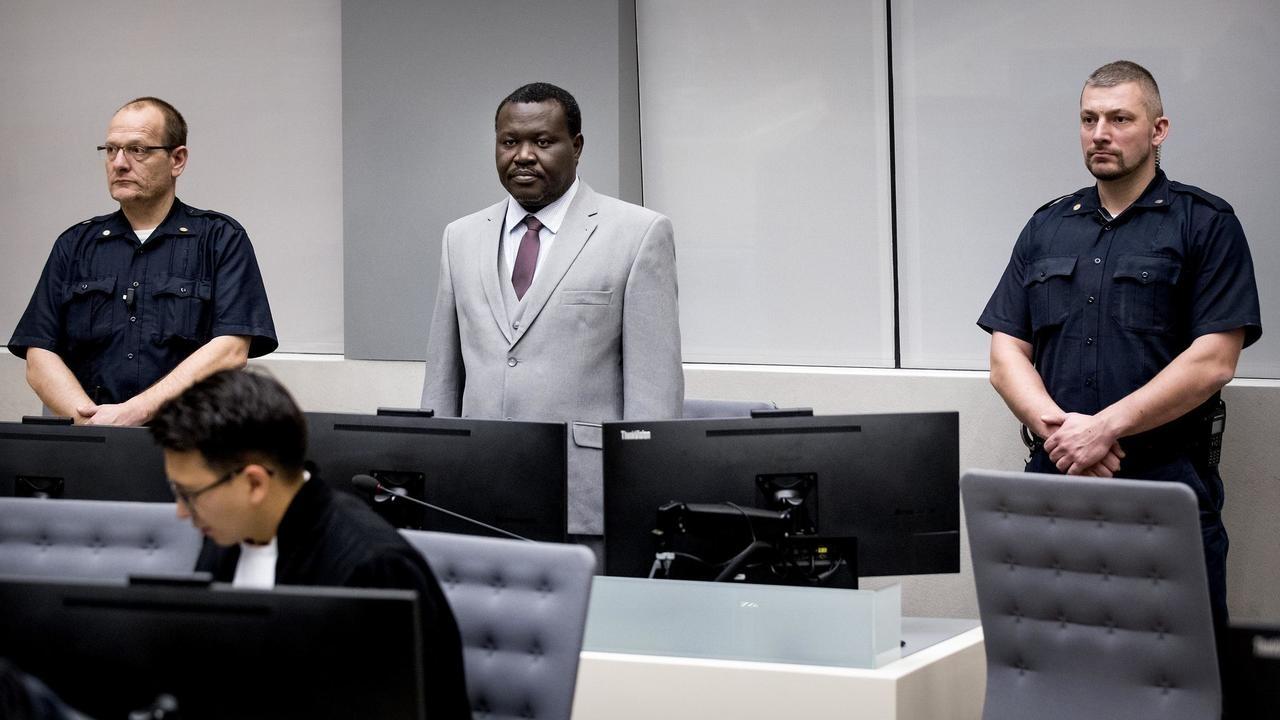
The trial of two Central African militiamen is set to open on February 16 before the International Criminal Court (ICC) in The Hague. Alfred Yekatom Rombhot and Patrice-Edouard Ngaïssona are both accused of crimes against humanity and war crimes committed during the third civil war in the Central African Republic, from December 2013…
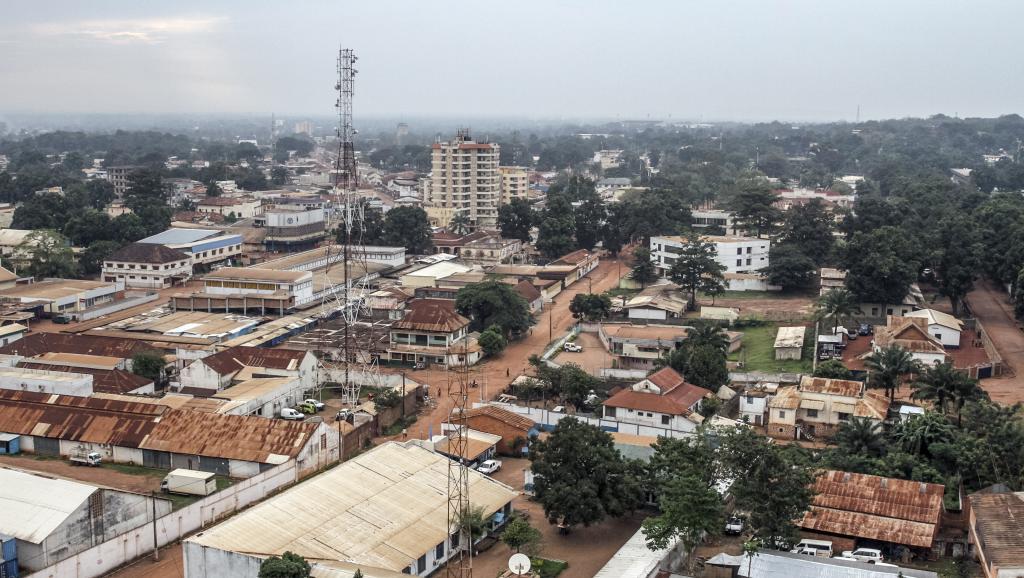
It all began "in the early hours of the morning of December 5, 2013," according to the charges brought against Patrice-Edouard Ngaïssona and Edouard Yekatom. That morning, "anti-balaka elements led by Yekatom attacked the Boeing market in Bangui, specifically targeting shops belonging to Muslims and killing between five and thirteen traders." For the prosecution, the capture of the Central African capital was "a crucial point for the implementation of the militia's strategic plan."
This strategic plan, Patrice-Edouard Ngaïssona allegedly developed with the close circle of François Bozizé during meetings organized in France and Cameroon notably. "Their objective was to take or retake power in the Central African Republic," reads the decision confirming charges against the two accused. In August 2012, the Seleka launched their first attacks aimed at overthrowing François Bozizé's power. In March 2013, the Central African general is overthrown. In exile, he prepares his return.
According to the charges, Patrice-Edouard Ngaïssona, a wealthy businessman, allegedly provided the financing, prepared the attacks, procured the ammunition, gave the orders. But for the prosecutor, the man who was also president of the Central African Football Federation in 2008, like his accomplices, "knew that by mobilizing and using" anti-balaka self-defense groups, "fueled by revenge and hatred of Muslims because of the atrocities committed by the Seleka", would violently target the Muslim civilian population. This is what Alfred Yekatom, co-accused, does, who according to the accusation, allegedly took the lead of 3,000 men, including 200 former soldiers and officers of the Central African Armed Forces (Faca). The militiamen conduct reprisals in a campaign targeting "the Muslim civilian population, according to the accusation, "on an ethnic or religious basis and perceived as complicit or close to the Seleka."
The list of crimes committed by the two accused is long: murder, forced transfers of population, deprivation of liberty, torture, persecution, cruel treatment, mutilation, attack on buildings devoted to religion, destruction of the adversary's property, recruitment of children under 15 years old. Patrice-Edouard Ngaïssona is also prosecuted for rape. The prosecutor also sought, too late, to add charges of rape and sexual slavery against Alfred Yekatom, but the judges opposed it.
The case did not in fact begin under the best auspices. In September 2019, judges rejected part of the charges proposed by the prosecutor against Patrice-Edouard Ngaïssona, for crimes committed in certain localities. For the magistrates, the anti-balaka elements "had a high degree of operational autonomy," and in certain localities, Mr. Ngaïssona had no control over their criminal actions. One of the difficulties of the case is that "no one has expertise on coordination between anti-balaka movements," according to a judicial source, who specifies that "the only time they were coordinated was when they took Bangui" in December 2013.
Patrice-Edouard Ngaïssona then becomes minister of youth and sports. He is arrested in January 2019, during a trip to France. Elected deputy in 2016, six months after being hit with sanctions by the United Nations, Alfred Yekatom was arrested red-handed at the end of October 2018, within Parliament itself, after firing two shots. "He was long considered too small a fish to be interesting," notes this same source, "but his arrest was an opportunity" for the Court. During the first hearings of the trial, scheduled for February 16 to 18, the prosecutor will present the evidence on which he intends to rely in the coming months. The first witness is expected to testify in mid-March. In total, the prosecution plans to call some 150 witnesses.
The prosecutor had opened an investigation into crimes committed between 2012 and 2014 at the request of the Central African government. Fatou Bensouda had assured, from the outset, that those responsible on both sides – anti-balaka and Seleka – would be prosecuted. On January 24, Mahamat Saïd, a commander in the Seleka, was transferred to the ICC prison in The Hague.
Our editors' picks of what matters. Monday to Friday.
By subscribing, you accept our privacy policy.