Article
Preparing the article…
If a translation is needed, this may take a few seconds.
If a translation is needed, this may take a few seconds.
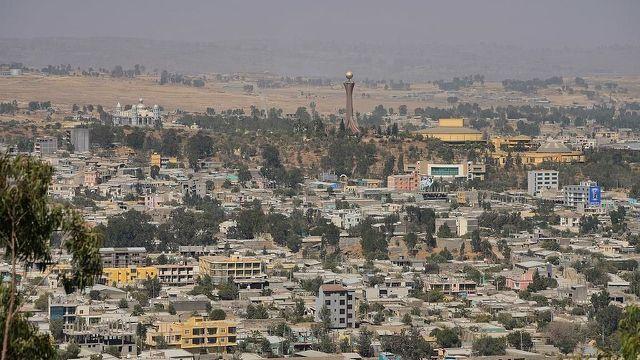
Among the subjects dominating African news for several months is the ongoing conflict in Ethiopia's Tigray province. The Ethiopian Prime Minister faces very strong pressure from the UN, humanitarian agencies, the United States and the European Union to open the region to humanitarian workers and…
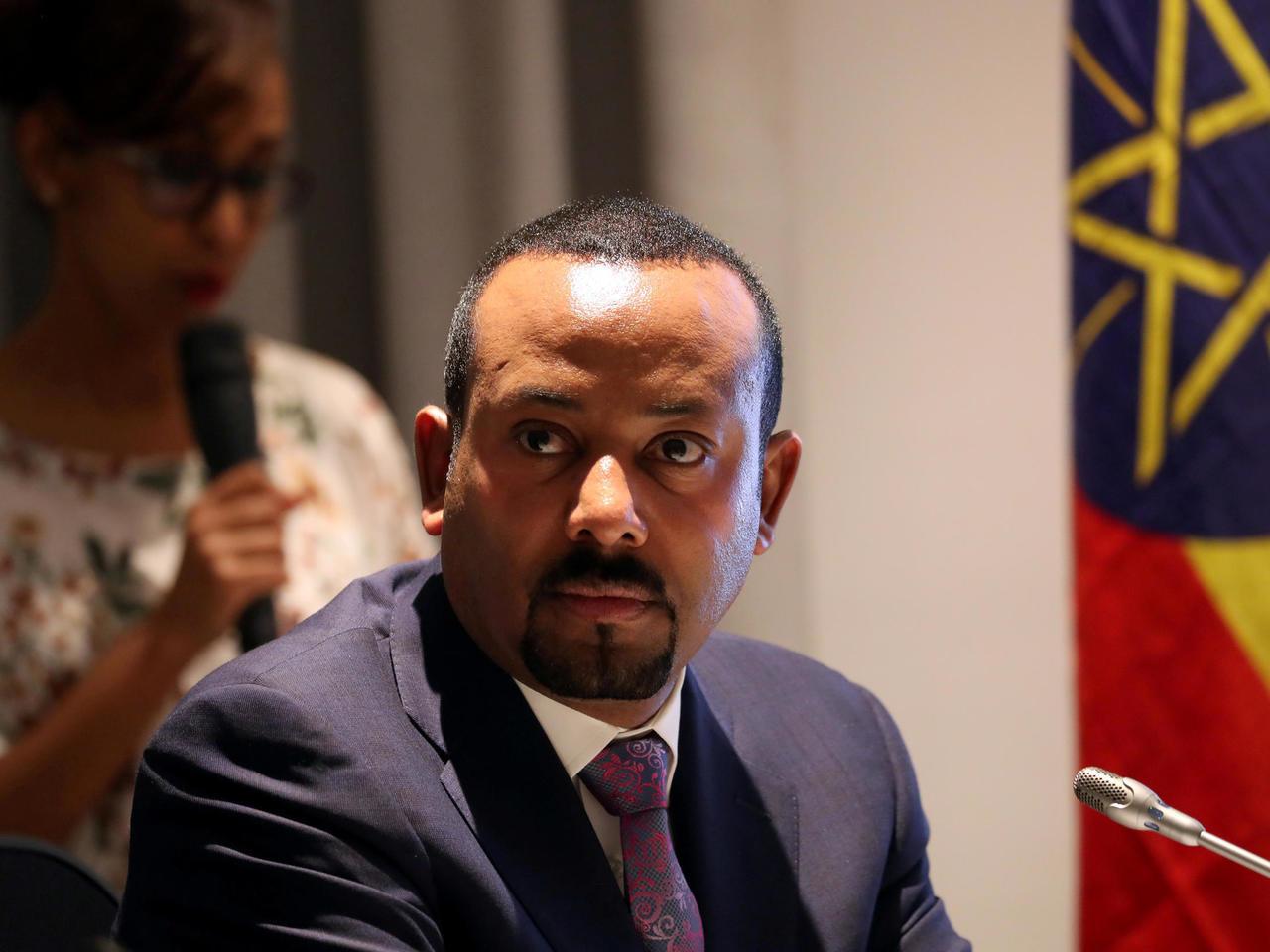
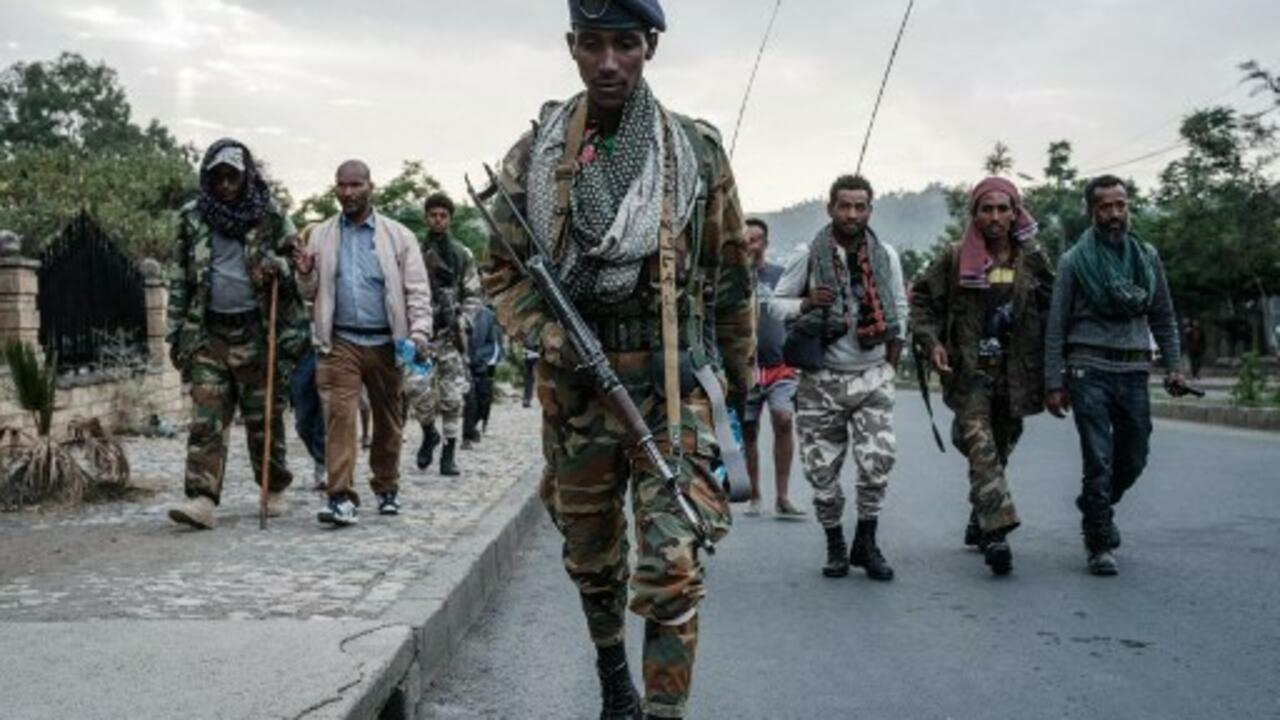
The Tigray question, though burning, is not on the agenda of the African Union summit. Since the beginning of military operations on November 4, the African continent has let Ethiopia and Eritrea have their way. The discontent has come from elsewhere and is intensifying in recent times. The new American administration, for example, is multiplying signals. After Angela Merkel and Emmanuel Macron, Secretary of State Antony Blinken called Abiy Ahmed on Thursday to tell him of his "grave concern". Washington has also publicly called for the "immediate" withdrawal of the Eritrean army, dismissing denials from Addis Ababa and Asmara, with whom the Americans say they have even intervened directly.
Furthermore present in Addis Ababa this weekend is the special envoy of the UN Secretary-General and that of the High Representative of the European Union for Foreign Affairs, who will press the authorities, as well as the AU.
It must be said that the situation in Tigray is deteriorating. According to a UN document presented to the Security Council, the federal army controls only 60% of the terrain there. A situation update from OCHA shows that it is largely not accessible to humanitarian workers, with pessimistic forecasts. Surveys show that the Eritrean refugee camps in Hitsats and Shimelba, still inaccessible, have been emptied and destroyed. And according to the Famine Early Warning Systems Network, Tigray moved this week to level 4 out of 5, that is to say to the level of emergency.
Our editors' picks of what matters. Monday to Friday.
By subscribing, you accept our privacy policy.