Article
Preparing the article…
If a translation is needed, this may take a few seconds.
If a translation is needed, this may take a few seconds.
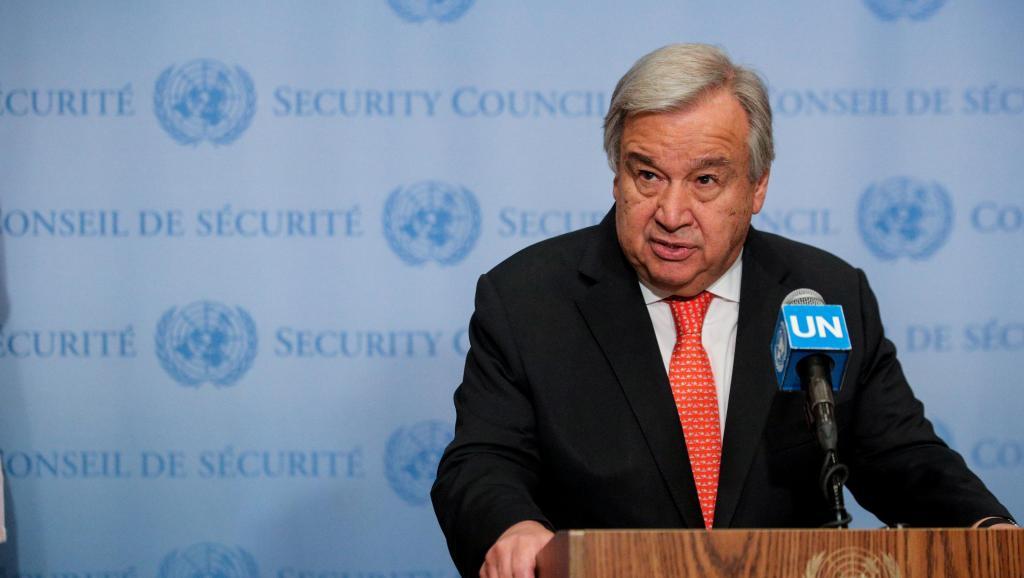
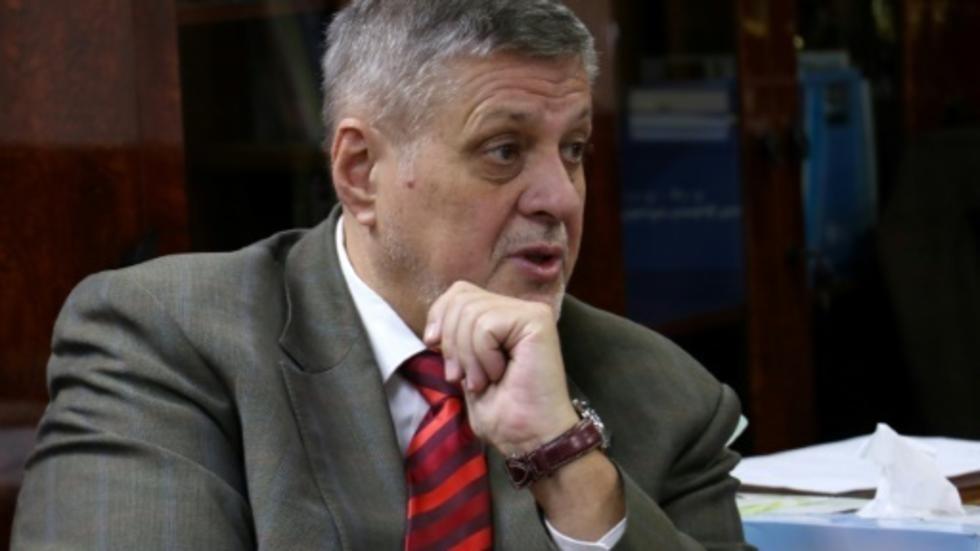
The candidacy of former Slovak minister Jan Kubis as UN special envoy to Libya was accepted by the Security Council Friday evening. The position had been vacant since Ghassan Salamé's resignation on March 2. Jan Kubis is currently the special envoy to Lebanon, after having carried out missions in Iraq and Afghanistan. For the UN, it is urgent to act in Libya to preserve the fragile ceasefire agreement signed last October, but the work of the special envoy is complicated.
A few months after his resignation, Ghassan Salamé has made multiple statements denouncing the actors involved in Libya who have "no intention of achieving peace", the duplicity of those who "say one thing and do the opposite". He also denounced certain UN officials who have their own agenda, which sometimes goes against the mission of the special envoy.
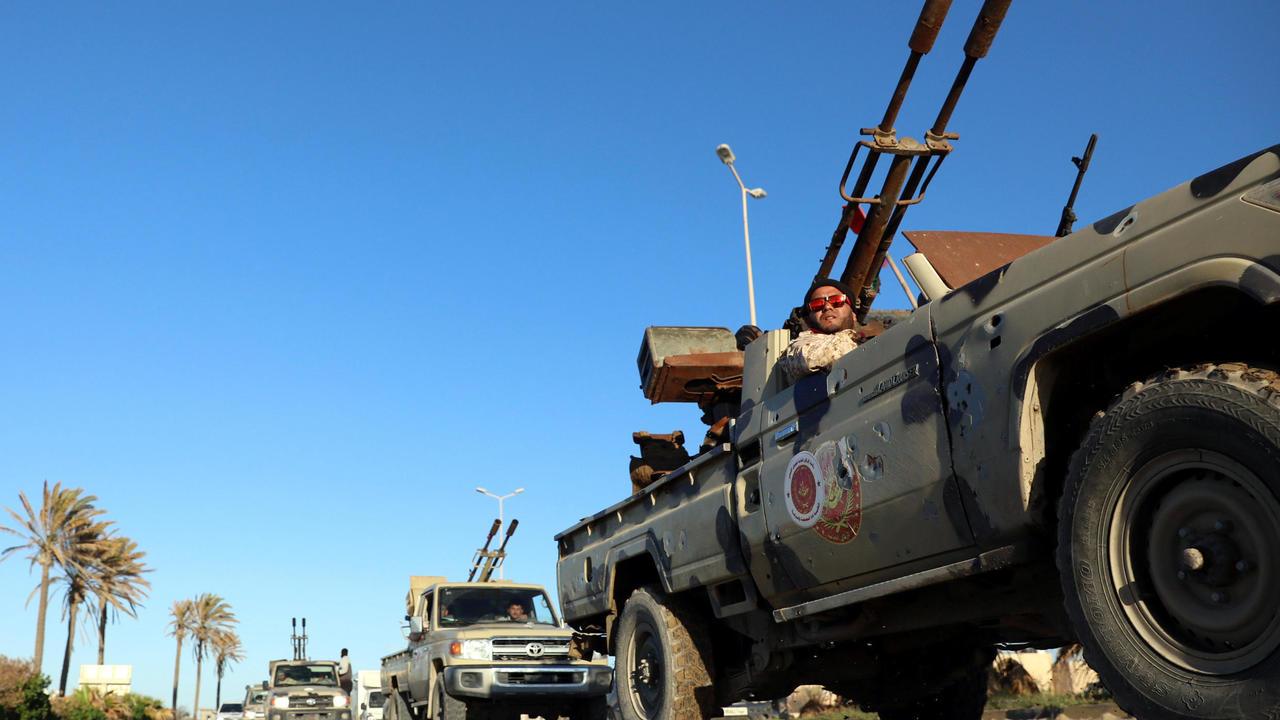
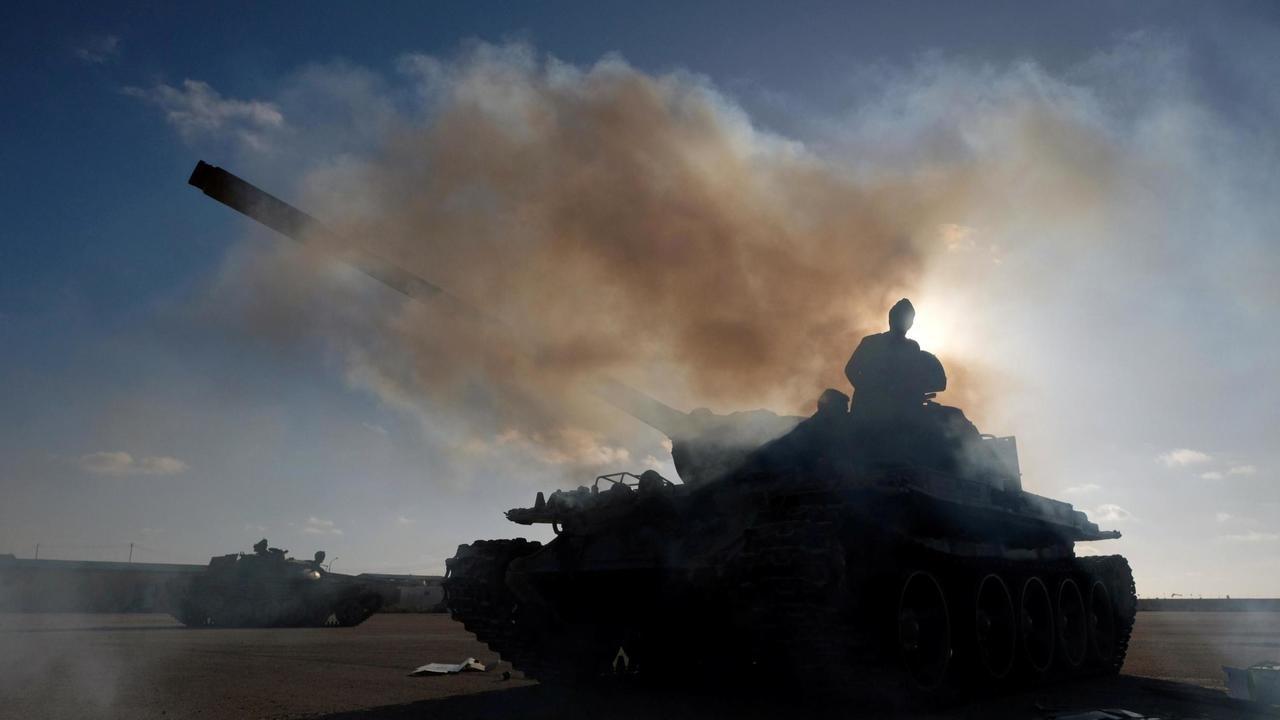
Since then, the situation has not evolved or has moved in the wrong direction. The game of influence of different countries in Libya has only grown. Indeed, mercenaries—Russian, Turkish, pro-Turkish Syrian, Sudanese and Chadian—are still there, while the ceasefire agreement requires their departure before January 23. The airlift between Turkey and Libya to transport weapons and mercenaries continues. The Russians also do not appear ready to leave the country.
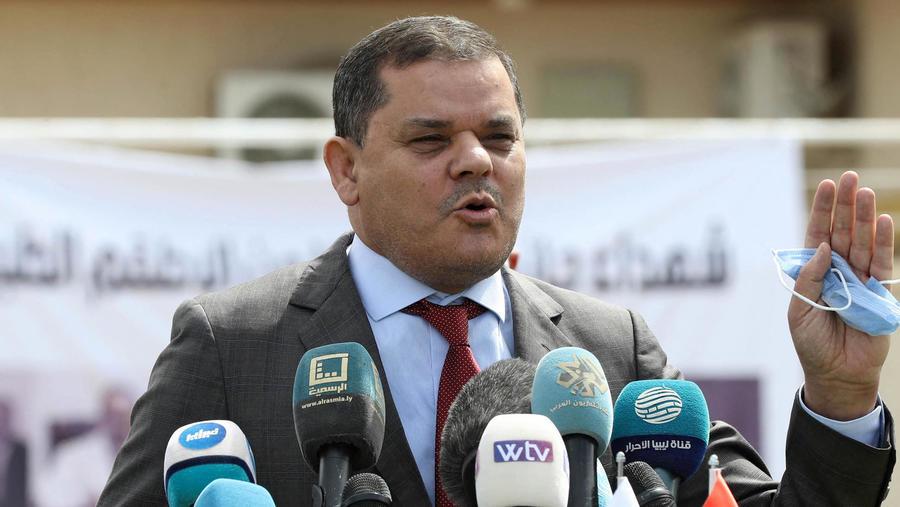
The appointment of a unified executive, a process blocked for three months, will be one of the challenges for the new emissary. It is this executive that will be responsible for leading the country toward elections scheduled for next December.
A mission that seems impossible if the United Nations cannot speak with one voice to stop interference and arms imports.
Our editors' picks of what matters. Monday to Friday.
By subscribing, you accept our privacy policy.