Article
Preparing the article…
If a translation is needed, this may take a few seconds.
If a translation is needed, this may take a few seconds.
The UN secretary-general suggested earlier this week the deployment of international observers in Libya. Civilians and military personnel from institutions such as the EU, the AU or the Arab League to monitor the implementation of the ceasefire agreement signed last October in Geneva. These observers will work…
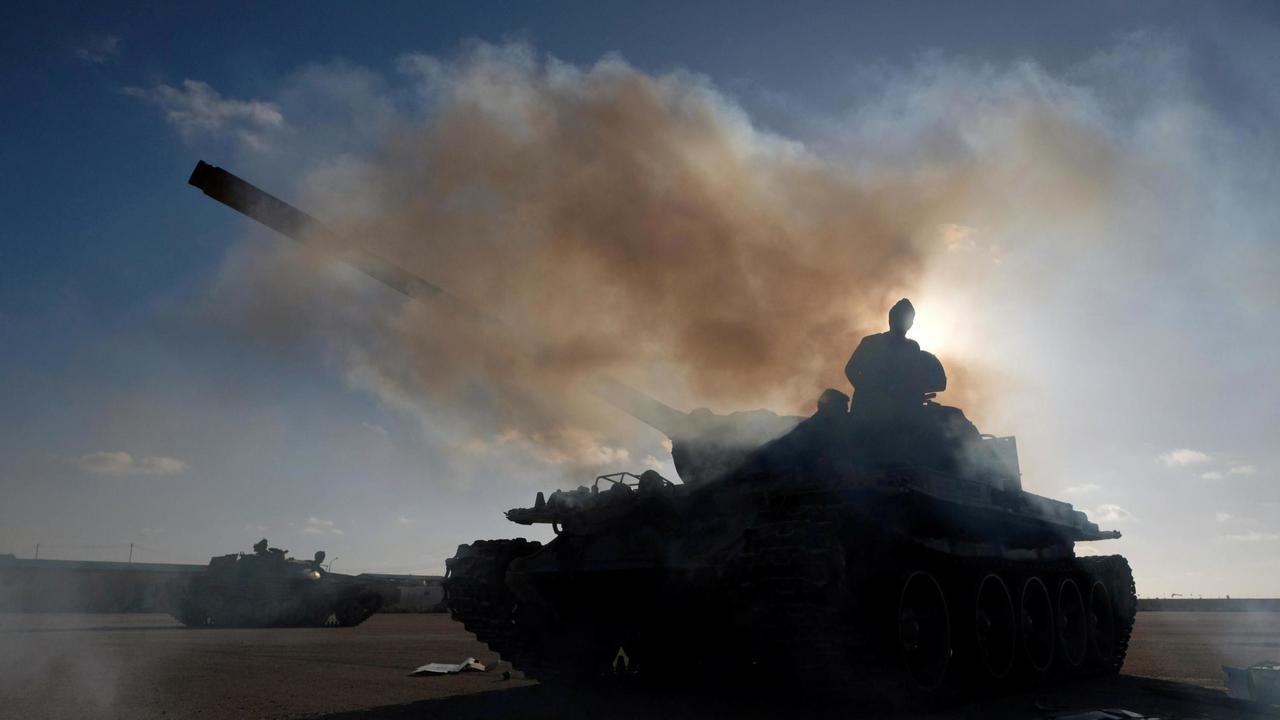
First, there is this fragile ceasefire that risks falling apart at any moment. Troop movements on both sides have been observed in recent days on the front lines, around the city of Sirte. Clashes have even erupted in Sebha in the south, between the forces of Khalifa Haftar and those of the Government of National Accord (GNA).
There is also this presence of foreign mercenaries fighting in Libya, whose numbers are estimated at 20,000 armed men. With their presence, the risk of military escalation is all the greater. According to the ceasefire agreement signed on October 24, these forces must leave Libya within 90 days of the signature, but no signs of withdrawal have been observed despite UN demands.
Finally, there is this persistent political deadlock over the mechanism for selecting the future members of Libya's unified government, as decided during the Tunis dialogue last November. For Antonio Guterres, the deployment of international observers also aims to resolve this deadlock which may finally enable the achievement of the electoral objective.
Elections are scheduled in Libya in December.
Our editors' picks of what matters. Monday to Friday.
By subscribing, you accept our privacy policy.