Article
Preparing the article…
If a translation is needed, this may take a few seconds.
If a translation is needed, this may take a few seconds.
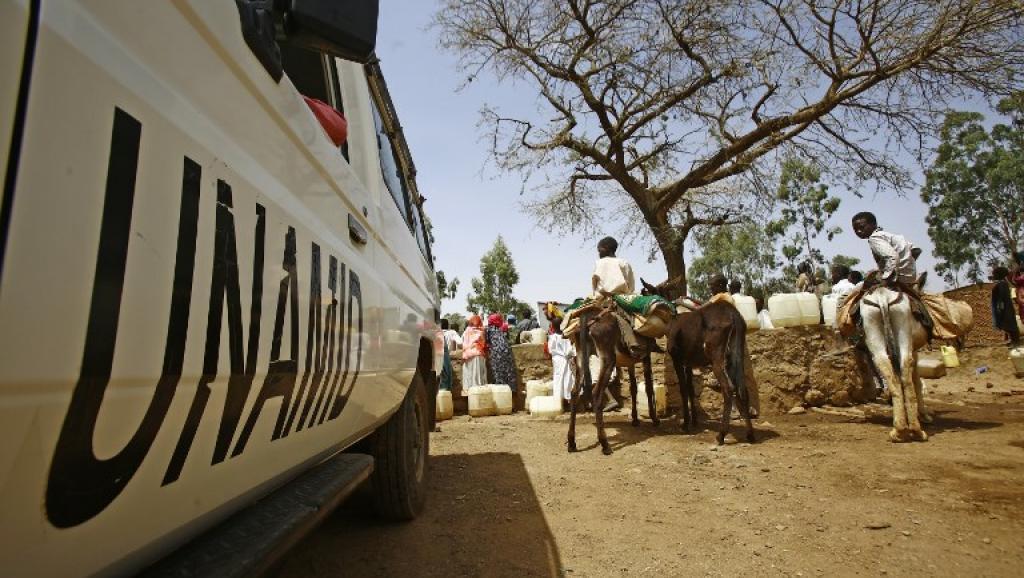
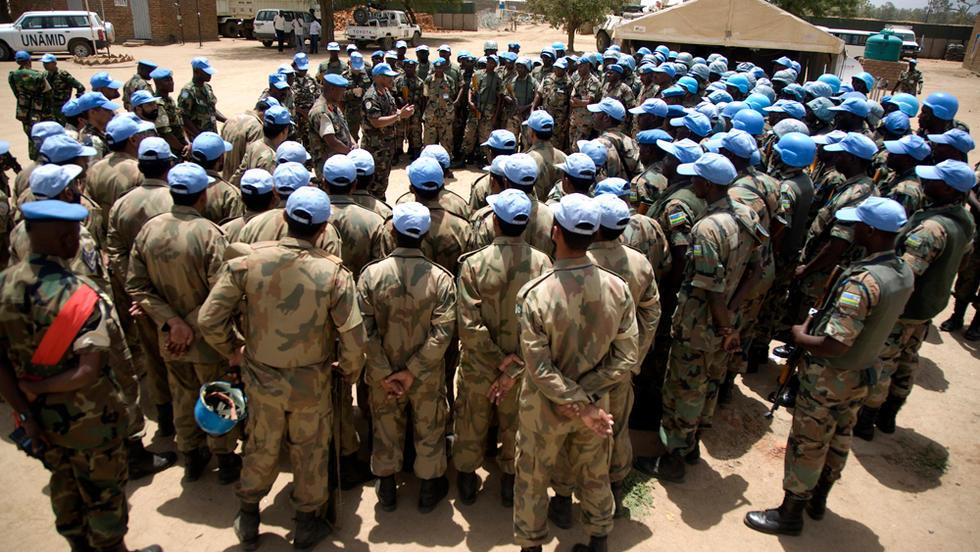
December 31 marks the official end of the joint UN and African Union peacekeeping mission in Darfur (Minuad) in Sudan. Evacuation of all personnel and equipment will begin January 1 and is expected to be completed by June 30. A change that is causing apprehension among populations and observers on the ground.
With our correspondent in Addis Ababa, Eliott Brachet
Minuad was deployed in 2007, following the war in Darfur that broke out in 2003 between pro-government forces and insurgents from minorities, killing nearly 300,000 people and displacing more than 2.5 million. The UN will remain in Sudan through an Integrated UN Mission for Transition Assistance in Sudan (Unitams), currently being established in Khartoum. A political mission intended to support Sudan's transition without providing a physical presence of blue helmets on the ground.
After requesting a three-month extension, the transitional government asserts it can do without UN forces to ensure security in Darfur. But incidents still occur regularly in this region. Many Darfuri and human rights organizations are calling for its extension, arguing that Sudanese security forces lack the capacity to protect civilians.
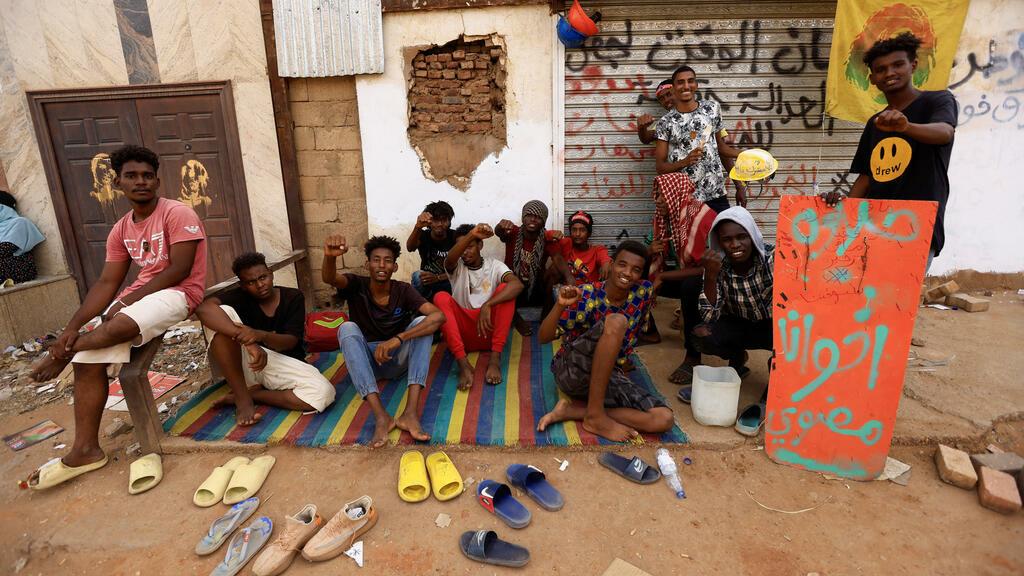
Several demonstrations have taken place in Khartoum and Darfur in recent days against these persistent acts of violence. Many believe that Minuad was imperfect but its withdrawal is premature. The mission at least provided a deterrent presence unlike the new mission planned by the UN, explains Kholood Khair of the think tank Insight Strategy Partners.
"Many Darfuri fear that the new UN mission will not be sufficient assurance of security. This mission will focus primarily at the level of political bodies in Khartoum. The withdrawal of Minuad will create a security vacuum in terms of international presence in Darfur."
Following the signing of the Juba accords signed in October between various armed groups, with the exception of the main rebel group, Khartoum has planned to form and send a garrison of 12,000 soldiers to Darfur. But many doubts persist about their capacity to contain the violence.
"The deployment of additional armed forces in these areas of Darfur will not improve things. Local populations have always perceived Sudanese armed forces as oppressors rather than protectors. I think many Darfuri fear experiencing a period of increasing insecurity in the months to come," Kholood Khair continues.
Over the past three months, in Darfur, nearly 50,000 people have been displaced as a result of persistent conflicts between tribes and armed groups, resulting in more than one hundred deaths over the same period.
Our editors' picks of what matters. Monday to Friday.
By subscribing, you accept our privacy policy.