Article
Preparing the article…
If a translation is needed, this may take a few seconds.
If a translation is needed, this may take a few seconds.
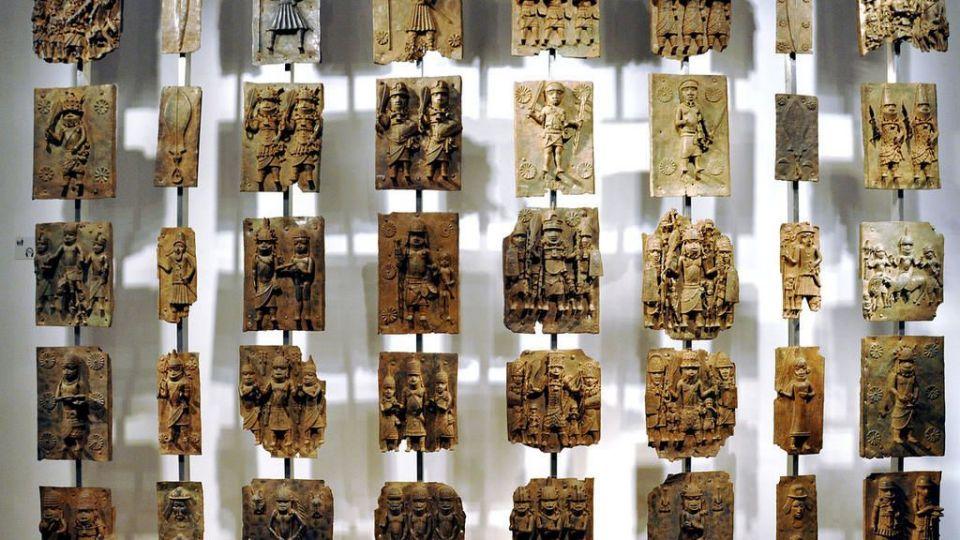
A large-scale museum and archaeological project has just been launched in Nigeria, in the city of Benin City, to accompany the return to African soil of artworks looted by the English during their invasion of the city in 1897. The first images of the future Edo museum for West African art – the Emowaa – were unveiled a few days ago in the city. But the 'Rediscovering Benin' project goes beyond simple restitution.
With our correspondent in Lagos, Liza Fabbian
The return of the bronzes from the Kingdom of Benin to Africa would be the most important event since independence, for some. The museum project just launched in the city of Benin City is in any case one of the most ambitious ever undertaken in Africa.
For more than two years, a dialogue has been underway between traditional authorities, the governor of Edo State and several European museums to provide a setting for these exceptional artworks, scattered throughout Europe.
And it is the star architect of Ghanaian origin, David Adjaye, who was chosen to lead this project, which could allow a true "renaissance of African culture" in the region, according to him.
Indeed, the construction of the museum for the Kingdom of Benin in the historic heart of the city of Benin City will lead to significant archaeological excavations. The construction will last five years and will make it possible to unearth other artifacts, which will be displayed subsequently.
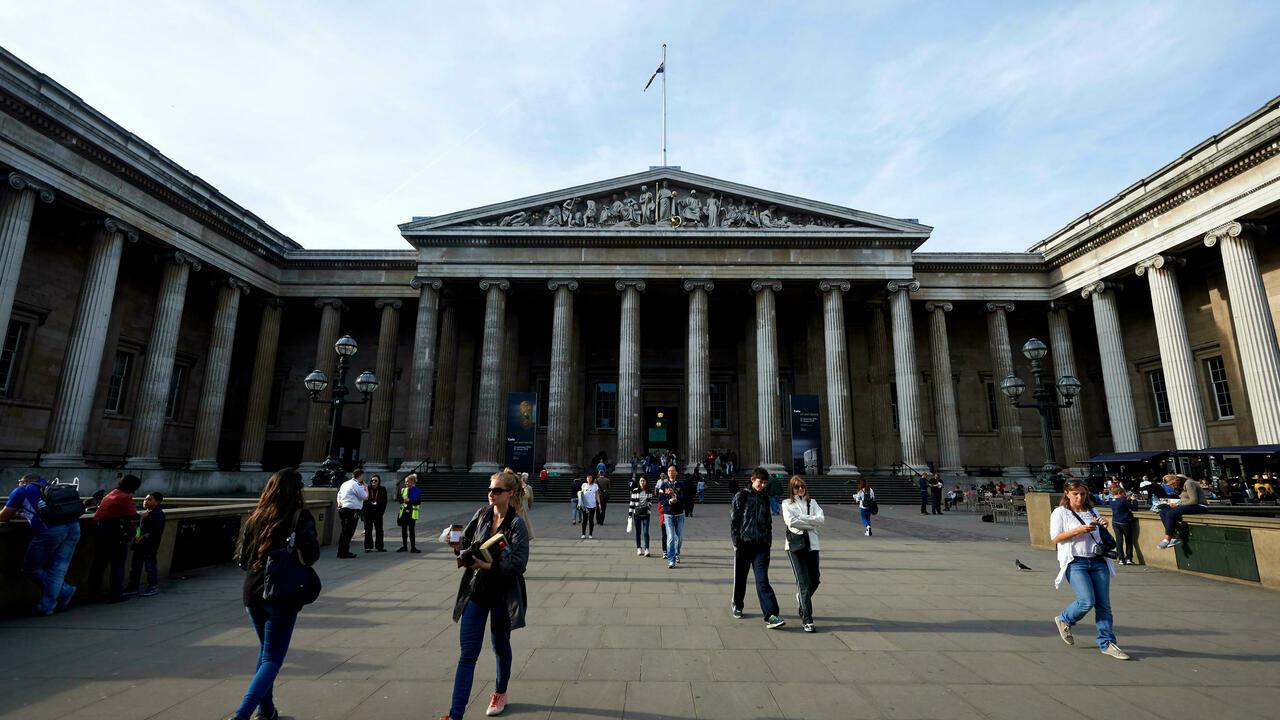
Ultimately, the Edo museum for African art should host the most complete collection in the world of Benin bronzes. Some pieces will be repatriated permanently, others loaned by European museums. The British Museum, one of the major partners of this project, holds more than 900 bronzes looted during the colonial period on its own.
Our editors' picks of what matters. Monday to Friday.
By subscribing, you accept our privacy policy.