Article
Preparing the article…
If a translation is needed, this may take a few seconds.
If a translation is needed, this may take a few seconds.
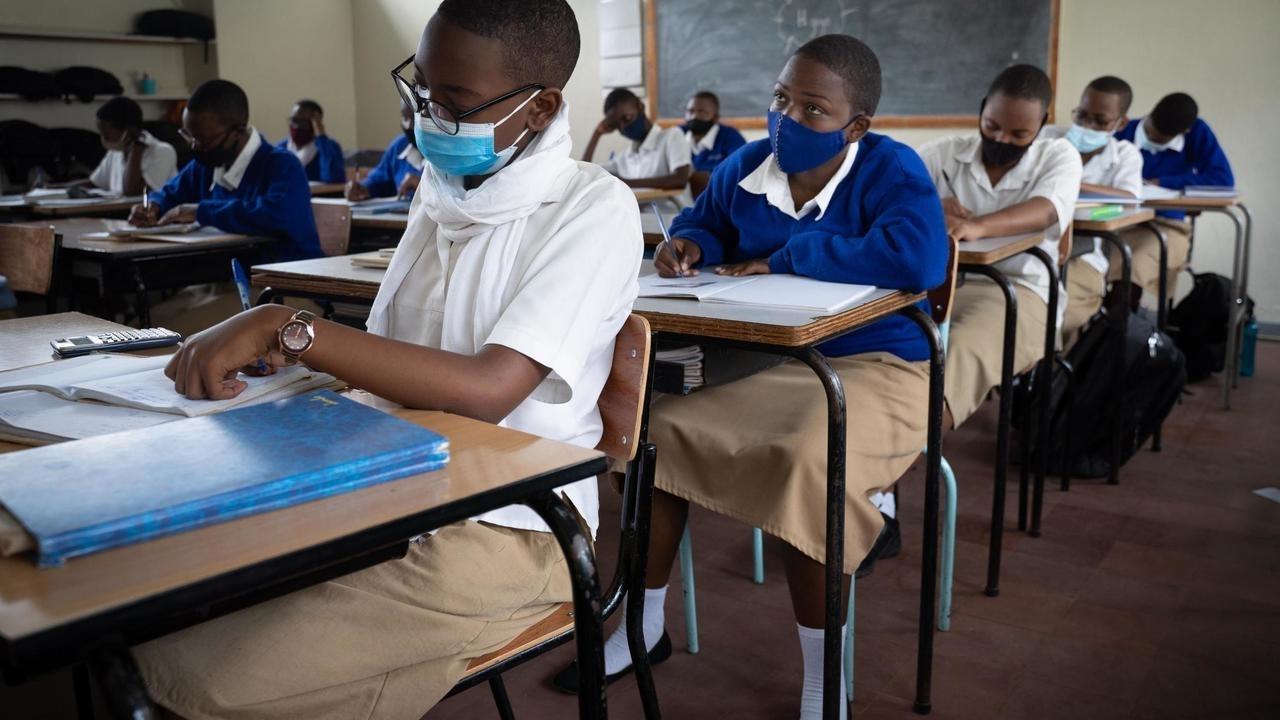
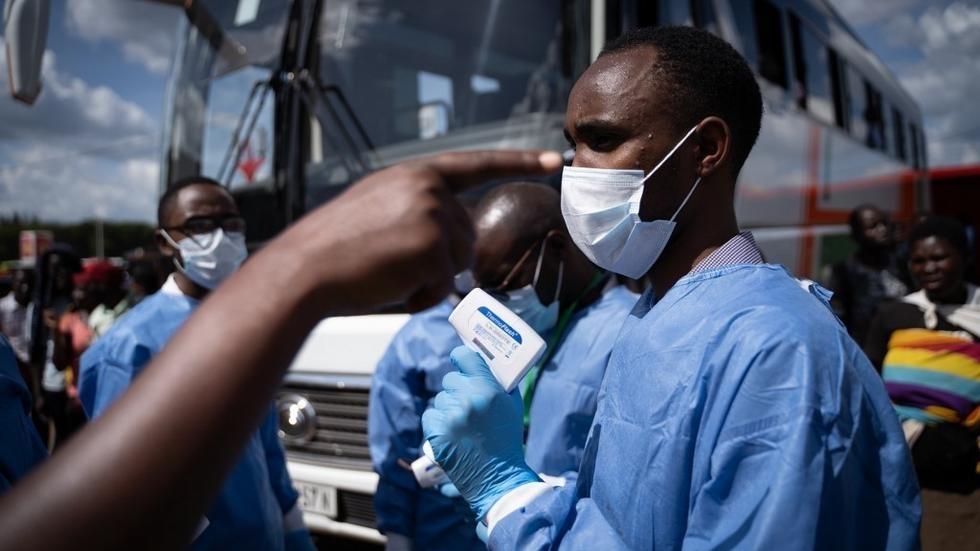
Effective immediately, mask-wearing is mandatory in Rwanda. The Ministry of Health announced over the weekend that mask-wearing is now mandatory in public places as well as in homes where multiple families live together. The country, in total lockdown since March 22, currently has 147 cases of Covid-19, of which 76 have recovered, and has recorded no deaths. This weekend, the Ministry of Health announced that Rwandans must now protect their faces in public places and even within households housing multiple families.

With our correspondent in Kigali, Laure Broulard
On Monday, April 20, the measure was being followed unevenly in Kigali.
Dressed in the yellow vest of telephone credit sellers, Marie-Ange adjusts a mask blackened by dust. "I think it's a good measure," she says, "because if everyone has a mask, it will stop the spread of the virus." Yet she is worried. Among her customers that day, some wore a mask, but others did not, and she fears for her health.
On this downtown street, three-quarters of passersby covered their nose and mouth. Some were discussing the price of cotton masks with other telephone credit sellers, already converted to selling Covid-19 protective equipment.
Olivier Ntirenganya, meanwhile, wears a plastic mask that cost him half his daily salary. "Right now, I earn about one euro a day," he says, "and this mask cost me 50 cents," an expense worth paying because otherwise he could contract the virus... "The most important thing is life," he says, "50 cents to protect yourself, and the rest to eat."
The corner pharmacy, for its part, offers masks coming from China but at 1,000 Rwandan francs per unit (approximately one euro); the stock is difficult to move.
"People know they have to wear them but the problem is they're too expensive," explains the pharmacist. However, Rwanda will soon manufacture masks at 500 Rwandan francs that will be accessible to everyone, he assures.
The authorities have indeed published a list of about twenty local companies authorized to manufacture what they call "barrier masks" at reduced price. Production began this Monday.
► Also read: Coronavirus: how Rwanda is facing the pandemic
NewsletterWith the Daily Newsletter, find the top news directly in your inbox
Our editors' picks of what matters. Monday to Friday.
By subscribing, you accept our privacy policy.