Article
Preparing the article…
If a translation is needed, this may take a few seconds.
If a translation is needed, this may take a few seconds.
This Thursday, December 19, marks the first anniversary of the beginning of the Sudanese revolution. Last April, it caused the fall of Omar el-Béchir's regime, in place for thirty years. A revolution initiated and led, essentially, by the people of Sudan's cities. As is always the case in popular revolutions,…
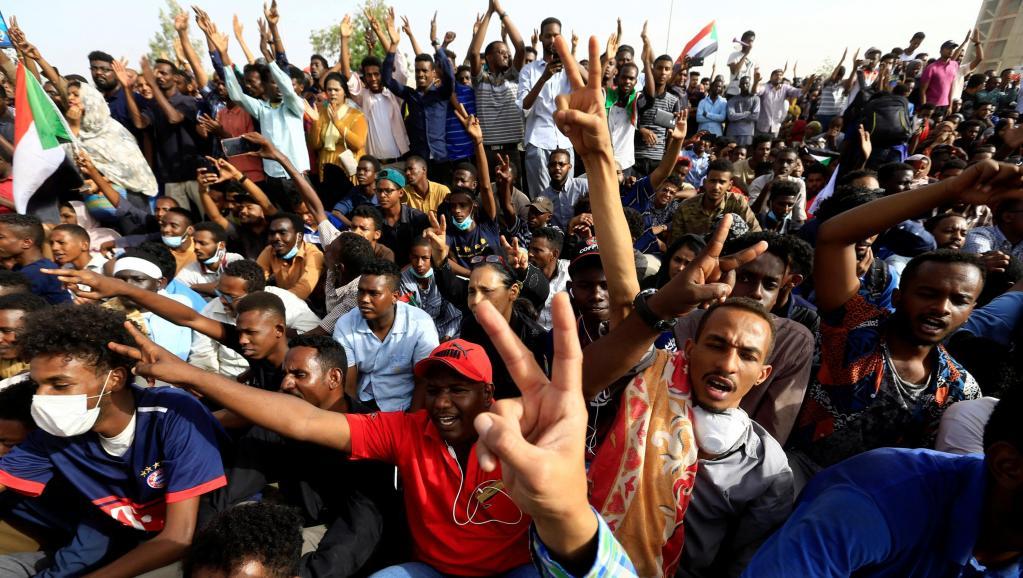
As is always the case in popular revolutions, from 1789 in France to 2019 in Sudan, the spark that sets an entire system ablaze can seem trivial. In this case, it was the rise in bread prices, in a Sudan already hard hit by the political and economic isolation of a regime that, at that time, had little room for maneuver.
That is when these anonymous actors emerged on the political scene, called in the country the "neighborhood resistance committees", bringing together familiar citizens living in the same city block or on the same street. "You saw all sorts of people," explains researcher Sarra Majdoub, who spent several months with them this year. But we can say that those taking the lead were young men and young women, with abilities, networks and a certain agility. These were not people with ambitions for activist careers. They had above all a know-how, born spontaneously, from the bottom up, from the daily practice of city life, mobilization, civil disobedience, answering questions like : "How are we going to do this? How are we going to protect ourselves against daily repression?" "
Eruption of anger
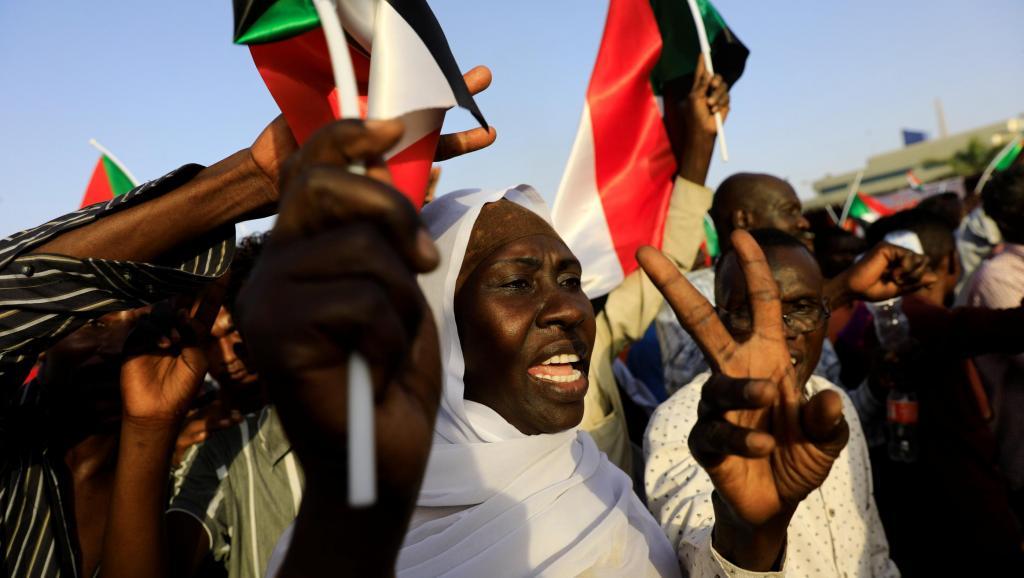
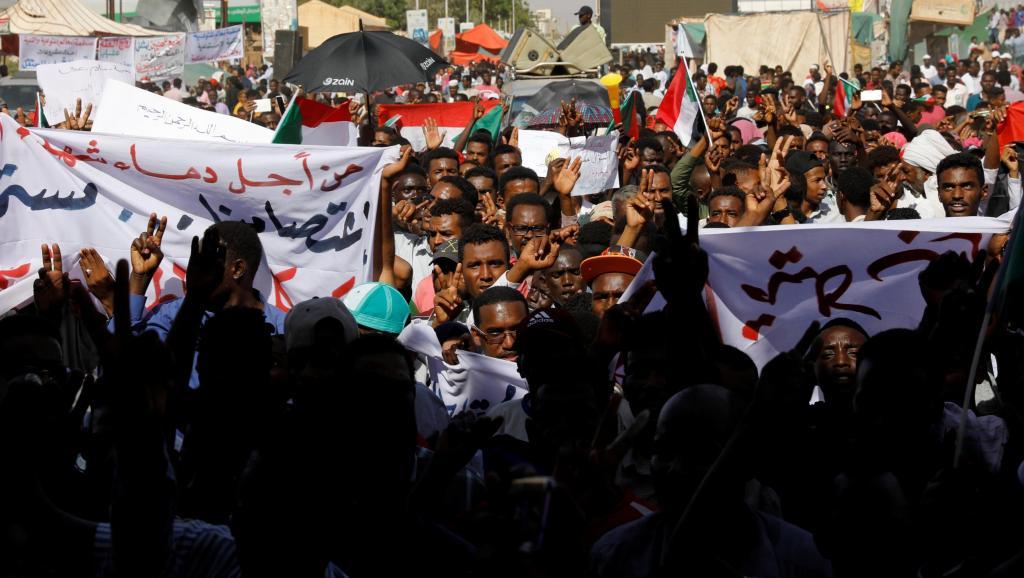
It is on December 19, 2018 that anger erupts everywhere. First in the working-class city of Atbara, in the North, then the neighboring town of Dongola, in Port Sudan, in the east of the country, in El Obeid in the center, and of course in Khartoum, the capital. People protest and march in the streets. But above all, they organize around their homes, with a central rallying cry.
"At first, the objective was truly the material and effective fall of the regime," recounts Sarra Majdoub. "They chanted 'Tasgot bas!', that is: 'You're out, that's it.' The regime had to fall, period. We organized mainly at night. People met up, took stock day by day of the mobilization, of what was happening here or there, of the setbacks from repression."
If the personalities of the Association of Sudanese Professionals, the political wing of the protest, led the battle of organization, they relied on the committees, where Sudanese debated, sometimes quarreled, and agreed on the next steps to take. "It is truly a very interesting model," continues Sarra Majdoub. Their work consisted of deciding how to organize concretely, what tactics to develop, what methods to use to occupy this or that square, to take part in this or that march. It was truly, both logistically and politically, the key place of mobilization."
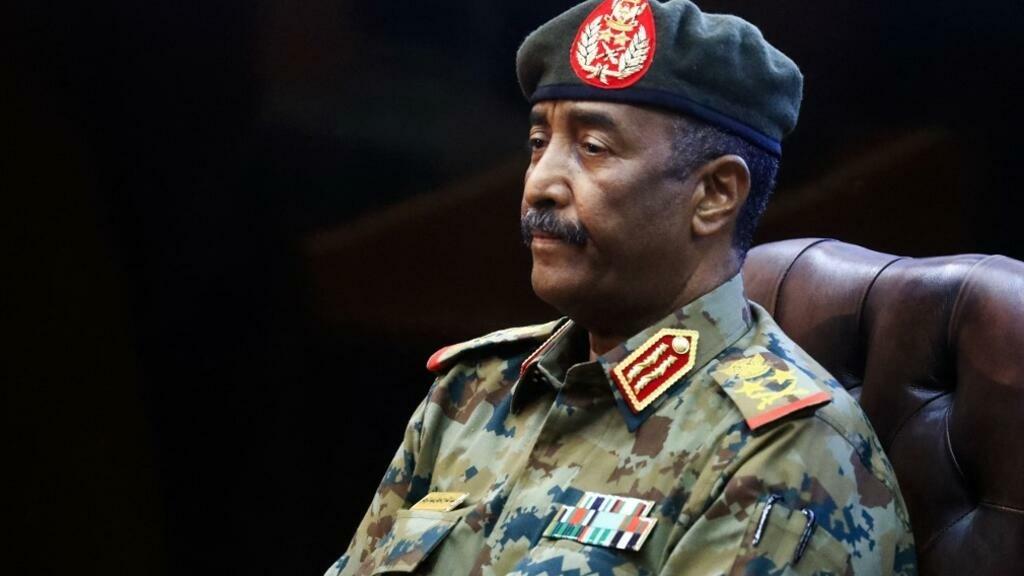
What followed is now well known. On April 11, Béchir is overthrown by a palace revolution, a military coup led by several generals, backed by the omnipresent Rapid Support Forces of former Janjaweed leader Mohamed Hamdan Dagalo, known as "Hemeti", who proves to be the key player in the maneuver. As a result, the military — the paramilitaries, especially — take control of the situation. They crush in blood, in early June, the festive and political gathering that had been taking place in front of army headquarters, the epicenter of the revolution, for weeks.
Under international pressure and facing mounting tensions, in early July, a compromise is finally reached. Sudan then enters a transitional phase, involving power-sharing between civilians and the military. A compromise that, for now, is unfolding in relative peace.
A new idea of Sudan
But what was born during this revolution, Sarra Majdoub insists, is a new idea of Sudan among ordinary people. "The regime in place was racialist. It considered that these people are less Sudanese than those people, so we can repress them, we must wage war on them, etc.," she explains. "That is why, within the Committees, there was a very strong return to the question of 'Sudaneseness', to put it simply, the question of what it means to 'be Sudanese'. And what emerged was a Sudan for all, that is, the idea of ultimately building a new 'Sudaneseness', or rather of reviving it, that same 'Sudaneseness' that brought about the country's independence, which was driving force in 1924 during an old revolt… It was something very powerful. And then people started to make the connection with the crises on the margins of the country, Darfur, Blue Nile or the Nuba Mountains. We had to build something strong enough to counter the regime's racism."
But today, many members of these resistance committees are "bitter", adds Sarra Majdoub. With the military still in power, what predominates is "a feeling of expropriation". But they also keep in mind, she reminds us, a Sudanese expression that evokes the "long breath" of revolutions. This indicates, with poetic beauty, that perhaps everything is not yet over.
► Read also: 2019, a year of all angers
Our editors' picks of what matters. Monday to Friday.
By subscribing, you accept our privacy policy.