Article
Preparing the article…
If a translation is needed, this may take a few seconds.
If a translation is needed, this may take a few seconds.
Nigeria remains in fortress mode. Border controls stay reinforced as Operation Ex-Swift Response continues without authorities announcing an end date. Abuja declares it wants to protect its territory from security threats including illegal arms trafficking, but seeks to prevent hydrocarbon smuggling…
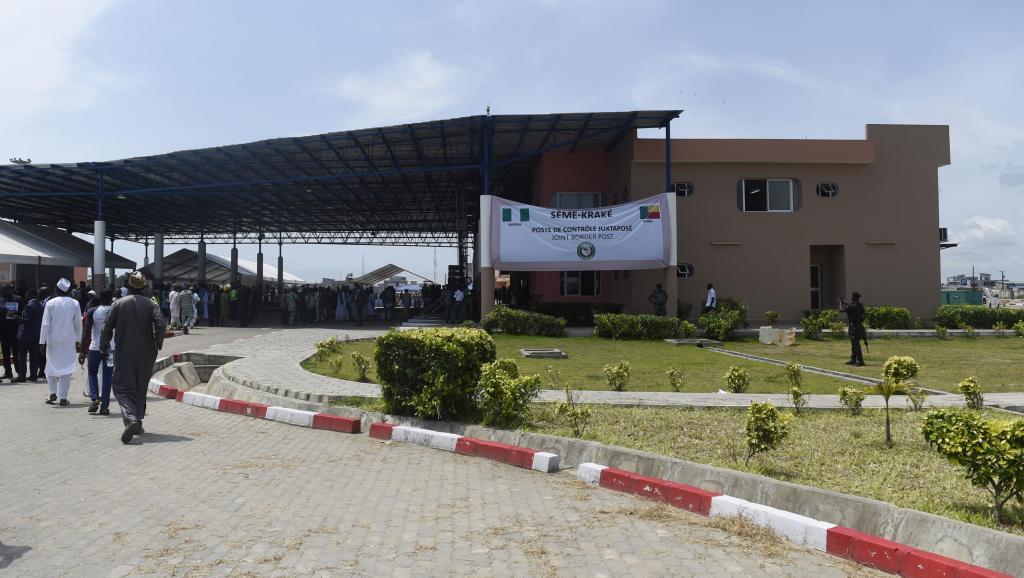
This unilateral crackdown has repercussions in neighboring countries. ECOWAS (Economic Community of West African States) is calling on Abuja to return to a normal situation in managing human flows and goods across its borders. The West African organization is concerned about the signal being sent by one of Africa's leading economies as Nigeria has just joined the African Continental Free Trade Area. Several West African heads of state have called on President Muhammadu Buhari to moderate his protectionist impulses.
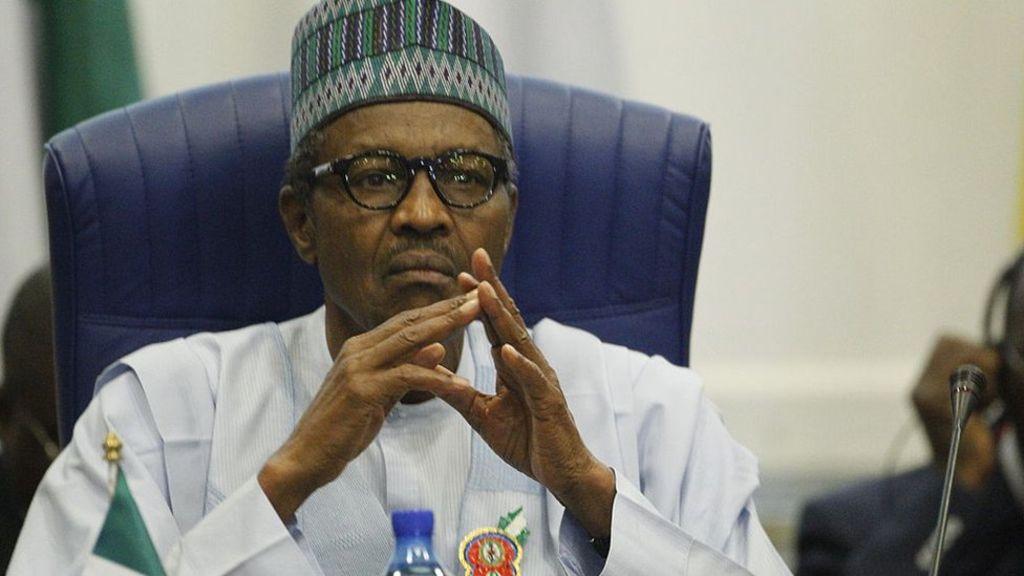
Muhammadu Buhari persists and stands by his course. And Nigerian security institutions are applying directives aimed at protecting Nigeria.
Hammed Ali, the comptroller general of Nigerian customs, was very firm last week during a visit to the Maigatari border post.
In this locality connected to Niger, the head of Nigerian customs indicated that ultra-reinforced controls will last "until neighboring countries respect Nigeria's protectionist policies on agrifood products and policies to combat smuggling of hydrocarbons and weapons".
The same tone from the comptroller general of immigration services.
Muhammad Babandede unsurprisingly aligns with federal government directives: entry and exit from the territory must be strictly observed regardless of the status of the person in transit.
For national security adviser Babagana Monguno, Nigeria is merely exercising its right to ensure its sovereignty and protect itself from insecurity in all its forms.
Benin severely affected
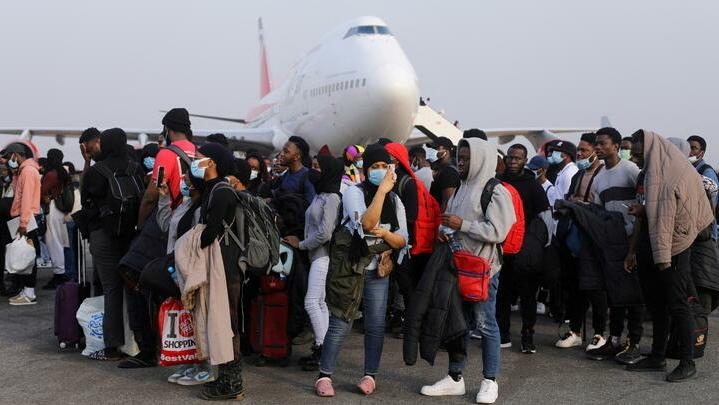
On the border between Nigeria and Benin, within one month hundreds of illegal migrants have reportedly been arrested. But illegal weapons have been seized as well as several hundred bags of imported rice.
Provisional results that encourage President Muhammadu Buhari to remain inflexible in his protectionist policy. Despite appeals launched by ECOWAS Parliament and by some heads of state of neighboring countries.
Benin and its economic operators are the first to suffer from this unilateral decision by the Nigerian giant, says CONEB, the national confederation of employers of Benin, one of two business organizations in Benin, which is concerned about it.
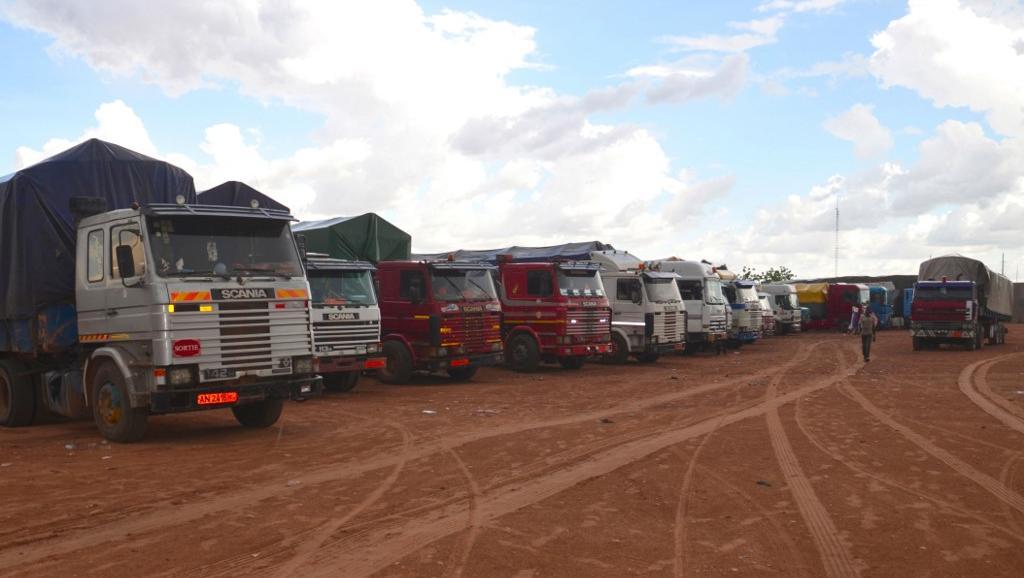
Today, we have more than a thousand trucks blocked on the roads, carrying perishable goods like pineapples, tomatoes, smoked fish and which if, in the coming days, do not find the normal circuit to reach Nigerian customers, these products will be fit only for the garbage. these are hundreds of millions that we are losing like that. Two companies have closed their doors: one producer of palm oil, the biggest one, and another for storage of dried fish.
Our editors' picks of what matters. Monday to Friday.
By subscribing, you accept our privacy policy.