Article
Preparing the article…
If a translation is needed, this may take a few seconds.
If a translation is needed, this may take a few seconds.
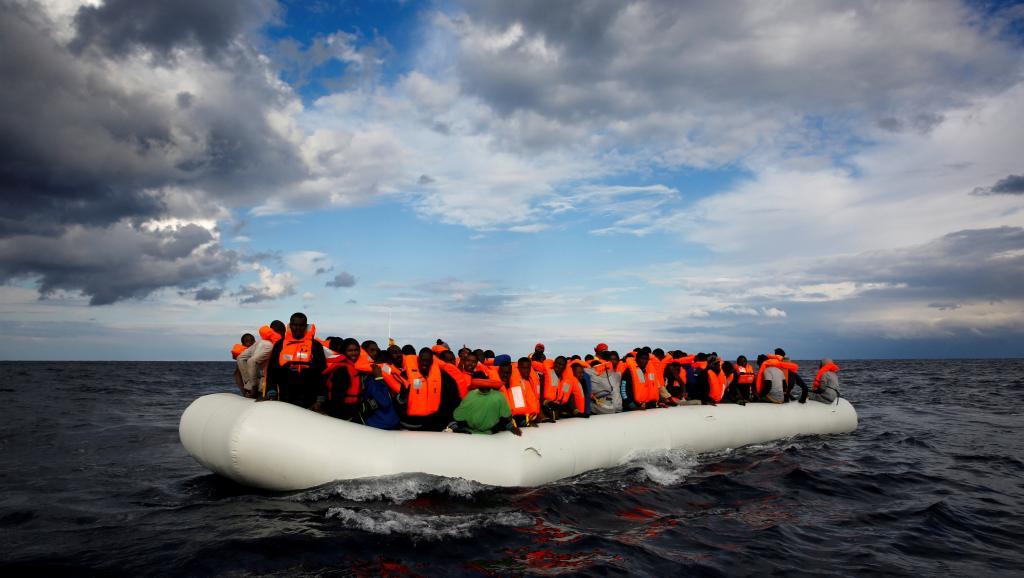
Last February, Defense Minister Florence Parly announced the delivery to Libya of six vessels as part of French support 'to the efforts of the Libyan navy to combat illegal immigration,' according to the ministry. Eight international NGOs, including Amnesty International and Doctors Without Borders, filed an emergency motion on Thursday, April 25 to suspend the delivery of the boats, pending the court's final ruling on the legality of this delivery.

For the NGOs, this delivery of boats is illegal in light of the international commitments made by France.
Their argument is as follows. First point: even if these vessels are supplied without armament, they are considered military equipment under French law, solely because they were designed for military use.
In delivering them, France is therefore violating the UN and European embargo on military equipment destined for Libya, the NGOs argue.
Second point: France has ratified a treaty on arms trade, which requires it not to transfer military equipment that would result in a violation of international law.
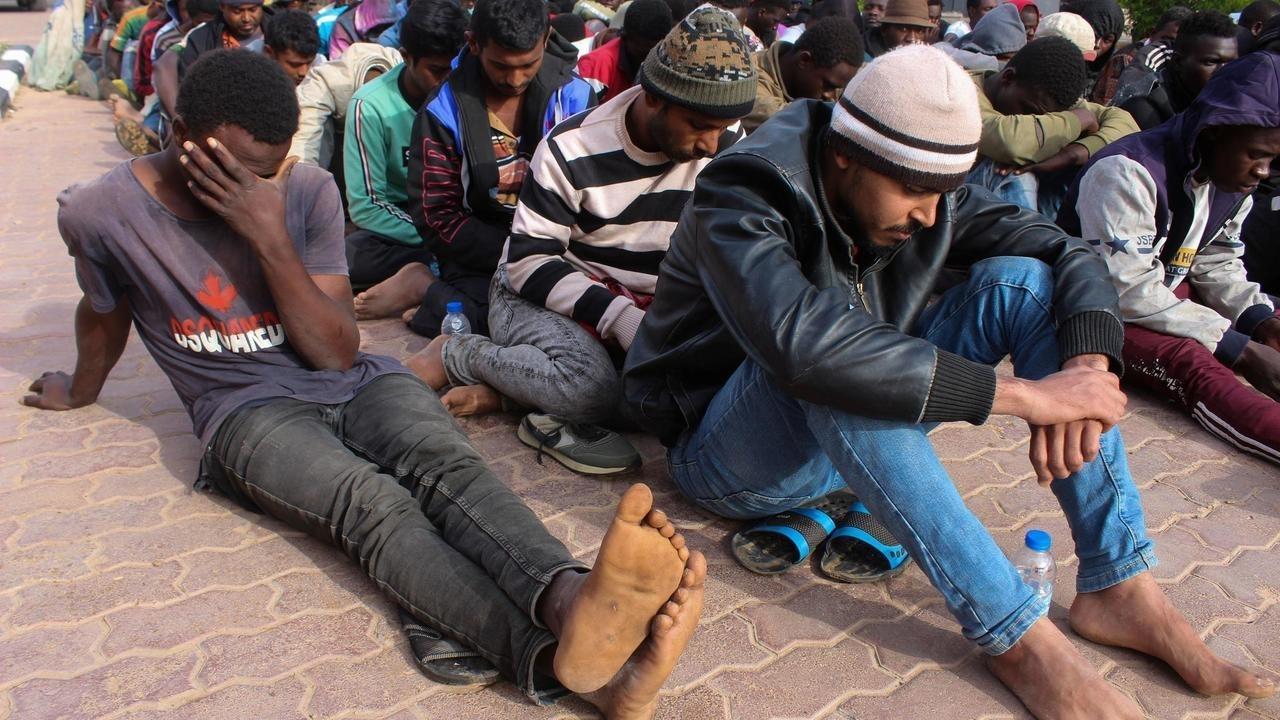
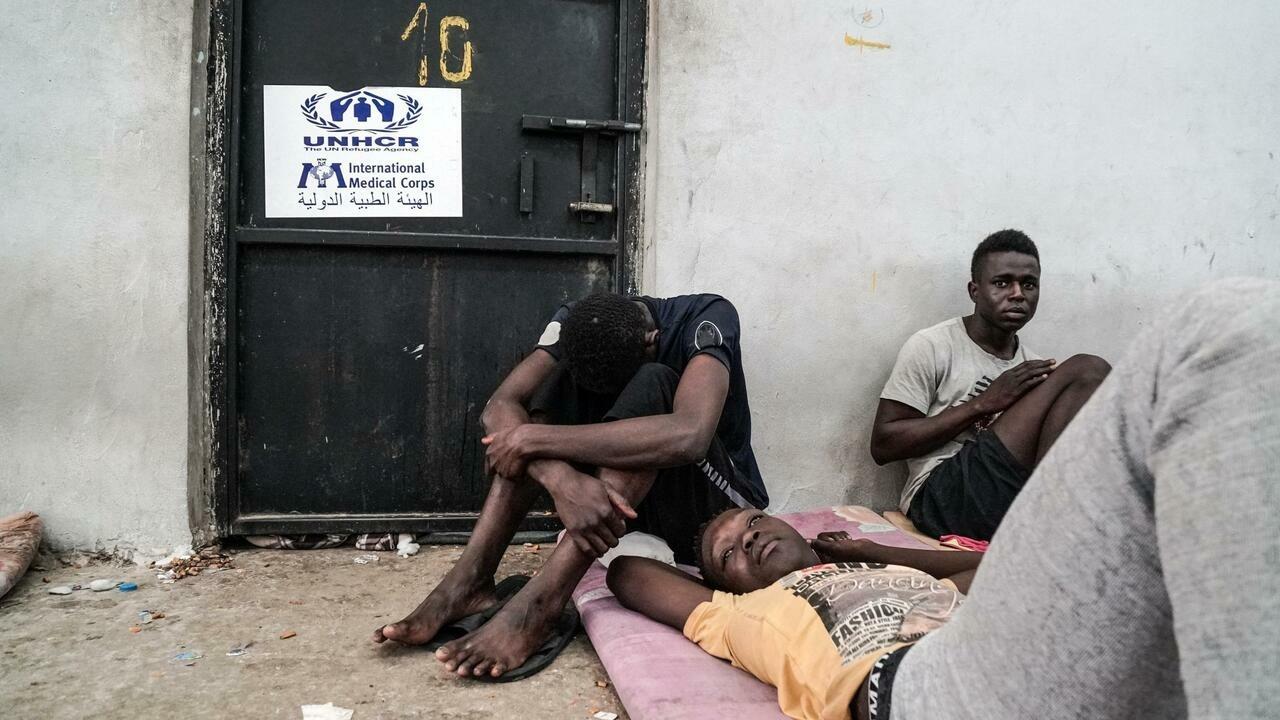
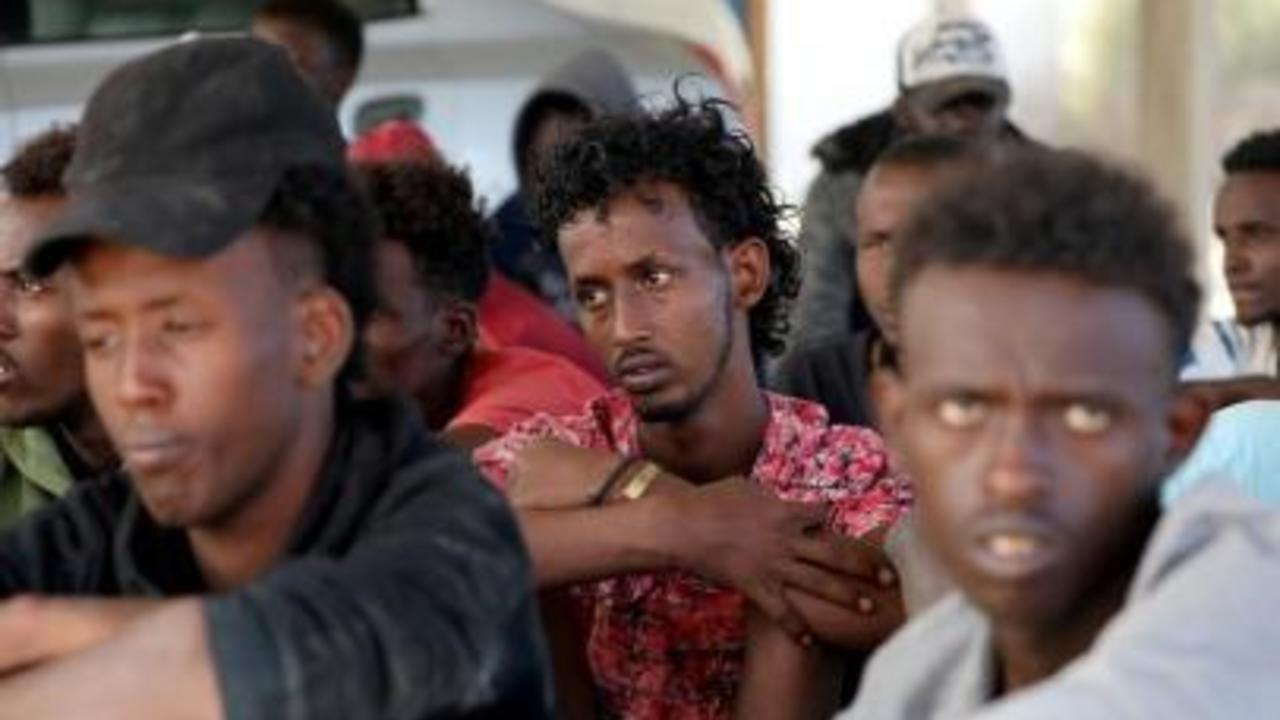
Yet, the NGOs stress, numerous human rights violations against migrants have been documented in Libya, whether committed at sea by certain coast guards or on land, in detention centers.
Providing these boats would therefore amount to France becoming complicit in these violations and engaging its responsibility 'for an internationally wrongful act,' these organizations argue.
There you go, now you know why we're taking the State to court. #WeAreSuingInCourt: Let's defend human rights https://t.co/IM7B5xWAKW
Amnesty France (@amnestyfrance) April 25, 2019
The court must first rule on whether it validates or rejects the motion for suspension of delivery filed before it, before potentially issuing an opinion. This first phase should take less than 3 weeks. The deliberation on the legality of the delivery could, itself, last for months.
France is becoming complicit in crimes...
Our editors' picks of what matters. Monday to Friday.
By subscribing, you accept our privacy policy.