Article
Preparing the article…
If a translation is needed, this may take a few seconds.
If a translation is needed, this may take a few seconds.
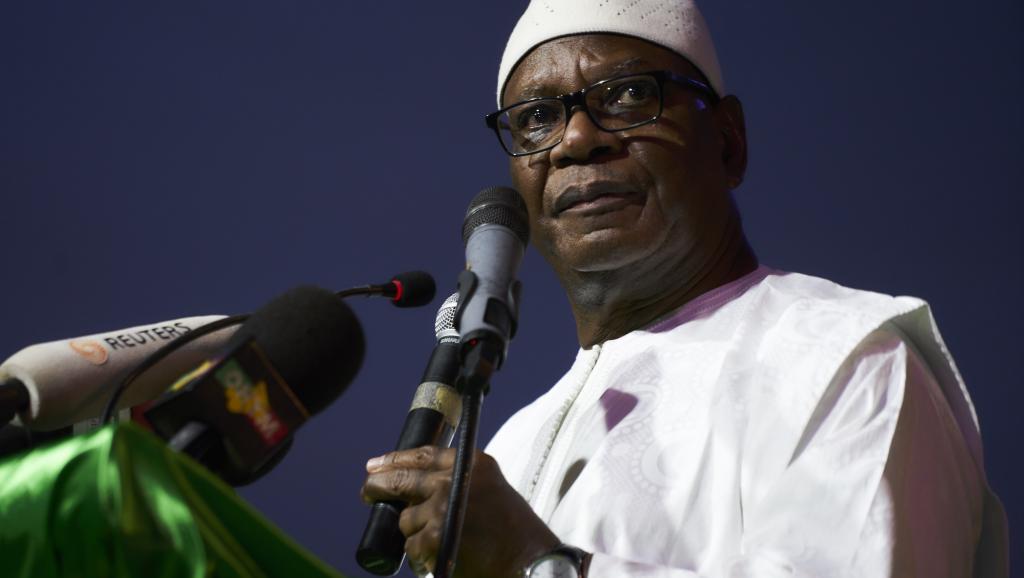
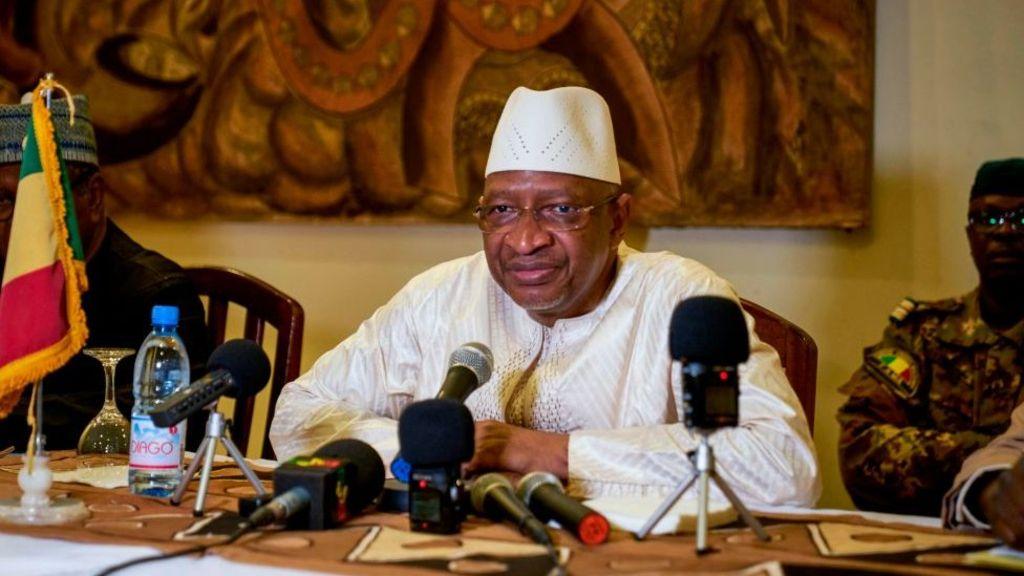
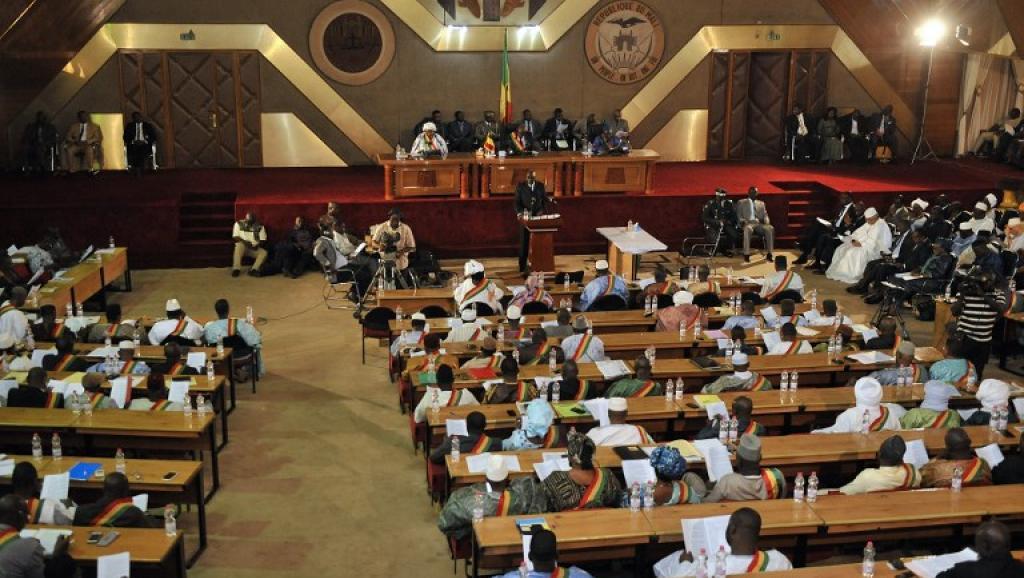
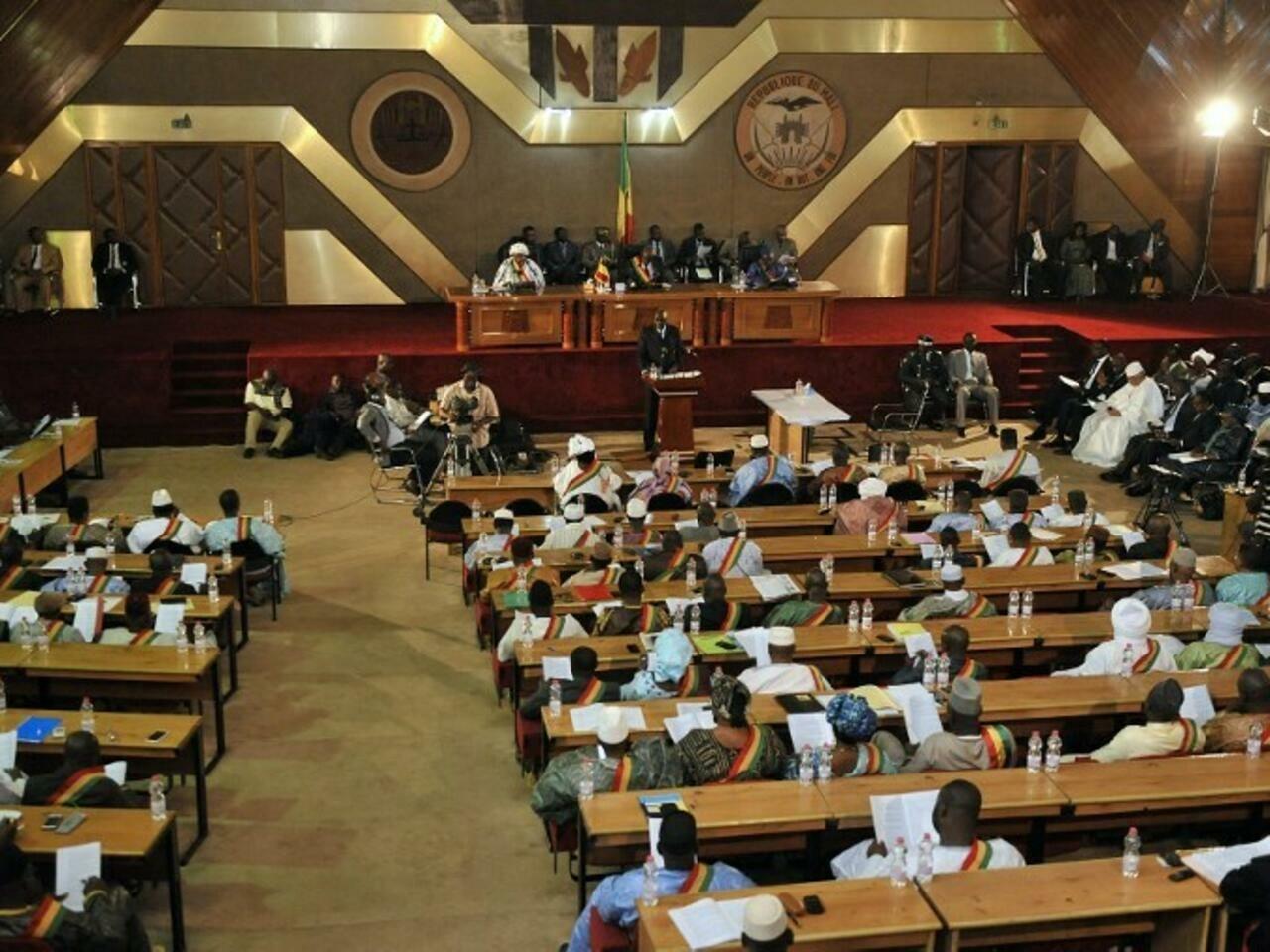
The resignation of Soumeylou Boubèye Maïga, accepted by the Malian presidency, comes just hours before the National Assembly examines a no-confidence motion against the government filed Wednesday by opposition deputies, as well as those from the majority. The Prime Minister, in office for 16 months, had crystallized criticism for several weeks.
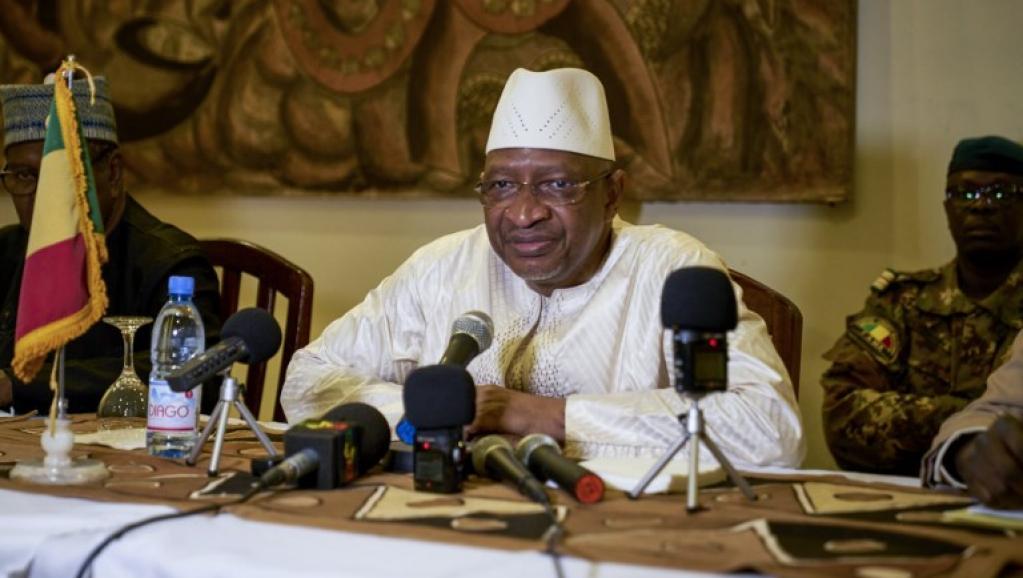
Soumeylou Boubèye Maïga submitted his resignation and that of his government, which was accepted by Ibrahim Boubacar Keïta, according to a statement from the Malian presidency released on the evening of April 19. The head of state "thanked" the outgoing Prime Minister "for his loyalty and his strong sense of duty" the document states.
"A Prime Minister will be appointed very soon and a new government will be put in place, after consulting all political forces from the majority and the opposition", the presidency adds. For several weeks, the departure of Soumeylou Boubèye Maïga had been demanded by Muslim religious leaders as well as by the opposition — whether elected officials or protesters in the streets. But also by deputies from the presidential majority.
A Prime Minister rejected by the president's party
Within the Rassemblement pour le Mali (RPM), the presidential party, some had never accepted the appointment of Soumeylou Boubèye Maïga. But "the deterioration of relations", according to the words of a party official, really began when he was reconfirmed after the 2018 presidential election.
His detractors accuse him of having then launched a destabilization campaign against the RPM. In a logic of ostracism, explains an RPM official, the Prime Minister replaced several party representatives in key positions and, most importantly, poached several of its deputies. An approach deemed disloyal, solitary and serving a personal agenda.
IBK and RPM, a complicated relationship
The filing of a no-confidence motion that should have been voted on this Friday, a true act of defiance, reflects these tensions, but also more deeply illustrates the complex relations between the RPM and President IBK. Of five Prime Ministers since his first election in 2013, the head of state has appointed only one from the ranks of his party, which nonetheless has the majority in the assembly.
The RPM, which has generally never felt associated with the management of the country, derived growing frustration from this and ultimately decided to call for a change in governance, like the tens of thousands of Malians who took to the streets on April 5.
Our editors' picks of what matters. Monday to Friday.
By subscribing, you accept our privacy policy.