Article
Preparing the article…
If a translation is needed, this may take a few seconds.
If a translation is needed, this may take a few seconds.
Martin Fayulu claims the 'resurrection' of the UDPS, while Kabuya denounces political maneuvers.
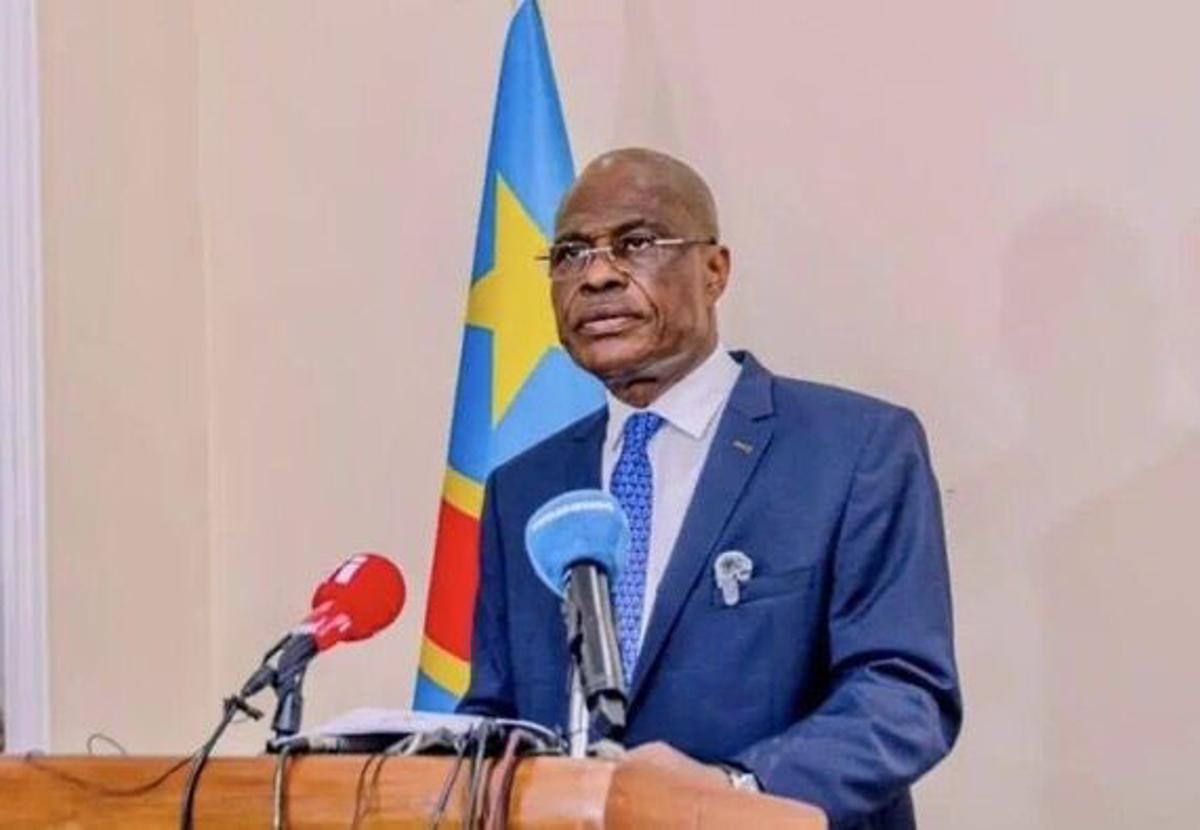
“The UDPS was dead. President Félix Antoine Tshisekedi and his team were right to have killed the UDPS. But here it is, resurrected today with your brother Martin Fayulu Madidi.” These words spoken by Martin Fayulu during a meeting in Kinshasa have revived political tensions in the Democratic Republic of Congo (DR Congo), exacerbating divisions between the opposition and the ruling party.
A Historic Rivalry Reignited
Since the controversial elections of December 2018, in which Félix Tshisekedi was declared the winner, Martin Fayulu has continuously contested the results, proclaiming himself the true winner of the vote. This atmosphere of suspicion has marked the relations between Fayulu and the Union for Democracy and Social Progress (UDPS), the historic party led by Tshisekedi. According to political observers, this animosity has its roots in a struggle for leadership within the Congolese opposition.
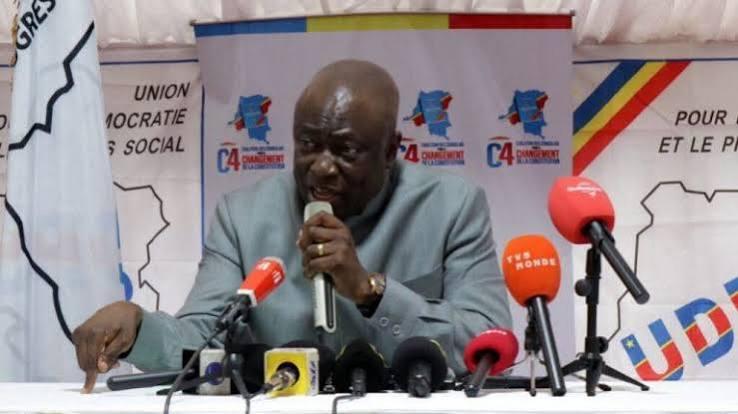
Augustin Kabuya, Secretary General of the UDPS, was quick to respond to Fayulu's remarks, labeling these statements as “falsehoods.” He emphasized that President Tshisekedi's actions were in line with the founding ideals of the party. “Attempts at manipulation will only strengthen our determination to pursue our political program,” he asserted.
The Impact on the Congolese Political Scene
These exchanges occur in a context where the DR Congo is already facing major economic and security challenges. According to analysts, this verbal escalation could further destabilize an already unstable political landscape. With the next elections scheduled for 2023, the question arises: how will these rivalries influence the stability of the country?
Previous attempts at reconciliation, including a meeting between Fayulu and Tshisekedi around a national dialogue initiative, appear to have failed to establish lasting peace. Sources close to both camps indicate that a lack of trust persists, fueled by personal ambitions and divergent political strategies.
For his part, Martin Fayulu continues to assert that he is the legitimate president elected by the Congolese people. His return to the political forefront is seen as an attempt not only to rally his supporters but also to openly challenge the current power. According to his close collaborators, he is even considering a national tour to galvanize his support ahead of the upcoming electoral deadlines.
An Uncertain Political Future
As the DR Congo navigates these troubled waters, citizens are concerned about the potential consequences on their daily lives. The growing polarization threatens not only the electoral process but also social cohesion in a country already burdened by decades of conflict.
According to several experts in African affairs, if no political solution is found quickly, the DR Congo could face a prolonged period of uncertainty that would hinder its economic and social development. The international community is also closely monitoring these developments, aware that stability in the DR Congo is crucial for the entire Great Lakes region.
Our editors' picks of what matters. Monday to Friday.
By subscribing, you accept our privacy policy.