Article
Preparing the article…
If a translation is needed, this may take a few seconds.
If a translation is needed, this may take a few seconds.
The Provincial Service of Fisheries and Livestock assures that its teams remain mobilized on the ground. Laboratory analysis results will be communicated as soon as they are available.
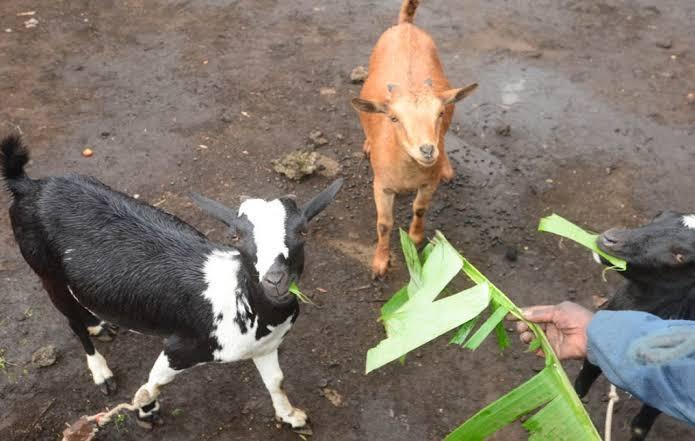
On Wednesday, August 13, 2025, Dr. Louange Kakule Ngitsi, head of the slaughterhouse office at the Provincial Division of Fisheries and Livestock, confirmed at a press briefing that suspected cases have been reported in Beni-City, Beni-Territory, Butembo, and Lubero.
"We have observed an alarming increase in deaths among goats and sheep, often preceded by high fever, severe diarrhea, mouth ulcers, and in some cases, pneumonia," he clarified.
Samples have been collected and sent to the laboratory to formally identify the cause of this epidemic. Initial findings, however, point toward Peste des Petits Ruminants.
Peste des Petits Ruminants is a viral disease that affects exclusively sheep and goats. Highly contagious, it can result in a high mortality rate and significantly impact milk and meat production, causing substantial economic losses for herders.
Faced with this threat, Dr. Kakule Ngitsi urges herders to redouble their vigilance and adopt preventive measures:
"These simple steps can make a difference and prevent the virus from spreading in our herds," he insists.
The Provincial Service of Fisheries and Livestock assures that its teams remain mobilized on the ground. Laboratory analysis results will be communicated as soon as they are available. In parallel, awareness-raising is being conducted with local communities to strengthen prevention.
The veterinarian also reminds of the importance of remaining vigilant against animal diseases transmissible to humans, such as anthrax or mpox.
"With each person's commitment, we can contain this disease and protect our livestock," concludes Dr. Kakule Ngitsi.
This alert is a strong signal sent to all herders in the region. Collaboration with veterinarians and animal health agents is essential to curb disease progression, avoid losses, and preserve public health.
Our editors' picks of what matters. Monday to Friday.
By subscribing, you accept our privacy policy.