Article
Preparing the article…
If a translation is needed, this may take a few seconds.
If a translation is needed, this may take a few seconds.
One month after the official declaration of the epidemic by Congolese authorities, the health situation in Bunia remains critical, with a constant increase in cases and deaths.

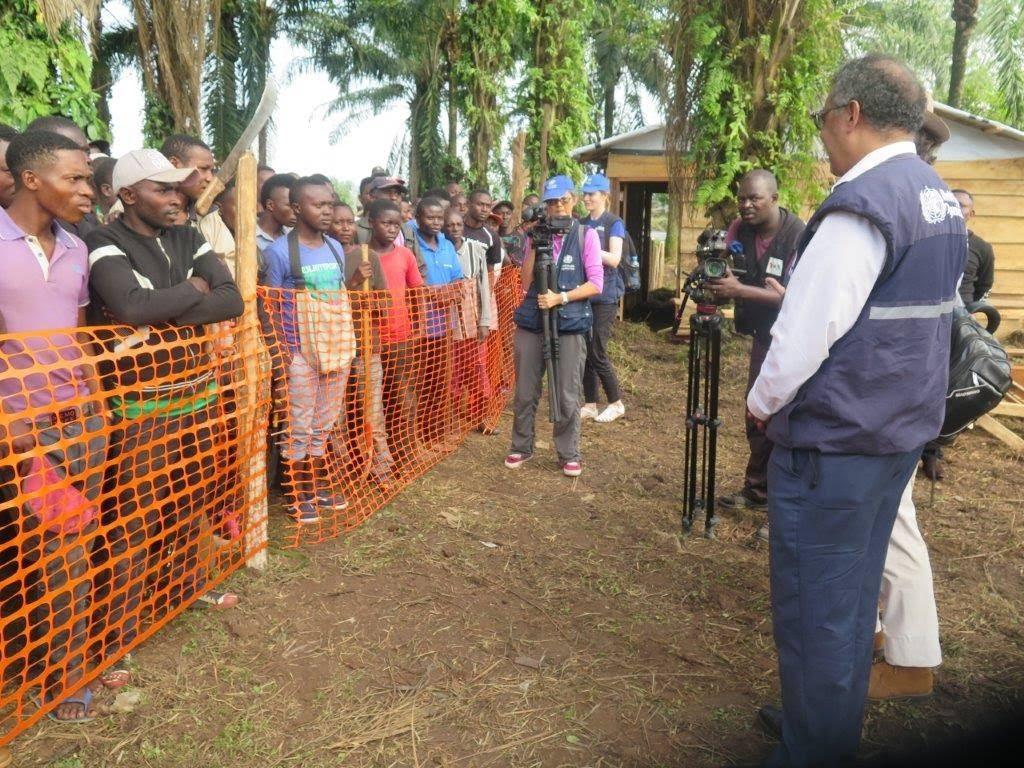
The city of Bunia, located in the Ituri province of the Democratic Republic of Congo (DR Congo), is facing an Ebola epidemic that appears to be out of control. One month after Congolese authorities officially declared the epidemic, efforts to contain the virus have failed to reverse the alarming trend.
According to a report from Afrique Télégraph, the World Health Organization (WHO) has recorded 56 confirmed cases of Ebola and 23 deaths since the beginning of this new epidemic. The provincial chief medical officer indicated that these numbers are increasing daily, illustrating the growing scale of the health crisis in this already fragile region.
Testimonies collected on the ground describe a catastrophic situation. "On the ground, it’s a disaster," reports a healthcare professional. Medical infrastructures are often overwhelmed and severely lacking in resources to cope with the increasing influx of patients.
According to Médecins sans frontières (MSF), security and logistical conditions further complicate the response to the epidemic. The persistent presence of armed groups in the region not only hinders the work of medical teams but also creates a climate of fear among local populations, who hesitate to go to treatment centers for fear of being attacked.
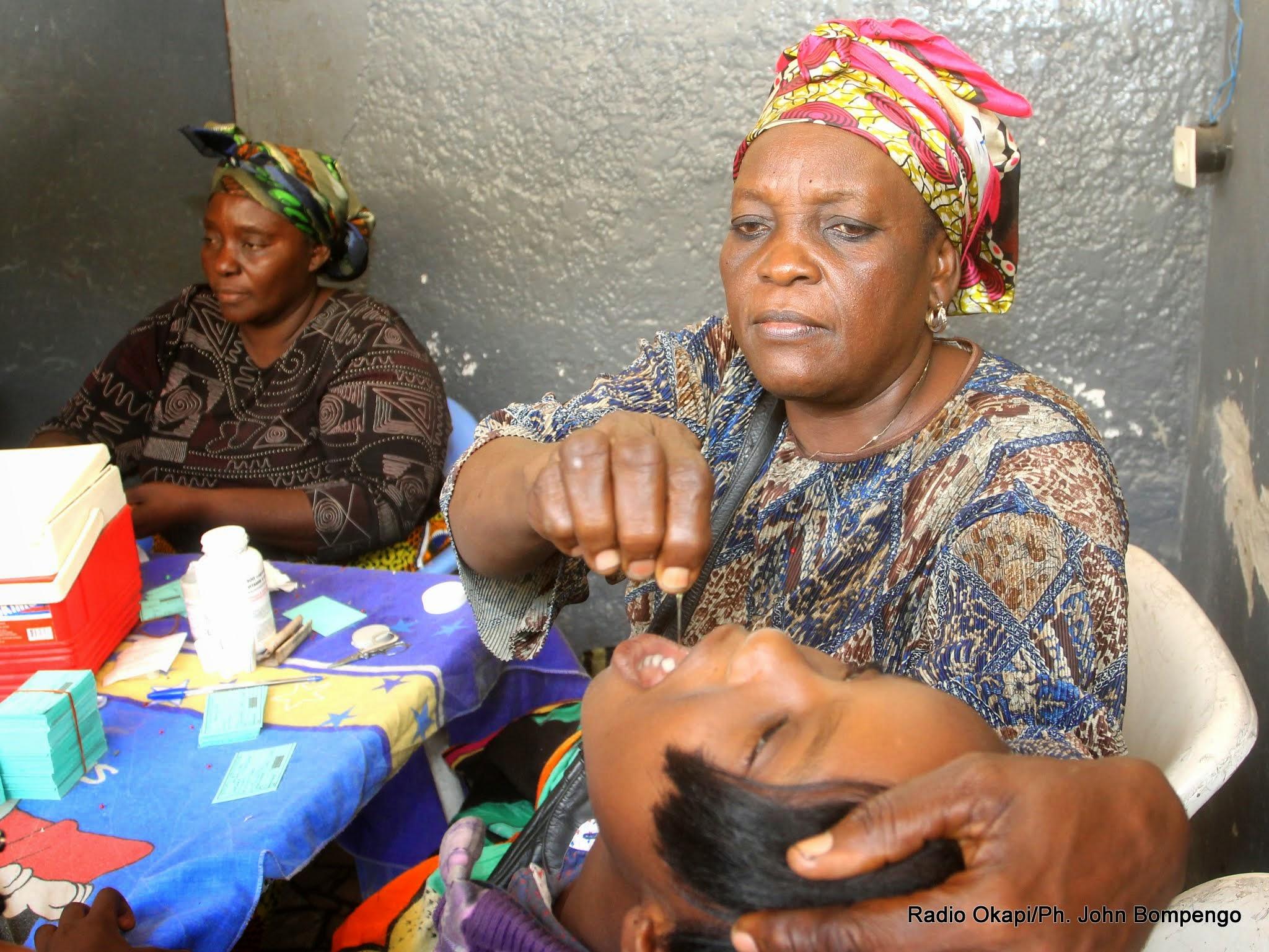
In a context where access to vaccines is crucial, MSF is calling for a rapid expansion of vaccination to prevent an even wider spread of the virus. The organization emphasizes that without a swift and effective intervention, the situation could deteriorate further.
Congolese authorities have organized several information campaigns to raise awareness among the population about preventive measures against Ebola. However, in the face of rising cases and a lack of trust in health institutions, these efforts seem insufficient to stem the current crisis.
Meanwhile, previous articles in our columns had already alerted to the persistent challenges related to epidemics in the DR Congo, particularly those mentioned in our March report on the precarious health conditions in the country. Internal struggles and insecurity continue to hinder any serious attempt to respond to this devastating disease.
As the international community watches with concern, the residents of Bunia find themselves at the heart of a battle for their health and safety. The need for a coordinated and effective response has never been more pressing.
Our editors' picks of what matters. Monday to Friday.
By subscribing, you accept our privacy policy.