Article
Preparing the article…
If a translation is needed, this may take a few seconds.
If a translation is needed, this may take a few seconds.
Since the official recognition of their religion, Rastafarian followers in Kenya have been fighting for the legalization of cannabis, which is central to their spiritual practices.
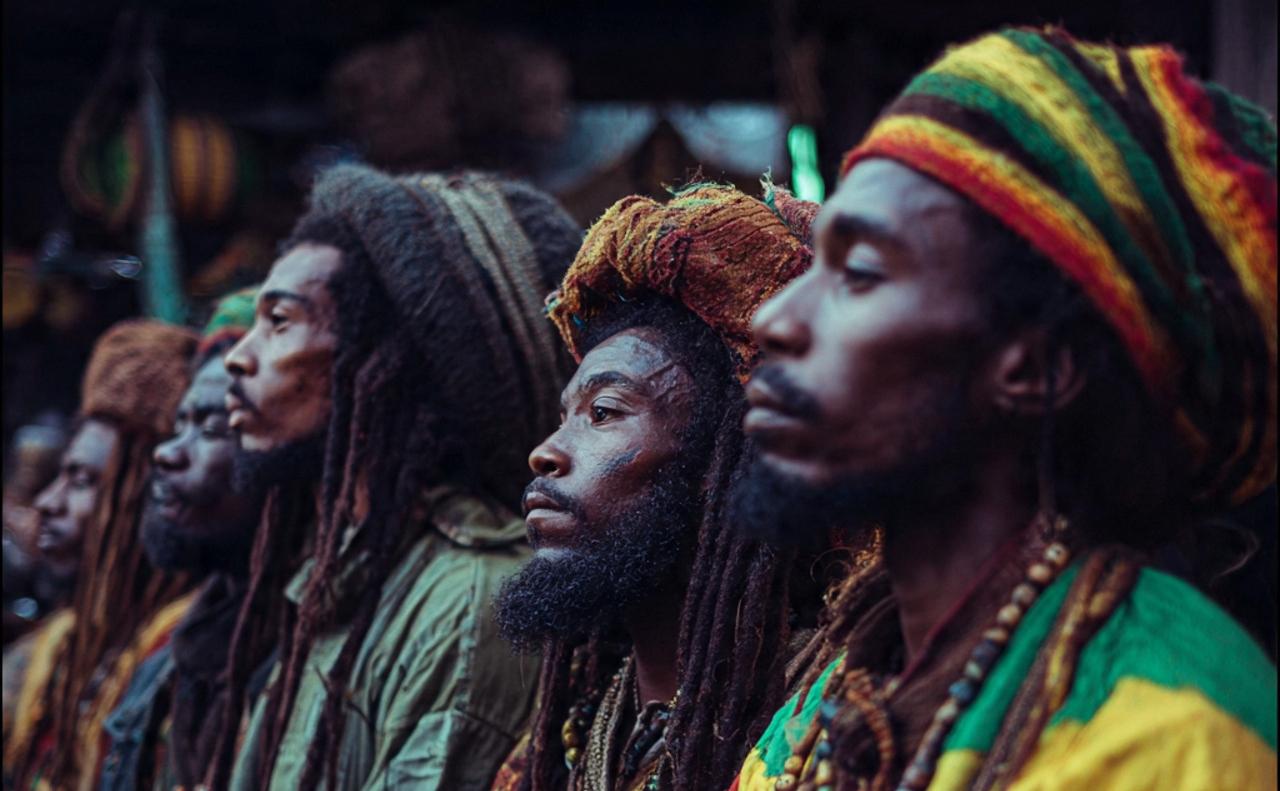
On the green hills of Nairobi, a group of men and women gathers peacefully around a campfire. The air is filled with a sweet and familiar scent. For these Rastafarian followers, cannabis is not just a plant; it is a sacred connection to the divine. In 2019, the Kenyan judiciary took a historic step by recognizing Rastafarianism as a fully-fledged religion. This decision paved the way for legal claims regarding the ritual use of cannabis.
The official recognition of Rastafarianism was seen as a major victory by its followers, but it did not resolve all issues. “Cannabis is for us a means of spiritual expansion,” explains Joshua Muiruri Kamau, a representative of a fund for Rastafarian religious schools. “It helps us enter a higher state of mind,” he continues, emphasizing the importance of this plant in their daily rituals.
The debate over cannabis legalization in Kenya is not limited to religious questions. It is part of a broader context where laws on controlled substances often clash with the cultural and spiritual practices of local communities. In March 2023, four religious organizations filed a complaint before the High Court of Kenya to contest the current ban on cannabis use. This legal action highlights the tensions between respecting religious rights and restrictive national laws.
According to Kamau, even some religious leaders from other faiths discreetly acknowledge the calming benefits of cannabis. However, they avoid publicly advocating for its legalization out of fear of social and political repercussions. “Many appreciate its calming effect, but they avoid talking about it,” he adds.
Regional and International Influence
The regional context also plays a crucial role in this debate. In neighboring countries such as Lesotho and South Africa, where medicinal cannabis was legalized in 2017 and 2018 respectively, Kenyan Rastafarians are closely watching these legislative developments that could influence their own struggle. The global cannabis market is expanding, offering new economic opportunities that could weigh in favor of legislative reform in Kenya.
According to economic experts, the legalization of cannabis could generate substantial revenue for the Kenyan economy through exports to international markets eager for African natural products. However, this economic perspective must be balanced with social and health concerns related to increased consumption.
The modern history of Rastafarianism dates back to the 1930s in Jamaica with Marcus Garvey advocating for a return to Africa. Over the decades, this movement has spread across the African continent where it has resonated with those seeking to reconnect with their cultural and spiritual roots. In Kenya, Rastafarianism has taken root among marginalized communities who viewed this faith as a means of resistance against colonial and post-colonial oppression.
The official recognition by the Kenyan judiciary in 2019 was therefore not just symbolic; it was the result of years of struggle for formal recognition that would allow followers to freely practice their religion without fear of persecution or arrest for cannabis possession.
A Fight for Religious Freedom
For Kenyan Rastafarians, the fight for the right to consume cannabis is inseparable from their quest for recognition and respect for their spiritual beliefs. They argue that the current ban hinders their religious practice and constitutes a violation of their right to freedom of worship guaranteed by the Kenyan constitution.
According to sources close to the ongoing legal case, this battle could have broader implications for Kenyan society where cannabis remains stigmatized despite its widespread presence in certain traditional African cultures.
As the debate continues within Kenyan society and judicial bodies, Rastafarians remain determined to make their voices heard. Their commitment reflects an unwavering desire to achieve not only religious freedom but also social reform that fully recognizes their cultural rights.
The potential implications extend well beyond Kenyan borders. In a world where several countries are revising their cannabis laws for medical or recreational purposes, the struggle of Rastafarians could serve as a catalyst for broader change across the African continent.
With a young and dynamic population open to progressive social changes, Kenya could well become a regional leader in cannabis policy if its leaders choose to listen to these marginalized yet resolute voices.
The Political Stakes: Towards Legislative Reform?
Politically, this debate takes place in a context where political parties must navigate between conservative tradition and progressive modernity. The question of cannabis is deeply divisive: some see its legalization as an economic opportunity while others fear it may encourage further recreational use among youth already vulnerable to illicit drugs.
Nevertheless, several parliamentarians are beginning to seriously consider this issue under increasing internal and external pressure — notably that dictated by the rapid evolution of international legislation on this sensitive yet economically promising subject.
Our editors' picks of what matters. Monday to Friday.
By subscribing, you accept our privacy policy.