Article
Preparing the article…
If a translation is needed, this may take a few seconds.
If a translation is needed, this may take a few seconds.
U.S. health aid proposals raise growing concerns across the continent.

The bilateral health aid agreements proposed by the United States under the Trump administration are increasingly criticized in Africa. According to an article published by Le Monde, these initiatives are perceived as an attempt to privatize health services, raising concerns about their impact on African populations.
Since the dismantling of the U.S. Agency for International Development, USAID, in January 2025, the United States has opted for an approach focused on individual agreements with African countries. This strategy, aimed at strengthening bilateral cooperation, has been criticized for its lack of transparency and its orientation towards commercial interests, particularly those of American pharmaceutical companies.
The new agreements, which replace the PEPFAR (President's Emergency Plan for AIDS Relief) program, no longer guarantee universal access to antiretroviral treatments. This raises fears about the continuity of care for millions of people living with HIV/AIDS in sub-Saharan Africa. Local health organizations are concerned about the impact these changes could have on the fight against this persistent epidemic.
Critics also emphasize that these agreements could exacerbate health inequalities on the continent. Indeed, the poorest countries risk finding themselves at the mercy of conditions imposed by American companies, which may prioritize their profits over public health needs.
“These agreements should not be seen as mere commercial opportunities, but as commitments to the health of African populations,” stated a representative of a non-governmental organization working in the health sector in Africa, according to Le Monde.
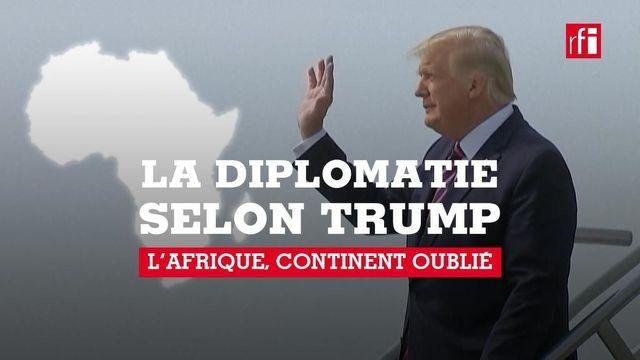
The concerns raised by these agreements are part of a broader context of questioning American influence in Africa. As previously reported by LE JOURNAL.AFRICA in the article “What Are the United States' Intentions in Africa?”, the United States is gradually losing its influence on the continent, while other powers, such as China, are strengthening their presence.
In the future, it will be crucial to monitor how these bilateral agreements evolve and what impact they will have on public health in Africa. African countries will need to navigate between funding needs and the often restrictive requirements of foreign partners, while ensuring access to care for their populations.
Our editors' picks of what matters. Monday to Friday.
By subscribing, you accept our privacy policy.