Article
Preparing the article…
If a translation is needed, this may take a few seconds.
If a translation is needed, this may take a few seconds.
The European Parliament has approved a controversial reform aimed at establishing return centers for rejected migrants, marking a turning point in European migration policy.

In a vote that could redefine the migration landscape of the continent, the European Parliament recently approved a major reform allowing the creation of "return centers" for rejected migrants, located outside the borders of the European Union. With 418 votes in favor and 218 against, this decision reflects a growing willingness within the EU to outsource the management of migration flows.
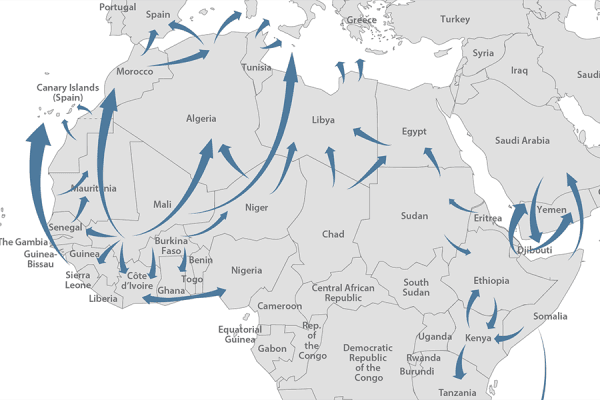
This initiative comes at a time when Europe is facing unprecedented migration challenges. According to statistics from Frontex, the European Border and Coast Guard Agency, approximately 330,000 illegal entries were detected at the EU's external borders in 2022, representing a significant increase compared to previous years. This ongoing pressure on European reception systems has led to intense debate on how the EU should manage these flows while respecting its human rights commitments.
Behind the Scenes of a BreakThe decision of the European Parliament is part of a broader trend aimed at outsourcing responsibilities related to migration. Denmark, for example, has recently legislated to allow the transfer of asylum seekers to third countries such as Rwanda. However, this approach has sparked sharp criticism. According to Amnesty International, these practices risk leading to systematic violations of human rights, exacerbating the suffering already endured by migrants.
The new centers envisioned by the EU would be designed to temporarily accommodate migrants until their definitive removal from European territory. However, this measure raises major ethical concerns. According to Human Rights Watch, there is a high risk that these facilities could quickly become overcrowded and lack the necessary resources to ensure dignified and humane treatment.
The Economic Argument No Longer HoldsFrom an economic perspective, some member states argue that these centers could reduce costs related to processing asylum applications on their own soil. However, according to several European economists interviewed by Reuters, this strategy could prove costly in the long term if it leads to further deterioration of relations with key African partners.
Indeed, several African countries have already expressed their reluctance towards this outsourcing model. At a recent conference organized by the African Union (AU), several leaders emphasized that their continent should not be seen as an easy solution to European migration problems. According to them, accepting these centers could exacerbate their own socio-economic and security challenges.
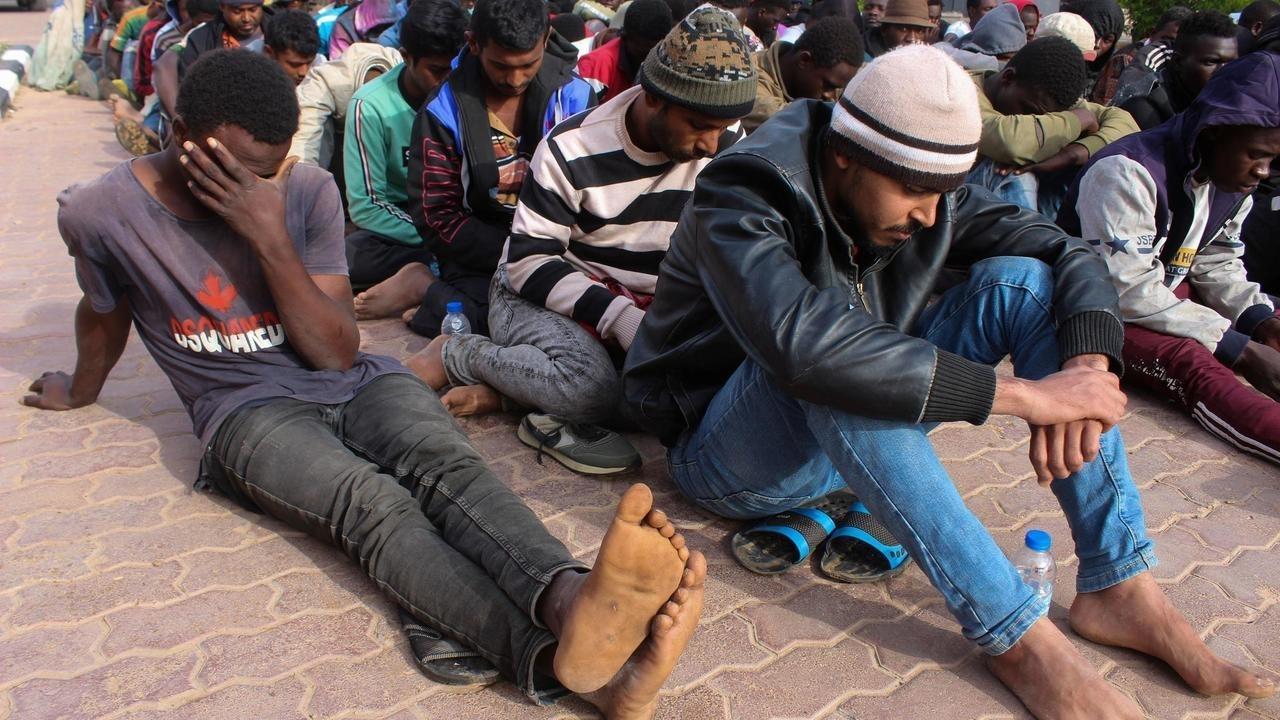
An Urgent Humanitarian IssueHumanitarian organizations are particularly concerned about this new direction in European policy. They remind us that in some previous similar cases—such as that observed in Libya—the conditions in which migrants live can be inhumane and severely violate their fundamental rights.
According to Médecins Sans Frontières (MSF), "People held in these centers are often deprived not only of adequate access to medical care but also of the fundamental right to seek asylum." A situation that could recur if no strict legal framework is established before the effective creation of these new structures.
A Divided Political ResponseStill divided on this sensitive issue regarding external migration control through the establishment of community off-shore centers; public opinion remains polarized on whether or not this truly constitutes a sustainable solution to the current crisis affecting our neighboring Sahelian continent.
However, despite the internal divergences observable among various European political parties; a consensus seems to be gradually emerging around the absolute necessity to reform the current system that has become obsolete and ineffective. Thus, many experts assert that it is now the responsibility of national and regional political leaders to work hand in hand to develop a coherent common strategy that respects shared democratic values.
What Future for Europe?Even as tensions persist between defenders of national security and the protection of territorial integrity; proponents of international solidarity and intercontinental cooperation continue to advocate for universal humanitarian causes through fervent public appeals and increased citizen mobilization across social media and traditional media alike.
Ultimately, the only certainty lies in the undeniable fact that the political future of migration in the European Union will largely depend on the ability of supranational institutions to quickly adapt to rapid changes in the complex global geopolitical context.
In conclusion, far from being a mere secondary technical administrative adjustment; the recent adoption of legislative reform in Strasbourg represents a historic turning point likely to profoundly influence the way civil society perceives the crucial role played by the community body in managing contemporary transnational phenomena such as international migrations.
Our editors' picks of what matters. Monday to Friday.
By subscribing, you accept our privacy policy.