Article
Preparing the article…
If a translation is needed, this may take a few seconds.
If a translation is needed, this may take a few seconds.
Facing a building sector responsible for 37% of global CO2 emissions, Africa could become a global leader in sustainable construction.
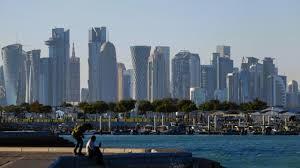
With 37% of global CO2 emissions attributable to the building sector, according to RFI, the need to transform construction methods has become urgent. Worldwide, and particularly in Africa, the demand for infrastructure continues to rise, posing the challenge of reducing environmental impact while meeting growing needs.
A tremendous potential for sustainable transformation
In Africa, where infrastructure challenges are numerous and growing with a booming population, the potential to decarbonize the building sector is considerable. The African population is rapidly increasing, intensifying the demand for housing. This dynamic could turn into a unique opportunity to adopt sustainable construction practices that respect the environment.
According to the International Energy Agency, Africa has the capacity to become a global model for low-carbon habitats. By utilizing local materials and adopting renewable energies, African countries can not only meet their infrastructure needs but also play a crucial role in the fight against climate change.
Green initiatives on the continent
In previous pages, we highlighted that to meet the ambitious goals of the Paris Agreement, it is imperative for African states to turn to clean energies and optimize their energy consumption. This strategic direction is even more crucial today as decarbonization is at the center of global concerns.
The recent renewable energy forum highlighted several emerging green initiatives on the continent. In South Africa, for example, more than 600 buildings are already certified according to rigorous ecological standards. These innovative projects are multiplying and demonstrate a clear willingness to move towards a more sustainable future.
Persistent challenges and paths forward
However, despite these significant advances, challenges remain. The implementation of effective policies and adequate financing to support these sustainable projects are major obstacles. African governments must not only create a regulatory framework conducive to this energy transition but also attract substantial investments to support this transformation.
In conclusion, Africa has the potential not only to improve its own infrastructure but also to drive global change in the building sector. For decarbonization to become a tangible reality on the continent, it is essential that all local stakeholders fully commit to this path towards sustainable construction.
Our editors' picks of what matters. Monday to Friday.
By subscribing, you accept our privacy policy.