Article
Preparing the article…
If a translation is needed, this may take a few seconds.
If a translation is needed, this may take a few seconds.
A seroprevalence report presented last week shows that Burundi is making good progress in its fight. By 2030, it will have zero new infections, zero deaths, and zero discrimination linked to HIV, according to this 2016-2017 report. Indeed, this country will be in line with the objectives of the 90-90-90 acceleration response…
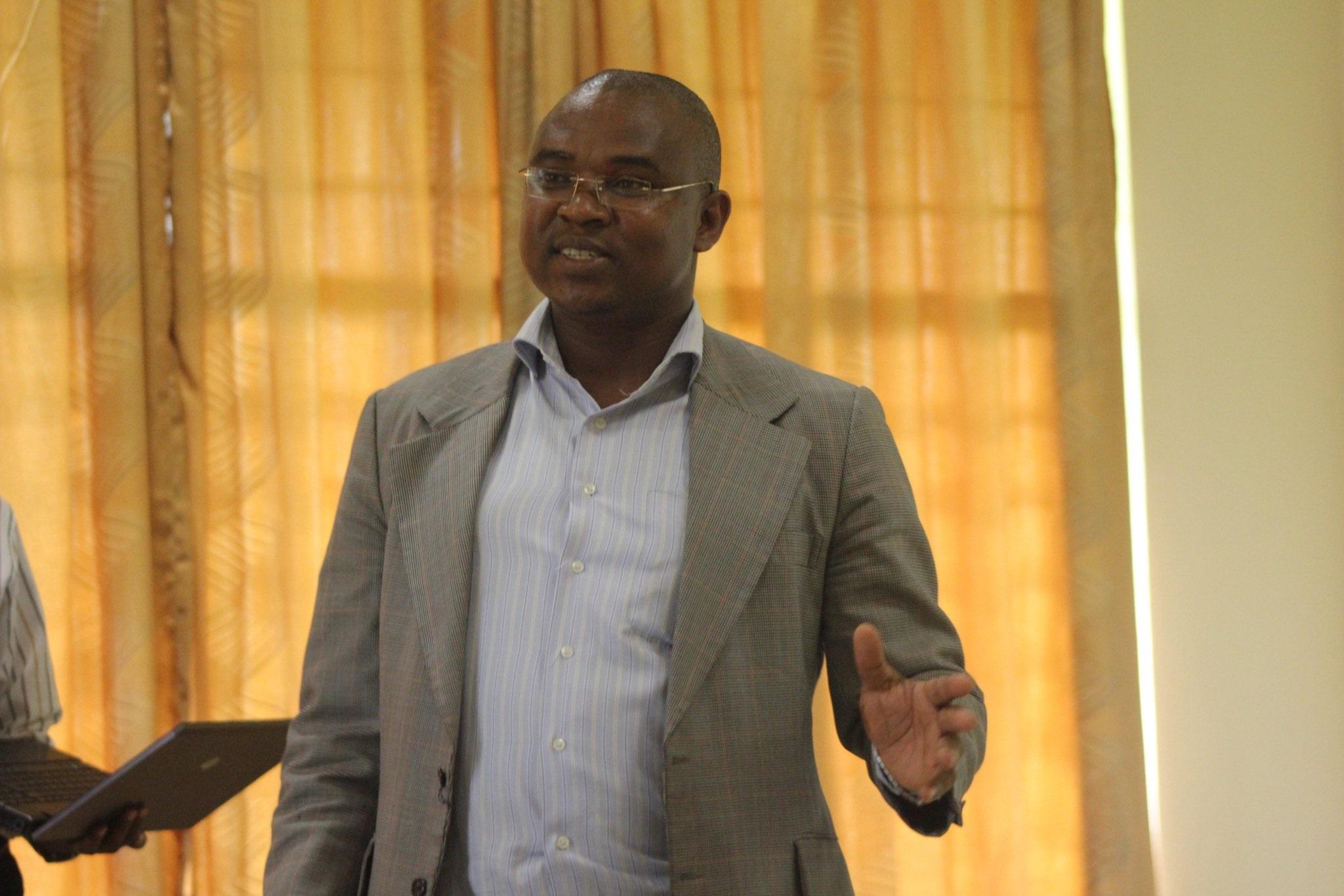
In fact, this country will be in line with UNAIDS' 90-90-90 and 95-95-95 acceleration response objectives. To this end, with a view to 2030, 90% of Burundians will know their serological status.
During a media workshop, Dr. Ndayizeye Aimé, Director of the National AIDS Control Program, presented the statistics. Currently, Burundi is reported to have achieved 81% of UNAIDS' 90-90-90 and 95-95-95 objectives. However, the figures show a marked decline in new infections, from 6% in 2002 to 0.9% in 2017.
The efforts made by the government and its partners through the formulation of a national and effective response are strong. They were based on a multisectoral and decentralized approach.
START FREE: Eliminate new HIV infections in children aged 0 to 14 years. And reduce the number of newly infected children each year. It provides treatment to 95% of pregnant and breastfeeding women living with HIV+.
► Read: World AIDS Day: improvement in treatment access (UNAIDS)
STAY FREE: Reduce the number of new HIV infections among adolescents and young women aged 10-24 years.
AIDS FREE: All people living with HIV should have access to antiretroviral treatment. The goal is to remain free of AIDS and reduce their risk of further transmission to an uninfected partner.
Among the challenges cited by Dr. Ndayizeye Aimé are:
– Insufficient funding for the national AIDS control policy (need to mobilize internal and external resources).
– Existence of groups at higher risk of infection generating new infections.
– Poor continuity of HIV services for the mother-child couple;
– Some treatment abandonment or irregular medication intake.
To achieve its objectives, the government of Burundi and its partners must focus on high-risk groups. These include prisoners, fishermen, and uniformed personnel. But also four strategies are previously predefined. However, these are the self-testing strategy, index testing, targeted screening, and the involvement of community leaders.
By Freddy bin Sengi
Our editors' picks of what matters. Monday to Friday.
By subscribing, you accept our privacy policy.