Article
Preparing the article…
If a translation is needed, this may take a few seconds.
If a translation is needed, this may take a few seconds.
The rise of xenophobic tensions in South Africa is leading to a significant boycott from African supporters, threatening to overshadow the atmosphere of the 2026 World Cup.

In Johannesburg, the kickoff of the 2026 World Cup has taken place in a particular atmosphere. The Bafana Bafana, the South African national team, began their global campaign under the watchful eye of the world, but with noticeably diminished local and continental support. According to a report by RFI, this lack of enthusiasm is primarily due to recent xenophobic protests that have shaken the country, prompting many African supporters to boycott matches of the South African team.
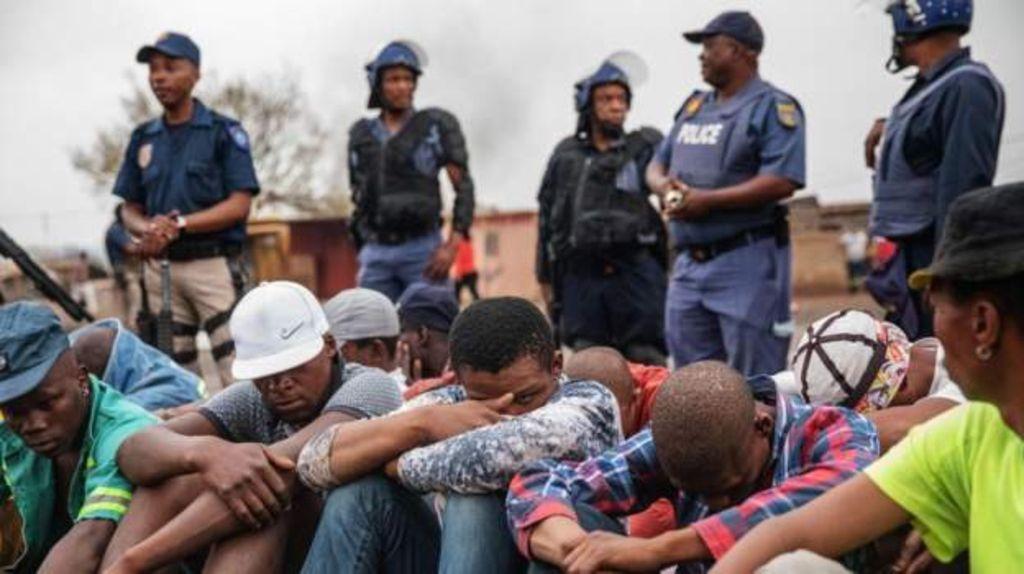
Xenophobic tensions in South Africa are not new. For several years, the country has faced sporadic waves of violence against migrants, primarily those from other African countries. These events have not only tarnished the international image of the rainbow nation but have also exacerbated internal divisions. Violent incidents have been reported in several major cities, where businesses owned by foreigners have been vandalized and set on fire.
A Tense Social ClimateAnti-migrant protests have intensified in recent years, creating a tense social climate between local communities and migrants from other African nations. South Africans themselves appear divided on the issue. On one hand, some express solidarity with their foreign-born compatriots by refusing to wear national colors during matches; on the other hand, a radical fringe continues to blame migrants for local economic difficulties.
Reflecting on recent history, it is remembered that xenophobic violence had already peaked in 2008 and 2015. Those years saw brutal attacks against foreigners residing in South Africa, resulting in several dozen deaths and forcing thousands to flee their homes for refuge in temporary camps or to return to their countries of origin.
The South African government had then promised a series of reforms to improve the social and economic integration of migrants. However, despite some notable progress in certain urban areas, the persistence of economic inequalities has continued to fuel distrust towards foreigners perceived as competitors in the job market.
Impact on Sports PerformanceThis boycott could have significant repercussions on the performance of the Bafana Bafana during the global tournament. Historically, popular support plays a crucial role in the psychological dynamics of sports teams. An enthusiastic crowd can galvanize a team and turn the tide of a close match. Conversely, a notable absence of supporters can undermine the morale and motivation of players on the field.
Although the South African team has shown certain potential during preparatory matches and has some promising talents among its ranks, it may find it difficult to find its rhythm without the fervent support it was accustomed to during previous national competitions. First impressions often count significantly in a prestigious competition like the World Cup.
The Political and Social StakesIn March, we documented South Africa's declared ambitions to position itself as a sporting leader on the African continent. Successfully hosting international sporting events was an integral part of this strategy to enhance its regional diplomatic and economic stature. However, this boycott seriously calls into question this ambition by highlighting internal fractures within the country.
The South African authorities have not been slow to react to this concerning situation. They have made multiple calls for national unity and solidarity among all communities living on its soil. Yet these efforts seem insufficient to fully ease the growing tensions fueled by various local socio-economic factors such as high unemployment and unequal wealth distribution.
The South African Economy Under PressureThe South African economy is also under pressure due to these persistent social tensions. The growing negative perception of South Africa could deter some potential foreign investors who fear for their safety as well as that of their expatriate employees operating locally in various key economic sectors such as mining or telecommunications.
On the other hand, some analysts believe that such a situation could further push Pretoria towards greater internal economic protectionism in an attempt to compensate for financial losses resulting from the expected decline in foreign direct investment (FDI) following recent events, especially in major urban areas such as Johannesburg, Pretoria, Durban, Cape Town, etc.
What Future Awaits?As this 2026 edition unfolds under high international media tension—particularly regarding the treatment of migrants—it remains uncertain how exactly Pretoria will manage this delicate issue beyond the strictly immediate sporting framework offered by this unique global event that is each quadrennial edition organized by FIFA since its initial creation nearly a century ago.
Our editors' picks of what matters. Monday to Friday.
By subscribing, you accept our privacy policy.