Article
Preparing the article…
If a translation is needed, this may take a few seconds.
If a translation is needed, this may take a few seconds.
In Abidjan, the African Union highlights the crucial importance of fundamental learning for the continent's development in a report that addresses educational challenges.
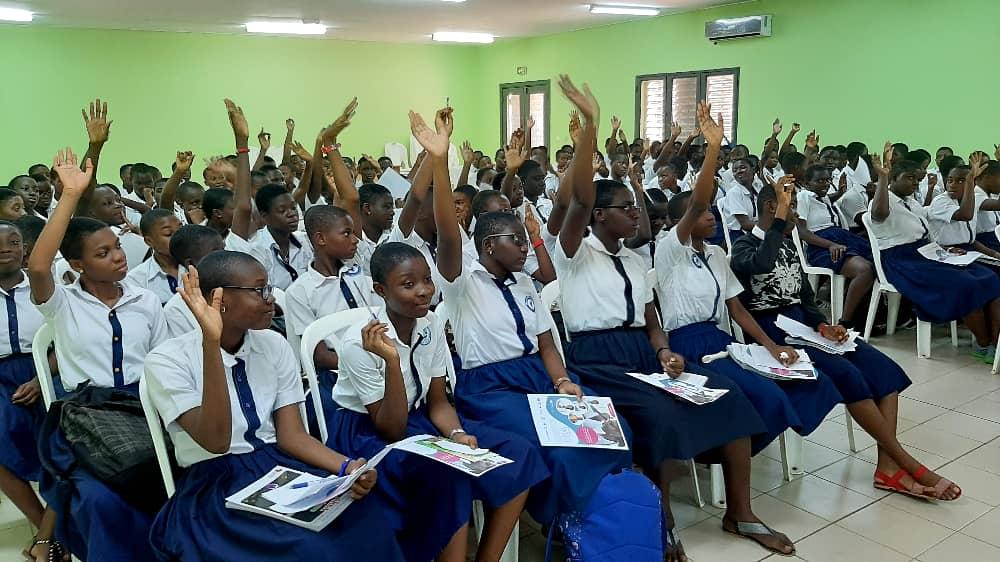
In the splendid setting of Abidjan, the economic capital of Ivory Coast, a significant event recently took place under the auspices of the African Union (AU). The Commissioner for Social Affairs of this continental institution unveiled the report titled "In Focus", a strategic document that highlights the challenges and priorities regarding education in Africa. This report emphasizes the need to strengthen fundamental learning as a cornerstone of sustainable development across the continent.
According to the official statement from the African Union, this report is part of a broader initiative aimed at transforming African educational systems. Fundamental learning is now promoted as a priority not only for Ivory Coast but for the entire continent. This new strategic direction has been widely welcomed by the experts present at the launch in Abidjan.
The Commissioner strongly stated: "This report sheds light on certain weaknesses we have observed in the educational system at the continental level." She insisted that without a solid elementary education, the quality of secondary and higher education cannot be guaranteed. This statement resonates particularly in a context where African educational systems are often criticized for their lack of effectiveness and unequal access.
Persistent ChallengesThe "In Focus" report highlights several major challenges. Among these, there is an alarming rate of children left behind in their learning as well as a significant disparity between urban and rural areas in terms of access to quality education. These issues are exacerbated by long-standing socio-economic inequalities in the country.
Rural areas in Ivory Coast, for example, often suffer from a severe lack of adequate school infrastructure and sufficient educational resources. According to previous data shared by our editorial team in March 2022, these gaps have a direct impact on the quality of education provided to children living in these remote regions.
The Commitment of the Ivorian GovernmentIn response to these concerning findings, the Ivorian government has reacted positively to this continental initiative. It has announced a series of concrete measures aimed at strengthening basic education. Among these are significant investments in school infrastructure and ambitious programs for the continuous training of teachers. These efforts aim not only to improve the current situation but also to establish a solid foundation for a more equitable and inclusive educational system.
The Ivorian Minister of National Education stated: "We are determined to ensure that every child has access to quality education, no matter where they are in Ivory Coast." This statement reflects a strong political will that could inspire other African nations facing similar challenges.
Fundamental Education: Key to Sustainable DevelopmentThe emphasis on fundamental learning is not insignificant. According to various analysts, investing in solid primary education is crucial for breaking the intergenerational cycle of poverty and ensuring sustainable development. Indeed, a robust educational foundation enables young generations not only to acquire essential skills but also to actively participate in the economic and social development of their respective countries.
The African Union hopes that this report will serve not only to raise awareness but also to encourage African governments to take bold measures to reform their educational systems. The challenge is immense but not insurmountable if all stakeholders are resolutely committed to this path.
A Pan-African VisionThe initiative led by the African Union is not limited solely to Ivory Coast. It is an integral part of a broader pan-African vision aimed at harmonizing and improving educational systems across the continent. By promoting a collaborative approach among African nations, this strategy also aims to share best practices and innovations that could radically transform the African educational landscape.
In this context, several countries have already expressed interest in adopting similar reforms inspired by the "In Focus" report. Regional initiatives could emerge to pool available resources and expertise, thereby strengthening the continent's collective capacity to address its numerous educational challenges.
Historical Context: Evolution of Educational PoliciesRecent history shows that Ivory Coast has experienced several critical phases regarding its educational system. After gaining independence in 1960, the country relied on education as the main lever for national development under the presidency of Félix Houphouët-Boigny. However, the 1980s marked a turning point with economic crises that drastically reduced budgets allocated to the educational sector.
However, since the 2000s, with the gradual end of internal conflicts that ravaged the country for nearly a decade, there has been a renewed interest in revitalizing this essential sector. International partnerships have been established, notably with UNESCO and various non-governmental organizations, to restore and modernize school infrastructures that were destroyed or neglected during these troubled times.
Economic and Social ImplicationsImproving the Ivorian educational system could have significant economic implications not only at the national level but also regionally. A better-trained workforce is essential to attract more foreign direct investments (FDI), promote local innovation, and stimulate sustained economic growth.
From a social perspective as well, reducing educational disparities directly contributes to strengthening the national social fabric; it particularly fosters better social cohesion among different ethnic communities often divided by these long-standing structural inequalities. This could also have a positive impact on overall political stability, as a well-educated population tends to engage more actively in civic participation and promote fundamental democratic values necessary for maintaining regional and even international peace.
Our editors' picks of what matters. Monday to Friday.
By subscribing, you accept our privacy policy.