Article
Preparing the article…
If a translation is needed, this may take a few seconds.
If a translation is needed, this may take a few seconds.
In Burundi, the unequal distribution of healthcare personnel is a problem. Since 2011, 53% of doctors and 50% of nurses work in the city of Bujumbura, which accounts for only 10% of the population. 61% of nurses are insufficiently trained while CDSs (Community Health Centers) make up 93% of FOSAs (Health Facility Organizations) in Burundi.
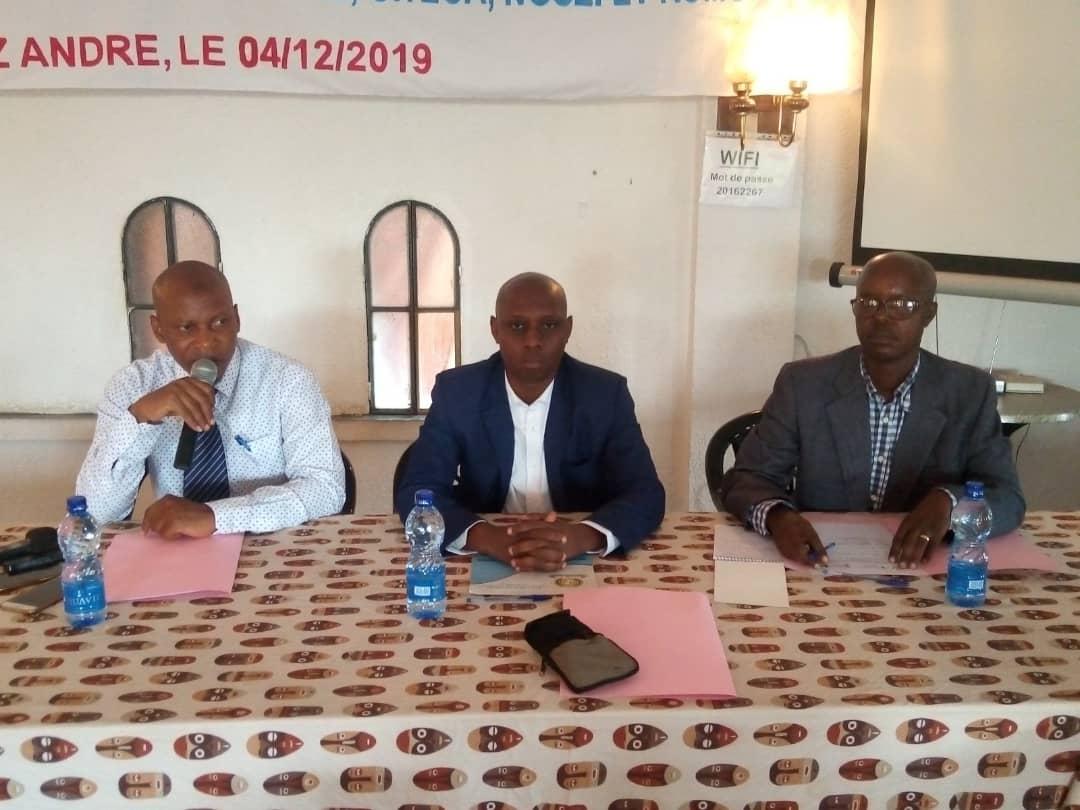
For ABUCO, the situation had long been overlooked at a time when it requires improvement because it poses problems in terms of the quality of care provided to patients.
Other factors such as medicine prices, the availability of prescribed medicine and equipment contribute to the quality of care delivered.
The situation is confirmed by Dr. Jacques Niyonkuru, head of the department of health supply and demand within the Ministry of Public Health and the Fight Against AIDS, who in turn urged this association to broaden the scope of its work by extending coverage to the entire national territory. Dr. Jacques Niyonkuru justified this by stating that health is everyone's concern and not just the ministry's.
ABUCO's recommendations
This NGO is calling on the government to invest much more in raising public awareness about the use of the Health Insurance Card (CAM).
It calls on stakeholders in the field to work in synergy to improve the quality of services.
"The Alma Ata Declaration on Primary Health Care of 1978 defined health as a state of complete physical, mental and social well-being, and launched a mobilizing slogan: 'Health for All by the Year 2000'.
By Freddy bin SENGI
Our editors' picks of what matters. Monday to Friday.
By subscribing, you accept our privacy policy.