Inkuru
Iriko ihindurwa…
Niba ihinduka rikenewe, bishobora gufata amasegonda makeyi.
Niba ihinduka rikenewe, bishobora gufata amasegonda makeyi.
Ibimenyetso vy'ikinyagihumbi ca kera mu Sahara bigaragaza ingaruka z'ihindagurika ry'ibihe ku isi yacu.
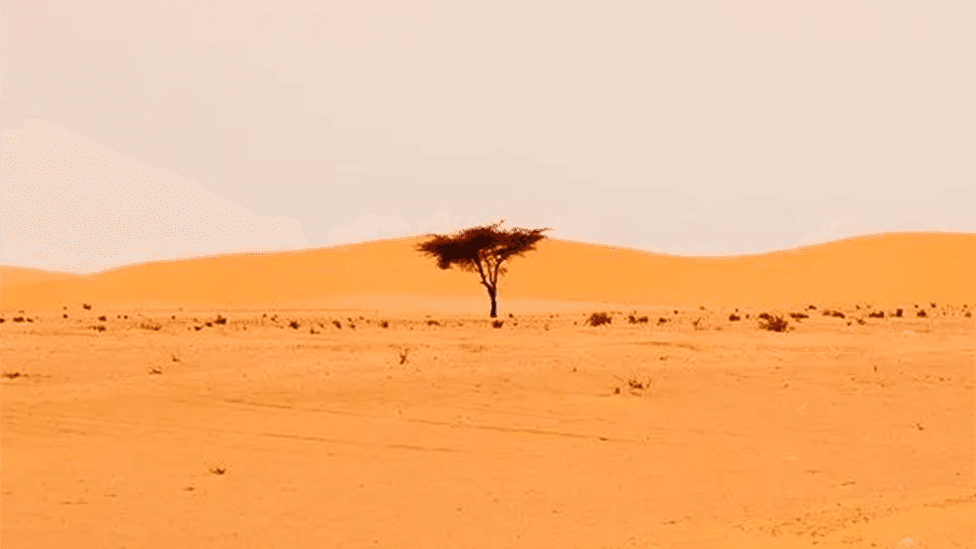
Sahara, ubu ifatwa nk'igihingamw'ikibanza kinini c'ubushuhe, ibika mu mutima wayo ibimenyetso vy'ikinyagihumbi aho yari ahantu h'uburimyi. Iyi ngingo iragaragazwa n'ihindagurika ry'ibihe ryahinduye atari iyi karere gusa, ahubwo n'isi yose mu myaka myinshi ishize.
Selon un reportage de DW, Sahara yaciyemwo ibihe vy'uburimyi, bigaragaza ihindagurika ry'ibihe rikomeye ryagize ingaruka ku miterere yayo. Amashakashatsi y'ibiyaga yerekana ko ibihe vy'ubushuhe vyatumye ibihingwa bitandukanye bigira ubuzima muri iyi karere kera kabarirwamo ubukungu bw'ibihingwa.
Abashakashatsi bahuriza ku kintu kimwe ko izi mpinduka atari iz'igihe gito gusa. Nk'uko vyerekanywe mu raporo yasohotse ku munsi w'imbere y'Inama y'Igihugu ku Mikoreshereze y'Ibikorwa vy'Ikirere ya ONU mu 2019, ibigo vy'isi vyita ku mikoreshereze y'ikirere bigaragaza ikinyuranyo gikomeye hagati y'intego zo kurwanya ihindagurika ry'ibihe n'ukuri kw'ibiri kuba. Iyi mpinduka igaragaza akamaro ko gufata ingingo mu gihe cyo kurinda ibidukikije bikeneye ubufasha, harimwo n'ibyo nk'ibihingamw'ikibanza ca Sahara.
Mu gihe kimwe, ikibazo c'ibikoresho bikomeye kiragenda gifata umwanya munini mu biganiro ku bidukikije. Ibi bikoresho ni ingenzi mu guhindura ingufu z'isi, ariko gukurura no gukoresha vyabyo bitera impungenge zikomeye ku bidukikije. Ibihugu vy'Afurika bifite ibikoresho byinshi bigomba kugenda hagati y'iterambere ry'ubukungu no kurinda ibidukikije vyabo bikeneye ubufasha.
Amakuru y'ibinyamakuru vyahora avugwa mu nyandiko yerekana ko ibikoresho vy'ibinyabuzima bigenda bigabanuka ku mugabane w'Afurika. Amazi, urugero, arakomeza kuba ikintu c'agaciro mu bice byinshi byangijwe n'ihindagurika ry'ibihe n'ibihinduka. Ikibazo ca Sahara kiragaragaza neza iyi ngingo aho amateka y'ibidukikije agaragazwa n'ibice vy'ukwuma n'ubushuhe.
Gufata mu mutwe ibibazo nk'ibi ni ngombwa. D'après les experts, kumenya ihindagurika rya Sahara n'ibihe vyayo vy'uburimyi bishobora gutanga inzira zo gucunga neza ibikoresho biriho ubu no gutegura ingaruka z'ihindagurika ry'ibihe mu gihe kizaza.
Sahara si igihingamw'ikibanza gusa; ni ishusho y'ibibazo vyashize mu guhangana n'ihindagurika ry'ibihe. Ibimenyetso vyayo vy'uburimyi bitwibutsa ko Isi yaciyemwo ibihinduka bikomeye cane kuruta ivyo tuzi uyu munsi. Ku bw'ibikurubikuru, ni ngombwa kwiga ku masomo y'ibihe vyashize kugira ngo turinde isi yacu.
Amakuru ahambaye yatoranijwe n'abanditsi bacu. Kuva ku wa mbere gushika ku wa gatanu.
Mu kwiyandikisha, wemera politike yacu y'ibanga.