Ebola: Strong controversy over new vaccine
Debate is raging over proposals to introduce a second vaccine to combat Ebola in the Democratic Republic of Congo (DRC). Dr Oly Ilunga, the former Health Minister of the DRC, who resigned after the creation of an Ebola crisis management unit attached to the Congolese presidency,…
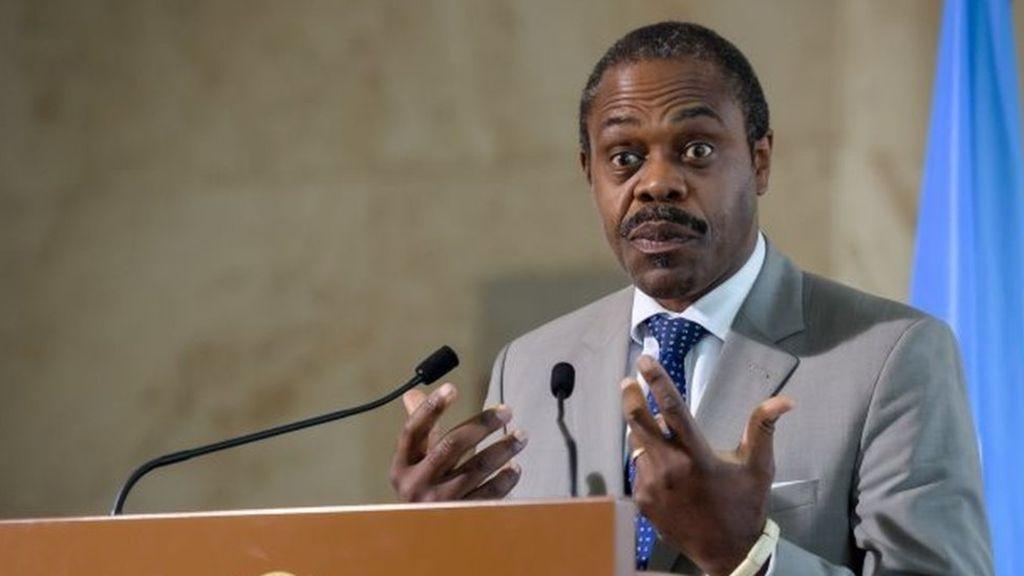
Dr Oly Ilunga, the former Health Minister of the DRC, who resigned after the creation of an Ebola crisis management unit attached to the Congolese presidency, has stated that the current vaccine (rVSV-ZEBOV) is the only one that has proven effective against Ebola.
An opposition deputy has stated that the new vaccine is untested, and fears that the country's inhabitants will be used as guinea pigs.
Prominent health experts assert that the second vaccine is safe and that it could be an important tool to slow the spread of the virus.
What then are the concerns around this new vaccine and are they justified?
Also read
An experimental vaccine against Ebola in Uganda
Congolese "will be guinea pigs for Ebola"
Ebola: Rwanda reopens its border with the DRC
Tested and used?
It has been tested on 6,000 people and "gave exceptional results," says Professor Peter Piot, an expert in Ebola hemorrhagic fever and director of the London School of Hygiene & Tropical Medicine.
The physician participated in the development of the vaccine by pharmaceutical company Johnson & Johnson.
Studies have shown that although the vaccine is still in the experimental phase and has not been tested on patients with Ebola, it has proven highly effective in tests on primates (animals genetically close to humans).
The only way to test it on humans is to use it in an epidemic outbreak scenario because it would not be wise to test the vaccine on volunteers infected with the virus.
This is how the first vaccine — from pharmaceutical company Merck & Co — was successfully deployed in Guinea in 2015.
It was authorized without a license by the governments of affected countries given that no other option was available.
World Health Organization (WHO) data shows that the Merck vaccine efficacy rate is 97.5% in vaccinated people compared to those who are not.
The WHO states that this vaccine has proven safe and effective against Ebola, but that further trials are still necessary for it to be licensed.
We are therefore in the same situation with the new vaccine as with the one used in 2015.
All indications suggest that it is safe and that it could be effective, but it has not been tested in an epidemic outbreak scenario and has not been licensed.
Image copyright Getty Images
Are there enough vaccines?
If there is already a vaccine that has proven effective against Ebola, why not administer more of it?
In July, the WHO Emergency Committee stated that it "recognizes the shortage" in the supply of Merck's vaccine.
Dr Josie Golding of the Wellcome Trust says it is likely that there will not be enough vaccine to deal with the current epidemic.
"If that were the case, it would have devastating consequences. We firmly believe that there is an urgent need to deploy and evaluate the second Ebola vaccine, developed by Johnson and Johnson."
In the short term, the available doses of the vaccine may be sufficient, but not if the epidemic persists.
Pharmaceutical company Merck states that there is enough vaccine to immunize nearly 500,000 people and that it is producing more.
Approximately 1.5 million doses of the vaccine are available. There are approximately 10 million people in the two provinces affected by Ebola in the DRC.
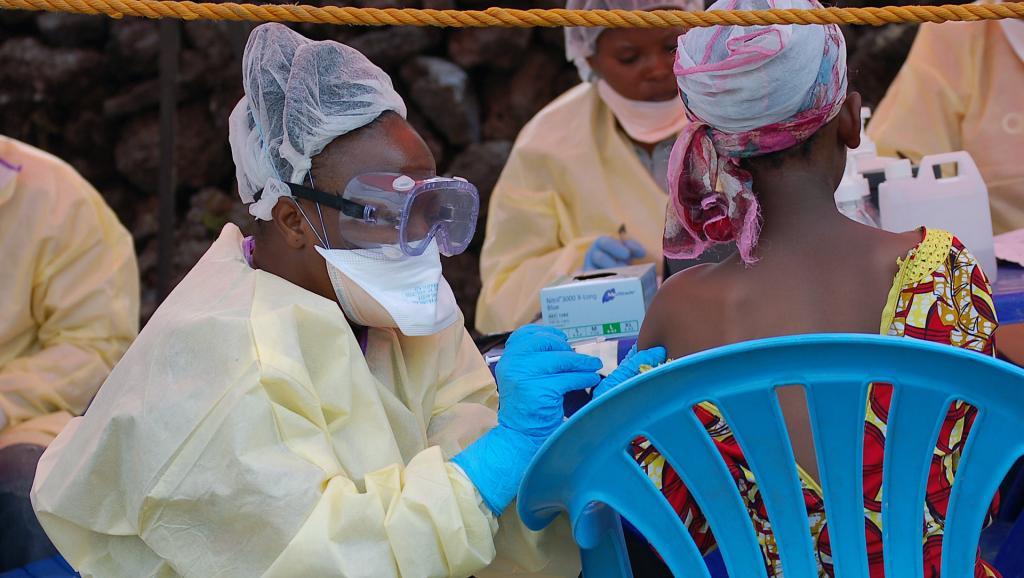
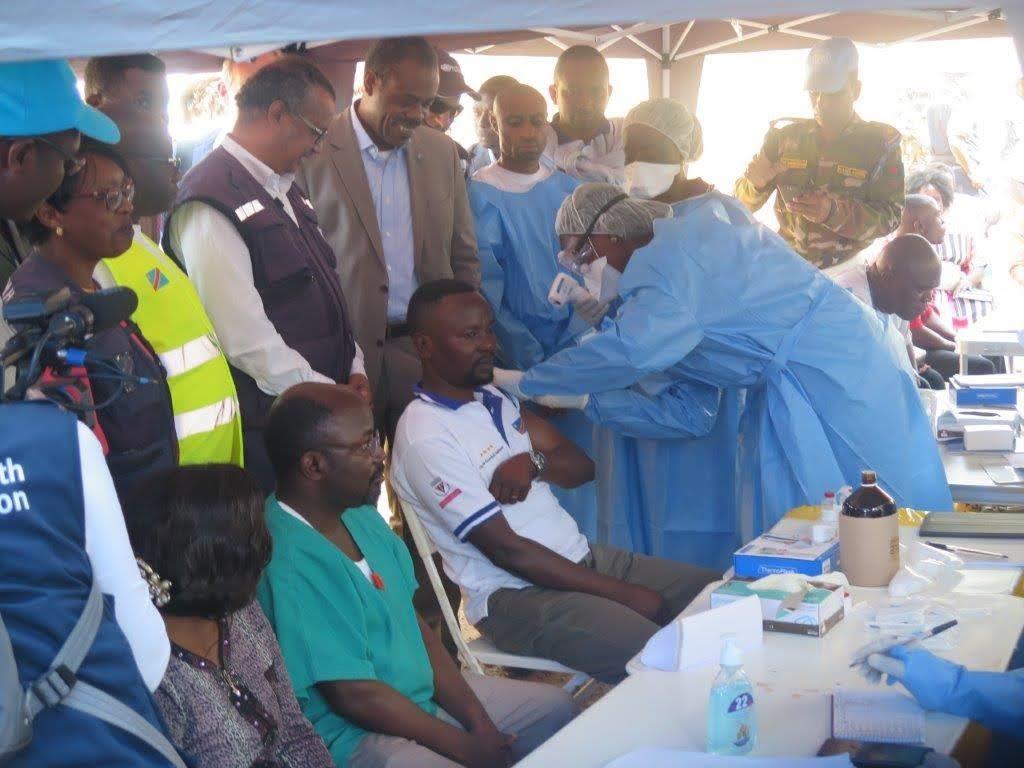
The current vaccine is only administered to health workers and people who may have been exposed to the virus.
Thus, if the DRC government wants to extend vaccination to a wider area, it will need a larger quantity of vaccine.
Those who advocated for the use of the new Johnson & Johnson vaccine had proposed using it to create a protective belt, by vaccinating people outside the epidemic zone.
It is hoped that this will prevent the virus from spreading.
Image copyright Getty Images
Community distrust
The government of the Democratic Republic of Congo has expressed concerns about the complexity of using two vaccines jointly in the response.
It believes there is a risk of creating confusion and increasing distrust within affected communities.
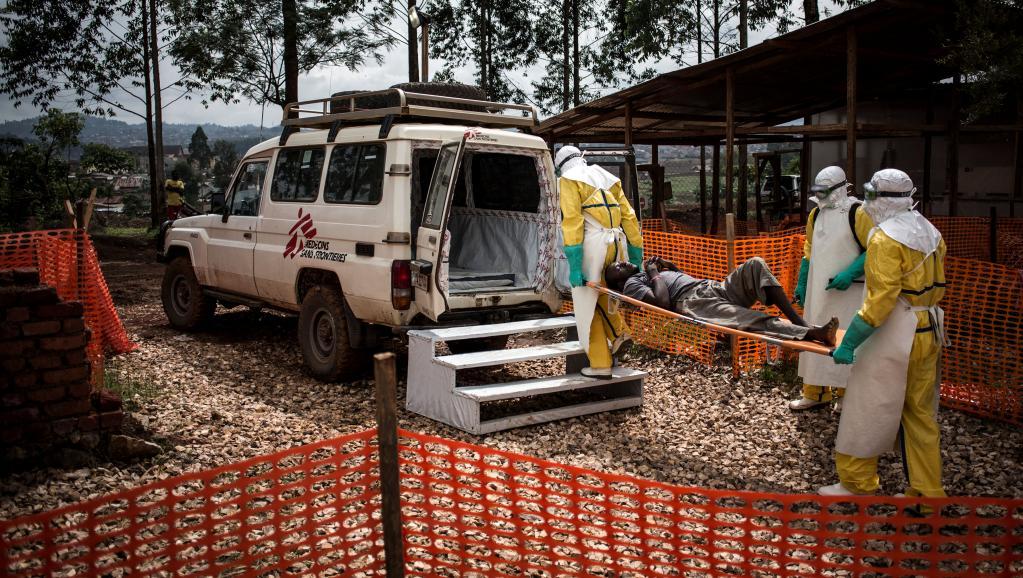
The fight against the current Ebola epidemic has been marked by community distrust of response teams and operations.
There is also concern that the new vaccine — which requires two injections 56 days apart — will be difficult to administer in a region where the population is highly mobile and insecurity prevails.
Discussion
- No comments yet. Be the first.
Africa in your inbox, every morning
Our editors' picks of what matters. Monday to Friday.
By subscribing, you accept our privacy policy.
Related reading