Article
Préparation de l'article…
Si l'article doit être traduit, cela peut prendre quelques secondes.
Si l'article doit être traduit, cela peut prendre quelques secondes.
L'attaquant sénégalais Ilimane Ndiaye exprime sa fierté de la victoire du Sénégal, au milieu des polémiques entourant la Coupe d'Afrique des Nations.

Dans l'effervescence précédant la Coupe du monde 2026, Ilimane Ndiaye, figure emblématique de l'équipe nationale sénégalaise, a récemment partagé un sentiment de victoire qui transcende les décisions administratives. « Je me sens champion d’Afrique », a-t-il déclaré avec conviction. Cette affirmation, bien que simple en apparence, porte en elle une profondeur émotionnelle et symbolique considérable pour le Sénégal et ses supporters.
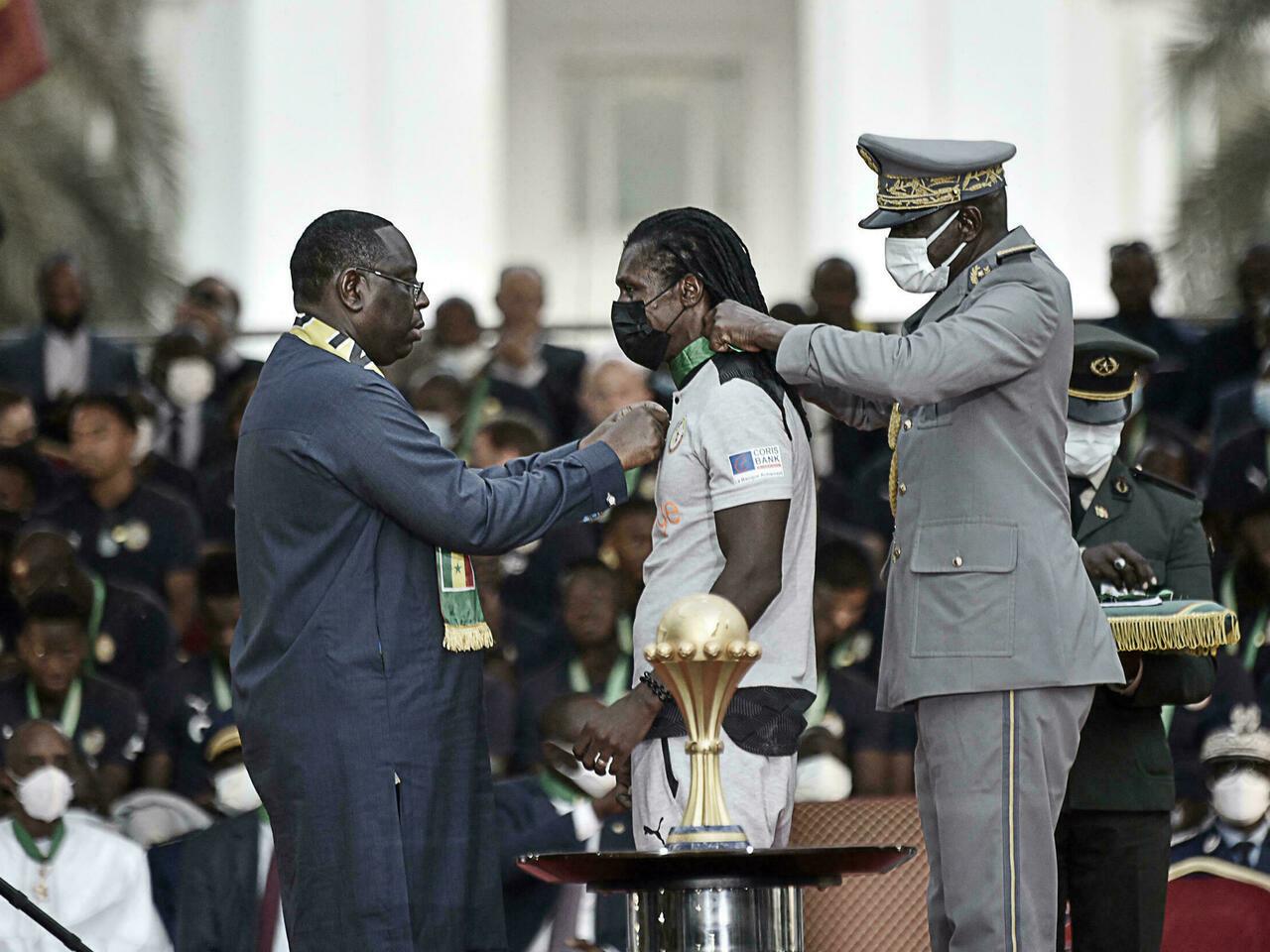
Le triomphe du Sénégal à la Coupe d'Afrique des Nations (CAN) en février dernier a marqué une étape historique pour les Lions de la Téranga. Ce succès a été célébré dans tout le pays avec une ferveur rarement observée. Cependant, il n'a pas échappé aux controverses qui entourent souvent les compétitions sportives internationales.
Les ombres sur la victoireLa polémique est née autour de l'éligibilité de certains joueurs marocains lors de la finale contre le Sénégal. Selon certaines informations non confirmées par les instances officielles à ce jour, trois joueurs marocains auraient enfreint les règles antidopage. Ces allégations ont jeté une ombre sur ce qui aurait dû être un moment de pur bonheur sportif.
La Confédération africaine de football (CAF), chargée de réguler ces compétitions, n'a pas encore statué officiellement sur ces accusations. Le silence prolongé de cette institution laisse planer des incertitudes quant à l'intégrité des résultats finaux. Cependant, selon RFI, les dirigeants marocains ont exprimé leur confiance dans le fait que toute sanction éventuelle ne remettrait pas en cause le titre remporté par le Sénégal.
L'unité nationale face aux défisIlimane Ndiaye n'est pas seulement un joueur talentueux; il est devenu un symbole d'unité et de résilience pour son pays. En affirmant sa fierté nationale et sa confiance dans la victoire obtenue sur le terrain, il invite tous les Sénégalais à se rassembler autour d'une réussite collective au-delà des controverses.
L’importance du sport comme vecteur d’unité nationale est bien connue en Afrique subsaharienne où chaque succès sportif international devient une source majeure de fierté et d'inspiration pour la jeunesse. Au-delà des trophées et médailles, c'est l'esprit national qui s'en trouve renforcé.
L'enjeu du Mondial 2026Alors que l'attention se tourne désormais vers la Coupe du monde 2026 prévue aux États-Unis, au Canada et au Mexique, l'équipe sénégalaise se prépare à relever ce nouveau défi avec détermination. La rencontre très attendue entre le Sénégal et la France au MetLife Stadium dans le New Jersey sera plus qu’un simple match; elle représentera un test crucial pour évaluer leur capacité à s'imposer sur la scène mondiale après leur succès continental.
D'après Jeune Afrique, cette confrontation revêt également une dimension historique compte tenu des liens culturels entre les deux nations anciennement coloniales et colonisées. Pour beaucoup au Sénégal comme ailleurs en Afrique francophone, battre l'équipe française serait synonyme non seulement d'exploit sportif mais aussi symbolique.
L'impact psychologique sur l'équipeSelon plusieurs analystes sportifs cités par BBC Africa, les déclarations confiantes d'Ilimane Ndiaye pourraient avoir un effet galvanisant sur ses co-équipiers avant cette échéance mondiale majeure. En consolidant leur unité interne face aux adversités extérieures telles que celles posées par ces allégations antidopage encore non élucidées ou reconnues officiellement par CAF ou FIFA , ils montrent qu'ils restent concentrés uniquement vers leurs objectifs sportifs immédiats sans distractions inutiles venant perturber leur préparation rigoureuse actuelle menée sous direction technique expérimentée Aliou Cissé depuis plusieurs années déjà maintenant reconnue comme référence continentale voire internationale même parfois selon certains experts internationaux consultés récemment dans divers médias spécialisés étrangers influents tels ESPN notamment .
Notre sélection des informations essentielles. Du lundi au vendredi.
En vous inscrivant, vous acceptez notre politique de confidentialité.